




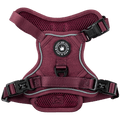
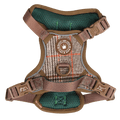
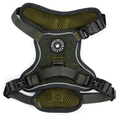
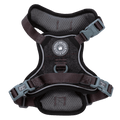
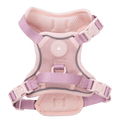
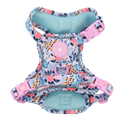
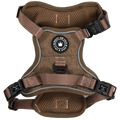
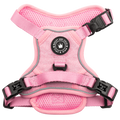




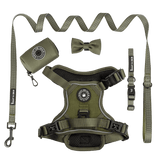




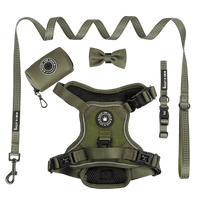

If you’ve ever wished you had a calm, secure way to keep your dog close for a moment, a dog harness with handle is one of those bits of kit you’ll wonder how you lived without. It’s simple, practical, and genuinely useful for everyday UK life, from busy pavements and tight gates to muddy trails, car boots, and training moments when you need a little extra control.
A handle harness is not about being “heavy handed”. It’s about having a safer option than grabbing a collar or yanking a lead. Used properly, the handle gives you a quick, steady way to guide your dog closer and keep everyone comfortable.
In this guide, we’ll explain what a dog harness with handle is, who it’s best for, how to use the handle safely, what fit should look like, and the features that make a handle harness feel brilliant on real walks.
What is a dog harness with handle?
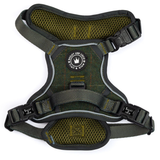
A dog harness with handle is a walking harness with a built-in grab handle on the back. You still use a lead as normal, but the handle gives you an extra way to guide and steady your dog when needed.
Most owners use the handle for short moments, such as:
- Keeping your dog close when passing another dog on a narrow path
- Stepping off the kerb safely at a crossing
- Helping your dog hop into the car boot or down from a step
- Stopping your dog from barging forward to say hello
- Guiding your dog calmly past distractions
The best part is that the handle lets you do all of this without pulling on the neck, and without having to grab around the collar area.

Why choose a dog harness with handle?
Some dogs are naturally easy to walk. Others are enthusiastic, strong, excitable, or easily distracted. Sometimes it’s not even the dog, it’s the situation. Busy areas, tight spaces, unexpected off-lead dogs, or slippery ground can make you wish you had one extra point of control.
A handle harness helps because it gives you:
- More control without more force (you can guide rather than pull)
- Better safety in busy moments (pavements, crossings, crowds)
- Support for lifting and stepping (car boots, stairs, obstacles)
- Gentler handling (no grabbing collars, less neck pressure)
- Confidence on walks (you know you can manage surprises)
If you’re browsing overall harness styles too, you can see the full range here: Dog Harnesses.
When a handle harness is most useful
Here are the real-life situations where a dog harness with handle tends to shine.
1) Busy pavements and narrow paths
There are times when you simply want your dog close. A handle makes it easy to bring them in calmly for a moment, then release again once you’ve passed.
2) Car boots, steps, and “up and down” moments
If your dog hesitates with jumping or gets a bit too confident and launches, the handle gives you a steady way to guide them safely. It’s also useful if your dog is muddy and you want a more controlled lift or assist.
3) Training calmer greetings
Lots of dogs adore other dogs and people. The handle is perfect for “pause and settle” moments. You can keep your dog close, ask for calm, then reward and continue.
4) Dogs that get overexcited or distracted
When the lead becomes a tug-of-war, everything gets harder. A handle gives you a calmer way to steady your dog briefly and reset the walk.
5) Supporting confidence and mobility
For dogs that are nervous on stairs, unsure on slippery ground, or a bit wobbly after a long hike, a handle can give gentle support without forcing them.

Harness with handle vs standard harness vs collar
If you’re deciding what’s best, here’s a simple comparison.
| Option | Best for | Things to know |
|---|---|---|
| Collar | ID tags, calm lead walkers | Not ideal for regular pulling or sudden lunging |
| Standard harness | Everyday comfort and control | Great for walking, but no quick “grab point” |
| Harness with handle | Busy moments, training, travel, extra safety | Handle gives calm, close control when needed |
| No pull harness | Dogs that pull on the lead | Best when paired with simple loose-lead training |
If your main issue is pulling (rather than those “busy moment” situations), you’ll likely prefer a no pull style. You can browse here: No Pull Dog Harnesses, and our full guide is here: No Pull Dog Harness UK.
How to use a dog harness handle safely
The handle is a brilliant tool when it’s used in the right way. Think of it as a short, steady guide rather than a way to drag your dog around.
Use the handle for short moments
Bring your dog close, pause, then release. It’s perfect for quick control, not for long-distance walking.
Keep your movement calm and steady
A handle is most effective when you’re smooth. If you need to stop quickly, do it gently and pair it with a calm voice and a reward.
Avoid sudden lifting or yanking
For most everyday situations, the handle is about guiding and steadying. If you do need to help your dog up and over something, keep it gentle and always support appropriately for your dog’s size and the situation.
Use the handle alongside the lead
Many owners find the best setup is: lead as normal, handle for the “just for a second” moments. You get the best of both worlds.
How to choose the best dog harness with handle
Here’s what to look for so the harness feels comfortable for your dog and easy for you.
1) A comfortable fit that stays centred
A harness should sit snugly, stay centred on the body, and avoid rubbing behind the legs. A loose harness slides around and can become uncomfortable.
2) Comfortable chest support
The chest area should sit flat and feel supportive. You want pressure spread across the chest rather than concentrating on one spot.
3) Plenty of adjustability
Dogs come in all shapes. Adjustability helps you dial in a secure fit, especially if your dog has a deep chest, a narrow waist, or sits between sizes.
4) A handle you can grab quickly
It should feel natural to reach, easy to grip, and positioned so you can guide your dog without awkward twisting.
5) Materials that suit real walks
British weather happens. A harness that’s comfortable, breathable, and practical for muddy adventures makes life easier.

Fit guide: getting the harness comfortable and secure
Fit is the difference between “we love it” and “it rubs and slips”. The good news is that getting fit right is straightforward once you know what to check.
Measure before you choose
If you haven’t measured your dog yet, it’s worth doing. A quick chest and neck measurement saves a lot of hassle. Follow this guide: How to Measure a Dog for a Harness.
Use the two-finger check
In most areas, you should be able to fit two fingers under the straps. Too tight can rub. Too loose can slip and slide.
Keep straps away from the armpits
Rubbing usually happens when straps sit too far back or the harness is too loose. Adjust until the straps sit comfortably and your dog can move freely.
Re-check after the first few walks
Straps can settle slightly once the harness has been worn a few times. A quick check after the first few outings helps keep everything spot on.
If you’d like a step-by-step “put it on without the drama” walkthrough, read: How to Put a Harness on a Dog.
When a handle harness is especially helpful by dog type
Every dog is different, but these are the types of dogs where owners often say the handle becomes their favourite feature.
Excitable greeters
Dogs who adore people or other dogs can go from calm to bouncing in a second. The handle helps you guide them close, pause, and reward calm behaviour without pulling on the lead.
Strong dogs in busy places
If your dog is powerful, busy areas can feel stressful. A handle gives you quick control in tight moments, especially on pavements and narrow paths.
Dogs that need gentle support
Some dogs benefit from a little help with steps, slippery ground, or awkward obstacles. The handle is a practical way to steady them without fuss.
Puppies learning the basics
Puppies can be wiggly and unpredictable. A harness is often more comfortable than a collar for early training, and the handle gives you an extra way to guide them close if they suddenly dart.
Everyday walk tips that make a handle harness even better
A harness with handle is one part of calmer walks. These simple habits make it feel even better.
- Reward calm moments: if your dog stays close or checks in, praise and reward
- Practise “pause”: stop for two seconds, hold the handle gently, then release and walk on
- Keep the lead loose when you can: calm walking is easier when the lead is not constantly tight
- Use the handle before the excitement peaks: guide your dog close early rather than waiting until they are already lunging
- Stay steady: the calmer you are, the faster your dog learns
If pulling is part of your day-to-day, pair these habits with a no pull option: No Pull Dog Harnesses.

Choosing between a handle harness and a no pull harness
This is a common question, and the answer depends on your main goal.
If your main goal is “I need my dog close sometimes”
Choose a dog harness with handle. It’s perfect for busy pavements, training moments, travel, and quick safety control.
If your main goal is “my dog pulls a lot on most walks”
Choose a no pull harness (often with a front clip option). You can shop here: No Pull Dog Harnesses, and read the full guide here: No Pull Dog Harness UK.
If your goal is “both”
Many owners want both: a handle for the “close control” moments, and a no pull setup for training. It depends on your dog and your routine.
Dog harness with handle FAQs
Is a dog harness with handle good for large dogs?
Yes. A handle is especially useful for bigger dogs because it gives you a steady way to guide them close in busy moments, without yanking on the lead.
Can I lift my dog using the handle?
The handle is designed for guidance and steady control. If you need to help your dog up or over something, keep it gentle and support your dog safely for their size and the situation.
Will a handle harness stop pulling?
A handle helps you keep your dog close in key moments. If pulling is the main issue on most walks, a no pull harness is usually the better choice.
How should a dog harness with handle fit?
It should be snug, centred, and comfortable, without rubbing behind the legs. Straps should allow full shoulder movement and sit evenly on both sides.
Where can I shop dog harnesses with handle?
You can browse our collection here: Dog Harness with Handle.

Ready to choose one?
If you want extra control for real-life walks, training moments, and those “just for a second” situations, a dog harness with handle is a brilliant upgrade. Comfort and fit come first, then the handle becomes the feature you reach for without thinking.


