




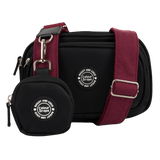
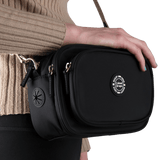
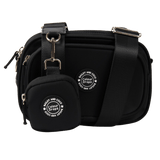
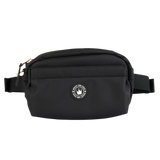
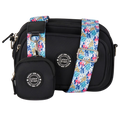
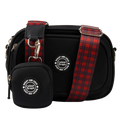
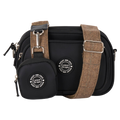
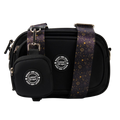
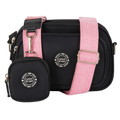







Do you need a dog walking bag? If your pockets are full, your hands are busy, and your dog picks the worst possible moment to pull, then yes, a dog walking bag is one of those “I cannot believe I waited this long” upgrades.
A purpose-built dog walking bag is not just a cute accessory. It is a hands-free system for carrying treats, poo bags, wipes, keys, phone, a small water bowl, and the little extras that make walks smoother. It helps you stay organised, train better, and feel calmer, especially on busy pavements, in muddy parks, and on winter walks when you are already layered up.

Do I need a dog walking bag?
Here is the honest answer: you do not need a dog walking bag in the way you need a lead. But if you walk your dog more than a couple of times a week, it becomes one of the most useful quality-of-life improvements you can make.
You probably need a dog walking bag if any of these sound familiar:
- You forget poo bags, or you run out mid-walk.
- You keep stuffing treats into coat pockets, then they melt, crumble, or leave a smell.
- You carry your phone in your hand because your pockets are full.
- You use a normal handbag, then spend the walk rummaging for the one thing you need.
- You want to reward good behaviour quickly, but your treats are buried.
- You are tired of carrying a lead, coffee, keys, and a dog toy like you have eight hands.
A dedicated dog walking bag makes all the essentials easy to reach, which changes how your walk feels. Instead of “manage the chaos”, it becomes “enjoy the walk”. That shift matters for training, safety, and your daily mood.
What is a dog walking bag, exactly?
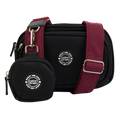
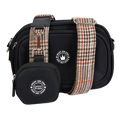
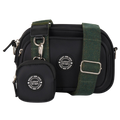
A dog walking bag is designed around the way dog owners actually move. It is typically worn cross body or around the waist, and it includes compartments that make sense for dog walking: quick-access pockets, space for a phone, a secure area for valuables, and room for the items you reach for repeatedly.
Unlike a normal handbag, a dog walking bag is built for:
- Hands-free control so you can hold a lead, redirect gently, or practise loose lead walking.
- Fast access to treats and poo bags, which matters when timing is everything.
- Weather reality because UK walks involve drizzle, mud, and wet dog moments.
- Repeatability because you want the same setup every time, not a different bag every walk.
Why a dog walking bag makes training easier
Training is not about doing something fancy. It is about doing the simple things consistently. The biggest reason people struggle with lead manners is not knowledge, it is logistics. You cannot reward quickly if your treats are buried. You cannot stay calm if you are flustered. You cannot focus on your dog if you are constantly searching for poo bags.
A dog walking bag helps training because it supports:
- Better timing (treats are accessible the second you need them).
- More consistency (you are not skipping rewards because it is inconvenient).
- Calmer handling (less fumbling equals more confident body language).

What questions should you ask before buying a dog walking bag?
Most people search “best dog walking bag” because they want something that lasts, looks good, and actually works. Use these questions as your quick filter:
- How do I like to walk? Park loops, town strolls, countryside hikes, quick toilet trips, or all of the above?
- Do I want cross body or bum bag style? Cross body is flexible and easy; bum bag is great for minimalists and fast access.
- What do I carry every time? Phone, keys, treats, poo bags, wipes, and maybe a small water bowl.
- Do I want modular extras? Clip-on items like a tennis ball holder, collapsible bowl, or poo pocket can be a game-changer.
- Will it survive UK weather? Look for practical materials and wipe-clean surfaces.
Why matching sets make walks feel better
This might sound like a “nice to have”, but it matters. When your walking kit is cohesive, you feel more put together and you are more likely to actually use it. That is why so many dog owners love building a matching setup: harness, lead, and bag that work together and look good.

In Part 2, we will break down the different styles of dog walking bags, which one suits your lifestyle, and the exact features that separate a “pretty bag” from a genuinely brilliant one.
Dog walking bag vs normal handbag
A normal handbag is designed for errands, not for dog chaos. It usually fails in three ways: access, organisation, and durability. Dog walking bags are built around the moments that actually happen on a walk: your dog suddenly spots a squirrel, you need a treat immediately, you need a poo bag immediately, and you still need to keep your phone and keys safe.
Here is the real difference:
- Dog walking bag: quick-access pockets, compartments that make sense, worn hands-free, practical materials.
- Handbag: one main compartment, slower access, often awkward to carry while managing a lead.
Cross body dog walking bag vs dog walking bum bag
Two formats dominate UK searches in 2026: the cross body dog walking bag and the dog walking bum bag. Both can be excellent. The best choice depends on how you like to move and what you carry.
Cross body dog walking bag
A cross body bag is ideal if you want:
- Room for a phone, keys, poo bags, treats, wipes, and extras.
- A bag that sits comfortably over layers and coats.
- Easy access while walking, training, or travelling.
- A stylish look that does not scream “dog bag”.

Dog walking bum bag
A bum bag is brilliant if you want:
- Minimal, lightweight carry for quick walks.
- Fast access to treats and poo bags without swinging a bag forward.
- A secure fit close to the body for running, hiking, or busy city walks.

What features make the best dog walking bag in the UK?
If you want the best dog walking bag UK shoppers actually love, focus on these features. They are the difference between “I used it twice” and “I use it every day”.
1) Compartments that match real life
The best bags make it obvious where everything goes. You should not have to dig. Look for separation between treats, poo bags, and personal items.
2) A strap that feels good
If a strap digs in, you stop wearing the bag. Adjustable straps matter, especially if you wear thick coats in winter or lighter layers in summer.

3) Clip-on modular extras
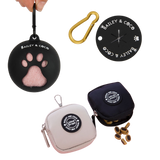
Accessories are not just cute, they solve specific problems. If you love ball throwing, clip a tennis ball holder on. If you hate carrying used poo bags, a dedicated poo pocket changes everything. If you do longer walks, a collapsible bowl clipped to your bag is simple and smart.
Common question: “What should I carry on every dog walk?”
Even if you walk the same route daily, the essentials are pretty consistent. Use this as your baseline packing list:
- Poo bags (plus a spare roll).
- Treats in a separate compartment so they stay clean and easy to reach.
- Phone for safety, photos, and tracking time.
- Keys and a small card holder or ID.
- Wipes for muddy paws or messy moments.
- Optional: collapsible water bowl, small water bottle, toy, tennis ball.
In Part 3, we will go deeper: exactly what to pack for different types of walks, how to build a “walk kit” that is always ready, and how to stay clean and stress-free even on muddy UK days.
What to put in a dog walking bag for UK walks
When people ask “Do I need a dog walking bag?”, what they really mean is “Do I need to carry all this stuff?” The answer is: you already carry it, you just carry it badly. The best dog walking bags help you create a simple system so your walk kit is always ready.
The five-minute “grab and go” walk kit
If you want to be organised without overthinking it, build a basic kit that stays in your bag:
- A roll of poo bags (plus a spare).
- A small pack of wipes.
- A few treats in a treat-safe pocket or pouch.
- A spare lead clip or small carabiner (surprisingly useful).
- A tiny hand sanitiser.
Then, each walk you add just two things: your phone and your keys. That is it.
How to handle used poo bags without ruining your walk
Let us talk about the least glamorous part of dog ownership, because it is exactly where a dog walking bag earns its keep.
The biggest frustration is not picking up. It is carrying it. People do awkward loops, double bag, tie knots, or carry it in their hand while trying to hold a lead and keep their dog away from other dogs.
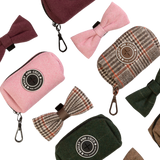
A dedicated poo pocket solves this problem. It keeps used poo bags separate from the rest of your essentials and makes the walk feel normal again.

Compostable poo bags for everyday use
Good poo bags matter more than people think. Cheap bags split. Thin bags are stressful. A reliable roll makes the whole experience quicker and cleaner.

Do I need a dog walking bag for short walks?
Yes, and short walks are often where it matters most. Quick toilet trips are where people forget poo bags, skip treats, and end up holding everything in their hands. A small, ready-to-go kit saves time and keeps you consistent.
If you tend to do lots of short walks, consider keeping your essentials permanently packed and using either a compact cross body setup or a bum bag style. The goal is speed and simplicity.
Do I need a dog walking bag for long walks?
Long walks add two needs: hydration and convenience. A longer walk is where your dog is more likely to want a drink, you are more likely to stop for coffee, and you are more likely to want your hands free while navigating gates, phones, photos, and muddy terrain.
If you do longer walks, add:
- A collapsible water bowl.
- A small water bottle.
- A slightly larger treat supply.
- A small towel or cloth for wet paws if you drive home.

“Where do I put a tennis ball while walking?”
This is a surprisingly common question, especially for dogs who live for fetch. Holding a slobbery ball is not fun, and stuffing it into your pocket is worse.
A clip-on tennis ball holder keeps your hands free and your bag clean. It also means you can reward with play quickly without digging around.

How a dog walking bag helps with lead manners
Loose lead walking is mostly about consistency. Rewarding the behaviour you want in real time is the fastest way to teach it. When your treats are accessible and your hands are not overloaded, you can reinforce calm walking more often.
If you are working on pulling, remember this simple principle: the goal is not just to stop pulling. The goal is to teach your dog what to do instead. That usually means rewarding your dog for checking in, walking near you, and choosing calm behaviour around distractions.
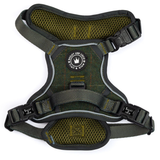
For deeper guidance on harness fit and control, explore the Bailey & Coco Dog Harness collection when you are ready to build a full walking setup.
In Part 4, we will go full buyer-ready: how to choose the right style for you, what makes a bag “worth it”, and the best way to build a set that looks premium and performs brilliantly in real UK walking life.
How to choose the best dog walking bag for your lifestyle
If you are ready to buy, this is the section that makes the decision simple. You do not need the most complicated bag. You need the bag that matches the way you actually walk.
If you do everyday town walks
Choose a cross body dog walking bag with compartments that keep your phone, keys, and treats separate. You want quick access and a comfortable strap. Town walks also benefit from a tidy setup because you are often passing people, cafés, and other dogs.

If you do muddy park walks and countryside trails
Prioritise practical materials and easy clean surfaces. For countryside walks, you will appreciate clip-on accessories, spare poo bags, and a collapsible bowl. Comfort matters too because you are likely wearing it for longer.
If you do training sessions and want speed
Consider a dog walking bum bag for the lightest, quickest setup. Training is all about timing and repetition. A bag that stays stable and keeps treats accessible helps you keep sessions smooth.
Is a dog walking bag worth it?
It is worth it if it makes walks easier enough that you actually use it. For most dog owners, the value comes from:
- Less stress because everything has a place.
- Better training because treats are accessible.
- Cleaner walks because used poo bags can be separated.
- More enjoyable routines because you are not juggling.
It is also worth it if it helps you be consistent. A “walk kit” means you do not skip essentials, and your dog benefits from calmer, more predictable handling.
What makes Bailey & Coco dog walking bags different?
We design dog walking bags to feel premium, look stylish, and function like your best daily companion. That means practical storage, comfortable wear, and the option to build a full walking set that feels cohesive.
In 2026, dog owners are not choosing between “practical” and “beautiful”. You deserve both. That is exactly what our bags are designed to deliver.
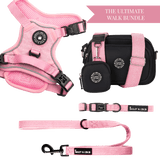
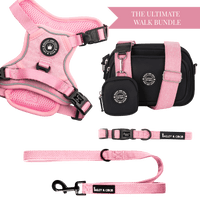
Build a matching walking bundle for a calmer routine
If you love the feeling of a complete set, a matching bundle makes daily walks effortless. Many owners like pairing their dog walking bag with a harness, lead, and accessories that feel intentional and easy to use.


Quick answers: the top dog walking bag questions
Do I need a dog walking bag if I already have a treat pouch?
A treat pouch solves one part of the problem. A dog walking bag solves the full walk. It keeps treats, poo bags, personal items, and clip-on accessories together in one system.
Is a dog walking bag good for puppies?
Yes. Puppies need frequent rewards, frequent toilet breaks, and a calmer handler. A ready-to-go bag helps you stay consistent and makes training feel easier.
Is a dog walking bag good for big dogs?
Absolutely. Bigger dogs often mean stronger pulling, more training, and more “I need my hands free” moments. A stable hands-free setup helps.
Do I need a dog walking bag with a water bottle holder?
If you do long walks, warm-weather walks, or you have a dog that drinks often, a bowl plus a small bottle can be a smart addition. Many people prefer a clipped bowl plus a compact bottle rather than a fixed bulky holder.
How much should a dog walking bag hold?
Enough for your essentials without feeling heavy: poo bags, treats, wipes, phone, keys, and one or two extras. The best dog walking bag feels easy, not overloaded.
Final thought
If you have ever thought, “Why is a simple walk such a mission?”, a dog walking bag is made for you. It turns your walking essentials into a system, and it makes training, cleanliness, and everyday enjoyment so much easier.


