




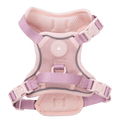
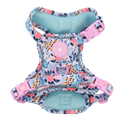
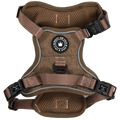
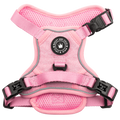








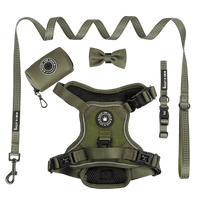

Why Your Puppy’s First Harness Matters
Your puppy’s first harness supports their early confidence, protects growing joints, and helps create safe walking habits. A good harness reduces neck pressure, prevents rubbing, and keeps your puppy secure during their first experiences outside.
Many new puppy parents choose harnesses based on looks alone. Puppies need soft materials, light padding, and adjustable straps that can change as they grow. With the right size and design, your puppy can walk comfortably from day one.
This guide gives you clear, practical advice for choosing a Bailey and Coco harness that fits well and supports your puppy throughout their first year.
Understanding Puppy Growth Stages from 0 to 12 Months
Puppies grow quickly during their first year, which means their harness must adapt at each stage. Below is a simple overview to help you understand what your puppy needs at different ages.
0 to 12 Weeks
Choose soft and lightweight designs that protect delicate skin. Breathable mesh and flexible straps make early walks comfortable and gentle.
3 to 6 Months
This is the fastest growth phase. Regular strap adjustments are normal and many puppies begin pulling with excitement. A front clip option can help guide them during early training. If your puppy is starting to pull on the lead, our no pull dog harness guide explains how front and dual-clip designs gently reduce pulling without discomfort.
6 to 12 Months
Your puppy becomes stronger and more confident. Breathable materials help prevent overheating and reflective trim keeps them visible during darker walks.

Why Bailey and Coco Harnesses Are Ideal for Puppies
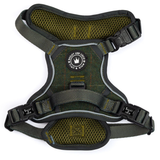
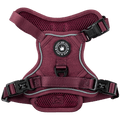
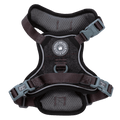
Bailey and Coco harnesses include features that support healthy movement and everyday comfort for growing dogs.
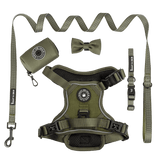
- Four point adjustability for regular growth changes
- Soft padded mesh that protects delicate puppy skin
- Dual D-rings for standard walks and early no pull support
- Lockable buckles for added security
- Lightweight design suitable for small and developing bodies
- Reflective trim for early morning or evening visibility
- Escape resistant Y-shape that supports natural shoulder movement
You can explore the full range of puppy friendly harnesses here: Bailey and Coco Dog Harness Collection.
Puppy Harness Size Guide by Age and Breed Type

Below is a simple guide to help you choose a starting size. Every puppy grows differently, so always measure your puppy with a soft tape and check the size guide above before choosing a size.
- Toy breeds such as Chihuahuas usually begin in size XXS and may stay there for several months, moving into XS as the chest fills out.
- Small breeds such as Dachshunds and Cavapoos usually begin in XXS, XS or S depending on their chest shape. Measure rather than assume.
- Medium breeds such as Cockapoos and Cocker Spaniels often start in S and move into M as they grow.
- Large breeds such as Labradors and Golden Retrievers often start in S or M and move into L once their chest develops.
The Four Point Fit Test for Puppies
Use this simple checklist to confirm a comfortable and secure fit.
- You can slide two fingers under each strap
- Your puppy can move its shoulders freely
- The chest panel sits below the throat
- The front D-ring is easy to access for training if needed
In Part 2, we explore the best harness styles for different breeds, why body shape affects fit, and the most common puppy harness mistakes to avoid in 2026.

The Best Puppy Harness Styles for Different Dogs
Now that you understand how quickly puppies grow and how to choose a starting size, the next step is choosing the right harness style. The ideal puppy harness should protect the neck, support natural movement, and feel soft and secure against growing bodies.
Y Shape Harness for Everyday Comfort
A Y shape harness is the style most trainers and vets recommend for puppies. It sits below the throat so it avoids pressure on the neck, and it allows the shoulders to move freely. Bailey and Coco harnesses use a Y shape design that works well across many breeds including Dachshunds, Cavapoos, Cockapoos, and Labradors.
Front Clip Harness for Early Pulling
Many puppies begin to pull out of excitement rather than stubborn behaviour. If pulling is becoming a daily challenge, our no pull dog harness UK guide breaks down which harness styles work best for training growing puppies. A front clip option can gently guide them back towards you and encourage loose lead walking. Front clips are especially helpful for stronger puppies such as Staffies, Dalmatians, and Beagles. For a deeper look at these breeds, you can visit:
Back Clip Harness for Calm Walks
A back clip harness is perfect for relaxed puppies or for short, gentle walks while they are still learning. Many owners start with the back clip and then introduce the front clip as their puppy grows stronger or more confident outdoors.
Harness Styles to Avoid for Puppies
Step in harnesses that sit too low across the shoulders or designs that tighten around the neck are not ideal for growing puppies. Styles that restrict the front legs or press across the throat can affect movement and comfort. A soft Y shape with adjustable straps is a safer and kinder choice during the first year.

How Body Shape Affects Puppy Harness Fit
Different puppy breeds have very different body shapes. The same harness size can fit completely differently on a Pug, a Dachshund, or a Golden Retriever. Understanding body shape will help you get a better fit and choose the right adjustment points.
Long Backed Puppies such as Dachshunds
Dachshund puppies have long backs, deep chests, and short legs. They need a harness that spreads pressure across the chest rather than the neck, and that does not cut into the front legs. The Y shape design used in Bailey and Coco harnesses is ideal for this. For detailed Dachshund advice, you can explore:
Broad Chested Puppies such as Pugs and Bulldogs
Pugs and English Bulldogs have wide chests and shorter necks. Their harness needs a generous chest panel and straps that sit well below the throat. A good fit should not press into the lower neck or cause creases in the skin. You can find more guidance here:

Fluffy and Feathered Coats such as Cavapoos, Cockapoos and Cocker Spaniels
Fluffy coats can hide the true fit of a harness. With Cavapoos, Cockapoos, Shih Tzus, and Cocker Spaniels, it is important to part the fur and feel along the straps to make sure they are not too tight. Look for soft padding and smooth edges. These guides will help:

Large Breed Puppies such as Labradors and Golden Retrievers
Labrador and Golden Retriever puppies grow quickly and gain strength fast. They need a harness that keeps up with growth and offers strong hardware for safety. A Y shape harness with both front and back clips is ideal. For large breed guidance, take a look at:
Common Puppy Harness Mistakes and How to Avoid Them
Even with a good harness, small mistakes can cause discomfort. Here are some of the most common issues and how to fix them.
- Straps too loose If the harness can slip over your puppy’s head or rotate around the body, it is too loose. Tighten the straps until you can slide two fingers under each one and the harness stays in place during movement.
- Straps too tight If you cannot slide two fingers under a strap or you notice flattened fur and red marks, loosen the harness slightly. Check again after a short walk, as puppies move a lot.
- Chest panel too high A harness that sits across the throat can cause discomfort, coughing, or resistance. The front should sit across the chest, not the neck.
- No checks after growth spurts Puppies can change size in just a few weeks. Make it a habit to measure your puppy regularly and revisit the size guide image from Part 1 whenever your puppy feels snug in their harness.
If you want a deeper overview of different harness styles across all life stages, you can also read the Dog Harness Buying Guide UK 2026.
In Part 3, we will focus on how to introduce a harness to your puppy step by step, how to build positive associations, and how to use the front and back clips during early lead training.

How to Introduce a Harness to Your Puppy Step by Step
Even the best harness can feel strange to a young puppy at first. The goal is to build a calm, positive routine so your puppy learns that the harness means good things such as treats, praise, and fun walks. The steps below work for all breeds from tiny Cavapoos and Dachshunds to larger Labradors and Golden Retrievers.
Step 1: Let Your Puppy Explore the Harness
Before you put the harness on, place it on the floor and let your puppy sniff and inspect it. You can gently move it around, reward with a treat when your puppy chooses to approach it, and keep your voice soft and reassuring. This helps your puppy see the harness as something safe and familiar rather than a surprise.
Step 2: Reward Calm Touch Around the Body
Next, hold the harness in your hand and lightly touch it against your puppy’s chest or side while giving praise and a small treat. Keep sessions short and positive. If your puppy moves away, that is fine. Give them a moment and try again more gently. Many puppies relax quickly when you pair harness contact with rewards and a calm tone.
Step 3: Put the Harness On Indoors First
When your puppy is comfortable with gentle contact, it is time to put the harness on indoors. Slip the neck section over the head or wrap the harness around the body depending on the design, and then gently secure the buckles. Keep the straps a little looser than final fit to start with, then adjust using the two finger rule once your puppy has relaxed.
The first few times, let your puppy wear the harness indoors for a short period while doing something enjoyable such as playing with a toy or receiving gentle fuss. This makes the harness part of a happy routine instead of something that only appears right before a big new adventure.
Step 4: Attach the Lead Indoors
Once your puppy wears the harness comfortably indoors, clip the lead to the back D-ring and let them move around the room under your supervision. You can drop the lead so it trails or hold it loosely and follow behind while giving calm praise. The aim is to help your puppy feel the movement of the lead with as little pressure as possible.
If you are using the Bailey and Coco lead range, the soft handle and hardware will feel gentle in your hands and steady for your puppy. You can explore options here: Bailey and Coco Dog Leads.
Step 5: First Short Walks in a Quiet Area
Once your puppy is relaxed with the harness and lead indoors, it is time to step outside for short and quiet walks. Choose a low distraction area such as your garden or a calm side street rather than a busy park. Keep early walks short and enjoyable. Praise often, keep the lead loose where possible, and allow your puppy to explore at their own pace.
Using Front and Back Clips for Training
Bailey and Coco harnesses include both a front and back D-ring. Each clip position helps in a slightly different way and can be used together during early training.
Back Clip for Confidence
The back clip is ideal for relaxed walks and early confidence building. It is simple to use and usually feels the most natural for new puppy owners. Most puppies can start with the back clip, especially in quiet areas, and move to a combination of front and back when they begin to pull or become more excited.
Front Clip for Gentle Redirection
A front clip is useful once your puppy starts to lean into the lead. When they pull ahead, the front attachment gently turns them back towards you which helps them learn that walking near your side is more rewarding. This works especially well for energetic breeds such as Staffies, Dalmatians, and Beagles.

Using Both Clips Together
For stronger puppies or those that already show pulling, you can use a double ended lead with one clip on the front and one on the back. This gives you smooth control without harsh pressure. The back attachment supports forward movement while the front attachment redirects gently when needed.
How Often to Check Fit and Adjust the Harness
Puppies can change shape in just a few weeks, so it is important to reuse the four point fit test regularly. As a reminder, check that:
- You can slide two fingers under each strap
- The harness does not twist or slide around the body while your puppy moves
- The chest panel sits low enough to avoid the throat
- Your puppy can sit, stand, and lie down comfortably without any straps digging in
If your puppy has had a growth spurt, revisit the size guide image from Part 1 and adjust the straps or consider the next size up. It is better to move up a size a little earlier than to let straps become tight against growing bones and muscles.
Troubleshooting Common Harness Reactions
Some puppies take to their harness immediately. Others show small worries or habits that can be eased with simple adjustments.
-
Puppy freezes when the harness goes on
Go back a step and pair the harness with treats and praise while it is off the body. Practice very short harness sessions indoors with play in between. -
Puppy scratches or chews at the straps
Check for rubbing around the armpits and make sure the straps are not too tight. Keep early sessions short and distracting with toys or training games. -
Puppy pulls constantly on walks
Switch to the front clip and reward your puppy every time they walk by your side. For a full explanation of how no pull harnesses work and when to use front versus back clips, read our no pull dog harness training guide. Keep sessions short and focused, especially in busy environments. -
Puppy backs out of the harness
This usually means the neck or chest adjustments are too loose. Recheck the size guide and fit test, then tighten carefully so that the harness cannot slip over the head.
In Part 4, we will look at long term puppy harness care, when to move from a puppy harness into an adult fit, and how to choose sets and styles that suit your dog’s lifestyle throughout each season.

Best Puppy Harness by Breed
Breed changes the fit more than age does. A Dachshund puppy needs length and a low-set chest strap, a Labrador puppy outgrows two sizes in six months, and a French Bulldog puppy needs the pressure kept clear of a narrow airway. These guides cover sizing and fit breed by breed.
- Dachshund puppy — our strongest puppy guide. Read the best Dachshund puppy harness UK guide.
- Cocker Spaniel puppy — feathered coats hide a loose fit. See the Cocker Spaniel harness guide.
- Labrador puppy — plan for fast growth and check the fit monthly. See the Labrador harness guide.
- Cavapoo puppy — see the Cavapoo harness guide.
- Cockapoo puppy — see the Cockapoo harness guide.
- Golden Retriever puppy — see the Golden Retriever harness guide.
- Staffordshire Bull Terrier puppy — see the Staffy harness guide.
- French Bulldog puppy — see the French Bulldog harness guide.
- Chihuahua puppy — see the Chihuahua harness guide.
- Yorkshire Terrier puppy — see the Yorkshire Terrier harness guide.
Need the exact measurements rather than a breed shortlist? Our puppy harness size guide gives neck and chest ranges by breed and age. Curious what is in our own range? See the Trail & Glow puppy harness.
How to Care for Your Puppy’s Harness and Keep It Looking New
A good harness should last throughout your puppy’s first stages of growth when looked after correctly. Cleaning and maintaining your Bailey and Coco harness helps it stay soft, comfortable, and reliable. Puppies can get muddy, roll around, and pick up all sorts of smells during walks, so quick and gentle care goes a long way.
Regular Cleaning
Most puppy harnesses benefit from light cleaning after muddy walks or outdoor play. Here is an easy maintenance routine that works for all Bailey and Coco harness materials.
- Rinse the harness under warm water to remove dirt and mud
- Use a mild dog safe detergent or gentle soap on any stubborn areas
- Rinse thoroughly to remove all soap residue
- Air dry naturally away from direct heat sources
Avoid putting the harness in the tumble dryer or exposing it to strong heat. This protects the padding and hardware so it stays secure and supportive.
Check the Fit During Growth Spurts
Puppies can grow very quickly and harnesses that once fit perfectly may begin to feel snug. Make it a habit to check the straps every one to two weeks with the two finger rule. If your puppy feels restricted during movement or the harness shifts out of place, revisit the size guide from Part 1 and consider upsizing.
Look for Signs of Wear
Active puppies can sometimes chew the straps or rub the harness against rough surfaces. Check the stitching, buckles, and D-rings regularly. Bailey and Coco harnesses are built to be durable, but early checks ensure you spot small signs of wear before they affect comfort.
When to Move from a Puppy Harness to an Adult Fit
Most puppies transition from a puppy focused fit into an adult size between six and twelve months depending on breed. Here are helpful signs that it may be time to move up.
- Your puppy has filled out in the chest and shoulders
- The straps reach their maximum adjustment
- The harness feels snug even after loosening safely
- Your puppy is now walking confidently on regular outdoor routes
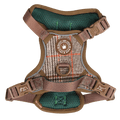
If your puppy has reached these milestones, you can explore adult harness styles in the Bailey and Coco range. Many owners choose matching tweed or waterproof sets at this stage for everyday walks and seasonal adventures. You can explore the full collection here: Bailey and Coco Dog Harnesses.

Choosing the Right Harness Set for Your Puppy’s Lifestyle
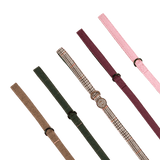
Puppies explore the world through every season, so choosing the right harness set helps support them during different adventures. The Bailey and Coco range includes soft mesh designs, waterproof sets, and luxury tweed options so you can choose what works best for your lifestyle.
Waterproof Harness Sets for Rainy Walks
Rainy days are part of life for UK puppies. A waterproof harness set keeps your puppy comfortable and dries quickly after puddle play. Waterproof styles pair well with the matching waterproof lead range which is soft to hold and easy to clean.
Tweed and Heritage Styles for Everyday Comfort
Tweed harnesses give a cosy feel that is perfect for cooler months. They are soft, stylish, and easy to adjust which makes them a lovely option for puppies who enjoy gentle strolls, town walks, or visits to dog friendly cafes.
Soft Mesh for Training and Active Puppies
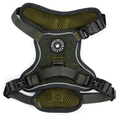
Soft mesh harnesses are ideal for energetic puppies who love active play and regular outdoor adventures. They are lightweight, breathable, and comfortable during longer training sessions.
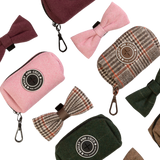
Matching Leads and Accessories
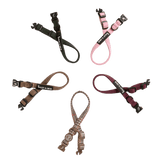
A good harness is even better with a lead that feels comfortable in your hand. Bailey and Coco leads are designed to match seamlessly with your harness choices. You can explore the full lead collection here: Bailey and Coco Dog Leads.
Celebrating Your Puppy’s First Year
Your puppy’s first year is filled with new experiences and special memories. Choosing the right harness helps them feel confident and supported during every walk, whether it is a first trip outside, a rainy day adventure, or a quiet weekend stroll. With gentle training, regular fit checks, and a soft and secure harness, your puppy can enjoy safe and happy walks throughout this important stage of life.
Thank you for reading this guide. If you would like more help choosing the perfect harness for your puppy’s breed, you can explore our full set of breed-specific articles including Pugs, Dachshunds, Labradors, Golden Retrievers, Cavapoos, Cockapoos, Shih Tzus, Staffies, Beagles and more on the Bailey & Coco Weekly Woof blog.
- Staffordshire Bull Terriers – finding the right fit for muscular, energetic Staffies.
- Dalmatians – harnesses that support deep chests and long strides.
- Beagles – comfortable, secure harnesses for scent hounds.
- English Bulldogs – control and comfort for broad chests.
- Shih Tzus – lightweight, breathable harnesses for fluffy coats.
- Cavapoos – adjustable and escape-proof choices for this popular crossbreed.
- Pugs – secure harnesses that reduce pressure on the neck.
- Golden Retrievers – strong, comfortable harnesses for growing retriever pups.
- Labradors – durable harnesses that match lab growth spurts.
- Dachshunds – harnesses designed for long backs and narrow chests.
- Cocker Spaniels – ideal Y-shape fit for active, feathered-coat spaniels.
These breed-specific guides help you choose the right harness style, size and training strategy for your puppy. Whether you have a Cocker Spaniel, Cockapoo, Cavapoo or Shih Tzu, our expert blogs cover everything from measuring tips to reducing pulling on walks. Bookmark them for future growth checks and share them with other new puppy parents.
Browse Bailey & Coco Harness Collection


