



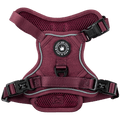
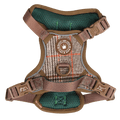
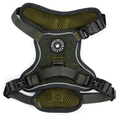
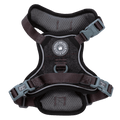
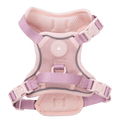
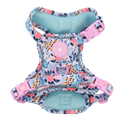
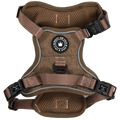
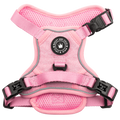







Fits well, easy to put on and looks good. Thanks!
 Same-Day Dispatch Before 1PM
30-Day Easy Returns
Bundle & Save Up to 25%
Free UK Delivery Over £50
Same-Day Dispatch Before 1PM
30-Day Easy Returns
Bundle & Save Up to 25%
Free UK Delivery Over £50




Worn crossbody, worn at the waist, and set up for two dogs — in 24 seconds.
The video shows the Bailey & Coco Hands-Free Double Ended Dog Lead in Mulberry. It is worn across the body, then around the waist, then fitted with the Multi-Dog Lead Extension to walk two dachshunds together along a field path.
The lead goes over one shoulder and sits diagonally across your body. This spreads the load across your torso rather than one arm, which suits longer walks and larger dogs. It is the steadiest of the three positions because the anchor point sits close to your centre of gravity.
The same lead clips around your waist instead. Control is closer and more immediate, which works well for smaller dogs, jogging, and walks where you want your dog nearer to you. Because the lead sits lower on your body, a sudden pull is felt at your hips rather than your shoulder.
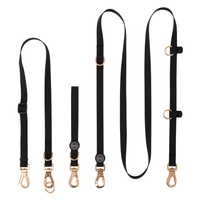
The extension clips on in seconds and adjusts from 65cm to 100cm, so each dog gets its own length. Its integrated O-ring lets the two sides rotate independently, which is what stops the leads twisting when one dog crosses behind the other. That is the setup shown in the second half of the video, with both dachshunds walking on one hands-free lead.
Hands-free walking suits dogs that already walk reasonably calmly. It is not right for every dog. If your dog lunges, is reactive to other dogs or traffic, is still learning loose-lead walking, or is strong enough to unbalance you, keep the lead in your hand where you can release pressure instantly. Being physically attached to a dog you cannot control is the wrong trade. Equipment supports training; it does not replace it.
Shop Hands-Free Double Ended Dog Leads — the lead, the Multi-Dog Lead Extension and the Traffic Handle Add-On, in Jet Black, Forest Green and Mulberry.
Read the full Double-Ended Dog Leads guide — how two-point attachment works with a no-pull harness, how to attach it, and how it compares with other lead types.
Overall rating: 4.9 / 5 from 4243 reviews.
Fits well, easy to put on and looks good. Thanks!

I have two miniature Schnauzer's. Since wearing their new harnesses people have commented on how pretty they and the harnesses are. Hopefully your new extra long leads will be available in the same pattern soon too. Lovely quality and easy to put on.
Trail & Glow Adjustable Collar - Colour Drops - Spring Dreams

I’m genuinely impressed with these dog harnesses. The quality is excellent, and they look really stylish without compromising on comfort or practicality. The fit is spot on—easy to adjust and secure, with no rubbing or slipping, even on longer walks. My dogs seem comfortable and happy wearing it, which says everything. I would definitely recommend these to anyone looking for a harness that combines great looks with a perfect fit.

We bought this for our 1 year old golden after she kept being called a good boy on walks wearing a boring harness. Now there’s no mistaking she’s a gorgeous girl! We bought the matching lead and the matching bow. I find putting on the harness really easy and love the safety features on it. It’s great quality, we’ve been using it for about a month now. Definitely will be purchasing more in the future for our other dog.
Trail & Glow Dog Harness - COLOUR DROPS® - Love that for you

I recently bought the Sage Green Large Dog Harness from Bailey & Coco for my Labrador, and we absolutely love it! The harness is beautifully made, feels really sturdy, and is easy to adjust for a perfect fit. She seems very comfortable wearing it, whether we’re out on walks or just relaxing at home. The sage green colour is gorgeous and suits her perfectly. We’ve had lots of compliments on it already! The design is practical while still looking stylish, and the quality is excellent. Most importantly, she looks incredibly pretty in it (especially when she does her adorable head tilt for treats!). I’m so pleased with this purchase and would definitely recommend Bailey & Coco to anyone looking for a high-quality harness for their dog.

Great looking and practical harness and collar. Adjusts to fit Merlin perfectly.

Artemis is quite a difficult shape to fit (even by doxie standards) this fits really well and is cute too!

The Bubble Gum pink looks amazing on Daisy. It fits her so well and the lead is lovely to hold. Really happy with the whole set I brought. Would love a Sailor Bow to match if you can make one? Thank you Michelle & Daisy

Such a beautiful and well crafted harness and lead set. It fits perfectly and looks great. We love it 🥰

Was trying to find a more padded & supportive harness for my Cooper. Then found this website & on reading the reviews chose to order the harness, collar & dickie bow tie. We followed the sizing guidelines & ordered a small as recommended. We had to do a bit of adjusting to get the straps just right but how handsome does he look? Fits really well & he is now holiday ready for his jollies to the Lake District. Looks really smart.
Trail & Glow Tweed Dog Harness - Colour Drops - Heritage Plaid

Dexter looks very smart in his new harness. It’s difficult to find a harness that fits a Dachshund, but this harness fits perfectly
Trail & Glow Tweed Dog Harness - Colour Drops - Charcoal Tweed

This sage tweed is a stunning addition to the wedding collection the colour is perfection, Bailey and coco harnesses are always such a perfect fit and such amazing quality

My beloved Frenchie Oscar is very stubborn and getting him to wear harness is more like wrestling than happy walking. Then came his new harness which he loves and is so easy to put on. It looks great and great quality. The catch on the lead has a lock and is great. Thank you so much I have a happy frenchie who now loves his walks.

The 5ft lead is the perfect length for our walks, the hardware feels really good quality and is in a stunning gold.
Trail & Glow Tweed Dog Harness & Lead Set - Colour Drops - Sage Tweed

Absolutely love this new Sage tweed harness, such a beautiful colour ! We'll be wearing them very often. Very good quality, we still love the 3 clicks.

Love this harness and the fact it doesn’t need to go over my pups head can just clip around his neck. The only reason I took off a star is for my long bodied dog it’s quite short!

Exactly how I wanted this one to be. Looks great, fits well and it’s extremely well done. Thank you
Trail & Glow Dog Harness & Lead Set - Colour Drops - Wanna-Bee

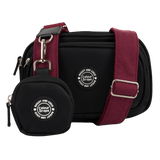
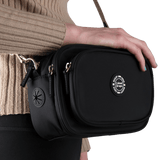
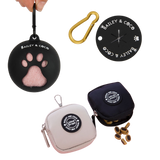
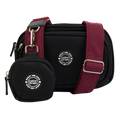
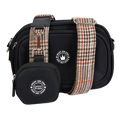
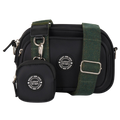
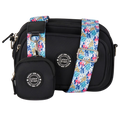
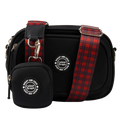
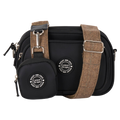
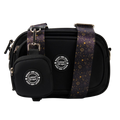
I am able to fit 2 puppy pads, a flannel for his slobber, his travel bowl and water, treats, poo bags as well as lip balm and hand sanitiser for me

We love this design! a lovely pastel sage and the tweed fabric is so premium. The trail & glow tough style is our go to for maximum comfort and control
Trail & Glow - Dog Harness Bundle Set - Colour Drops - Sage Tweed

Really beautiful Sage Tweed Trail and Glow harness. Quality tweed fabric, a great fit, as the straps can all be altered to fit your dog perfectly and a lovely versatile colour which my doggy can wear from Spring to Autumn. This harness is well made, durable and looks really smart. Great, classic style!

This is our second Bailey and Coco harness and matching lead …. the extra small fits our 10 month old Cavapoo perfectly! I just love the colours and the three clip design is perfect for us!

Second purchase and harness bought from Bailey & Coco for our second dog (and it won’t be the last!) We bought the first harness for our first dog over a year ago, and haven’t touched another harness since! The quality, style, security and fit are second to none. We’re yet to find better than Bailey & coco! Went without saying that when we got our rescue dog a few weeks ago, that we ordered another. We also love the personalised collar chip - everything is always the best quality and lasts for a long long time. This one is the mulberry tweed and we absolutely love it. Thank you!

Great quality harness and the three clip design is perfect. Colour is stunning!!

Lovely harness, Rocky loves it. I bought it as his last harness was too big and he kept getting out of it and i bought this hoping he wouldn’t be able to get out of it however he has been able to a couple of times (naughty boy) but since tighting it as much as it can hopefully he can’t do it anymore.
Trail & Glow Tweed Dog Harness - Colour Drops - Heritage Plaid

I am totally obsessed with this harness ! It is super secure and fits even my tiny yorkie, love how soft and comfortable it is whilst also being incredible quality ! 🤍

Amazing quality, and adjusts on the neck and chest to get a good fit! Love the handle on the back of this harness style ☺️

Beautifully made and looks amazing. Perfect for adjusting after fur cuts!

I absolutely love my bow tie the colours look so lovely on my girlie so pretty and well made and sturdy. 💜💜

We love this collar on Attie! The colour and fit are just perfect. It's defo a new staple in the wardrobe for sure!

Absolutely love this collection! The colour, the fit and the vibe is just perfect. So many comments from people when out and about about how handsome Attie looks in this and its all thanks to this gorgeous collection!

Hugo looks like a real dapper gentleman with his bow tie on his collar🧡 great quality and colour

I ordered the wrong size to begin with. But it wasn’t a problem Bailey and Coco soon had the right one out to me. My beautiful boy looks stunning in his yellow bumblebee harness. It makes him easy to spot when running around the woods. Sturdy construction and lovely fabrics are what keeps me coming back to Bailey and Coco.

Great fit. Very tough. Easy to use. Bailey loves it.

High quality product, I have brought the full set, harness, lead, collar, and my cockapoo looks amazing. We highly recommend.

Who doesn’t love a bow tie! Lovely quality and easy to add to collar or harness

Maisy struggles with an over the head harness. Found the perfect solution, no more struggling and she is happy for her harness to go on. Nicely padded and suitable for an active cocker spaniel puppy. I washed the harness by hand and it’s back to its new condition.
Bubblegum Pink Tweed Dog Harness - No Pull & Reflective | Trail & Glow®

Obsessed loooove it! Favourite yet! Super soft and comfy. The most beautiful colour!

Such a beautiful colour, soft but sturdy fabric! Just gorgeous

We waited for a few weeks before leaving a review, as we wanted to be 100% sure about what we thought. Dylan is a 1 year old 52kg Bernese Mountain Dog, who decided he did not like his overhead harness. We reached out to a few companies to ask about their options and felt we were provided a good amount of information and took the plunge. This harness has been PERFECT. So easy to get on and off! He no longer hides in the corner, and the sizing is exactly as described. We have a car ramp, and the handle makes it so easy to guide Dylan in and out the car. It's very strong and sturdy and one of our favourite features! After a few weeks of use there is no damage to any of the seams or any signs of wear or tear. Really easy to clean and use, and we genuinely love the product!

Love this harness. The print just pops! My pooch hates anything going over her head so ideal this has the 3 point buckles. Have had many compliments while out her walkies.
Your cart is empty
Continue shopping


