













New puppy, first collar? This page compares collar types. For UK law, sizing by breed and a day-by-day plan to get your puppy wearing one, read the complete puppy collar guide.
Bringing home a puppy is all cuddles, chaos, and a thousand tiny decisions. One of the first everyday choices is the collar. Not just for style (although we love that part), but for safety, comfort, and those early training moments when your pup is learning how life works.
A puppy collar should do three jobs beautifully: fit comfortably, stay secure, and make daily routines easier (ID tags, garden breaks, quick trips, meeting friends). In the UK, it also needs to cope with wet pavements, muddy parks, and the fact that puppies grow fast.
What is the best dog collar for a dog?
Quick answer: for most puppies, the best choice is an adjustable flat collar that sits comfortably, does not rub, and has a secure fastening. The goal is a collar your puppy can wear happily on normal days, while you use a harness for lead training if needed.
For puppies specifically, “best” usually comes down to:
- Soft feel: gentle against puppy skin and fluff (especially for Cockapoos, Cavapoos, Spaniels, and double-coated pups).
- Lightweight: puppies notice heavy hardware and can fuss with it.
- Adjustable: because your puppy will change shape quickly, even week to week.
- Secure D-ring: for tags and short lead moments.
When should a puppy start wearing a collar?
Most puppies do well with short, calm “collar sessions” as soon as they are home and settled. Start with a few minutes, pair it with treats, and build up. For tiny breeds like Dachshunds, Yorkies, and Chihuahuas, keep it extra lightweight. For chunkier pups like Labradors or Staffies, prioritise a collar that sits flat and does not twist.
If your puppy is scratching at the collar constantly, that is normal at first. Keep the first sessions short and positive. You are teaching your puppy that wearing a collar is just part of life, like having their lead clipped on or waiting politely at the door.

What type of collar is recommended for most dogs?
Quick answer: a well-fitted flat adjustable collar. It is the everyday classic for tags, quick outings, and calm walks. For puppies, that adjustability matters even more because their neck size changes fast.
Many owners choose a collar for everyday wear and a harness for training on the lead. If you have a pup that pulls, spins, or is still learning manners, that combination makes day-to-day life easier.
Coming up: the most important part of any puppy collar is fit. Next, we will cover measuring, the two-finger rule, and a sizing chart you can screenshot for later.
What is the 2 finger collar rule?
Quick answer: you should be able to slide two fingers comfortably between the collar and your puppy’s neck. Not one finger jammed in tightly, and not a loose gap where the collar can slip over the head.
This simple check helps you avoid the two most common puppy collar problems:
- Too tight: rubbing, irritation, fussing, or flattened fur.
- Too loose: slipping off during play, or getting caught when puppies wrestle.
How do I measure my puppy for a collar?
- Use a soft measuring tape (or a piece of string you measure afterwards).
- Measure around the neck where the collar will sit (high-ish on the neck, not down on the shoulders).
- Add a little comfort space, then check the two-finger rule once the collar is on.
- Re-check weekly for young puppies, and after growth spurts.

Puppy collar sizing chart (UK)
These sizes are designed to make choosing simple. If your puppy sits between sizes, most owners prefer the size that gives a comfortable adjustment range without leaving too much excess strap.
| Size | Neck (cm) | Width |
|---|---|---|
| Extra Small | 18cm to 28cm | 1.5cm |
| Small | 25cm to 38cm | 1.5cm |
| Medium | 33cm to 53cm | 2cm |
| Large | 38cm to 63cm | 2.5cm |
If you want the full measuring walkthrough, we also have a dedicated guide here: Dog Collar Size Guide UK 2026 .
How often should I resize my puppy’s collar?
For young puppies, check the fit weekly. For many breeds, the biggest jump happens between “tiny puppy” and “proper little dog” stages, especially around growth spurts. If your puppy is suddenly scratching more, the collar looks tighter, or the buckle is sitting awkwardly, it is time to adjust.
Next up: collar types for different puppy lifestyles, including wet-weather walks, training, and the best options for chewy little troublemakers.
Best collar types for puppies (and when to choose each)
Not all puppies live the same life. A city Cockapoo doing pavement walks, a countryside Labrador pup diving into puddles, and a tiny Dachshund who hates the rain will all have slightly different “best” choices.
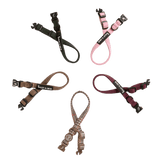
1) Adjustable flat puppy collar (everyday favourite)
This is the go-to for most UK puppies. It sits flat, adjusts easily, and works brilliantly for ID tags. It is also the easiest style for family members to clip on and off without fuss.

2) Waterproof puppy collar (for rainy days and muddy pups)
If your puppy is the type to sit down in every puddle, a waterproof option can be a lifesaver. It stays fresher, dries quickly, and is easy to wipe clean after wet-weather walks.
If you would like to browse every style in one place, you can view our full collar collection here: shop all dog collars.
Collar or harness for puppy lead training?
For calm, short lead moments (quick garden breaks, popping to the car, attaching a lead briefly), a collar is great. For learning to walk nicely, many puppies do best in a harness because it spreads pressure more comfortably, especially if your pup is still pulling or spinning with excitement.
If you want a deeper comparison, this guide is helpful: Dog Harnesses vs Collars (UK) .
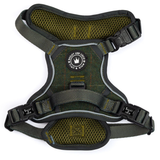
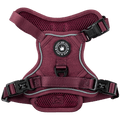
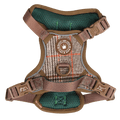
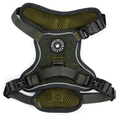
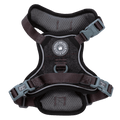
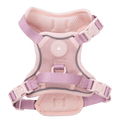
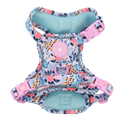
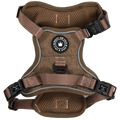
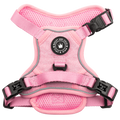
If you are building a complete walking setup as your puppy grows, you can also explore harness options here: shop dog harnesses .
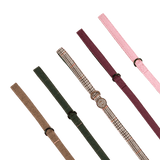
3) Tweed puppy collars (for classic style with everyday comfort)
Tweed collars are ideal when you want something that looks gorgeous for everyday wear, family visits, photos, and outings. Many owners love tweed for puppies because it feels soft, looks premium, and makes even a quick walk feel a bit special.

Breed tips: choosing the right puppy collar feel
- Cockapoo, Cavapoo, Cocker Spaniel: prioritise soft feel and avoid anything that twists, as it can matt fur at the neck.
- Dachshund, Chihuahua, Yorkie: keep it lightweight with a neat fit so hardware does not feel bulky.
- French Bulldog and Pug: collars are great for ID, but many owners prefer a harness for lead walking.
- Labrador, Golden Retriever, Staffy: choose a collar width that sits flat and secure as they grow stronger.
Next: the most common puppy collar problems (rubbing, slipping, chewing), and the simple fixes that make collar life easy.
Should dogs wear collars around the house?
Quick answer: for most dogs, a collar is most important when you’re heading out because it’s the easiest place to keep an ID tag. At home, it’s more about comfort and routine. Many puppies happily wear their collar indoors too, while others have it off for naps and pop it back on before walks.
If your puppy is still getting used to a collar, start with short “wear it” moments indoors, then make it part of your going-out routine. That way, the collar becomes normal, and your pup is always ready for walks.
My puppy keeps scratching the collar. Is that normal?
At first, yes. New collars feel strange. The key is to check the fit and comfort:
- Use the two-finger rule and make sure the collar is not tight.
- Check that the buckle is not sitting awkwardly and rubbing.
- Try short “collar sessions” with treats, then build up.

How do I stop my puppy chewing their collar?
Chewing is usually boredom, teething, or “new thing must be tasted”. These fixes help most owners quickly:
- Fit check: collars that twist or dangle invite chewing.
- Tag placement: keep tags tidy, and consider a quieter tag style if the jingle triggers chewing.
- Swap the habit: offer a teething toy the moment they go for the collar.
- Supervise: if your puppy is determined, remove the collar at home and use it for outings.

When should I replace a puppy collar?
Replace the collar if it no longer adjusts comfortably, looks worn, or your puppy has outgrown the size range. Puppies grow quickly, and a collar that fit perfectly last month can suddenly feel snug.
Choosing your puppy’s first collar in one minute
- Pick an adjustable flat collar as your everyday base.
- Measure and check the two-finger rule.
- Re-check fit weekly in the early months.
- Use a harness for lead training if your pup is still pulling or learning.

If you would like the full “big picture” guide too, you can read: Dog Collars in 2026 UK .
FAQs: puppy collars
Can a puppy wear a collar on walks? Yes, as long as it fits correctly and your puppy is comfortable. Many owners use a collar for ID and a harness for lead walking while training.
What is the safest collar for a puppy? A well-fitting, adjustable flat collar that sits comfortably and does not rub or slip.
What if my puppy is between sizes? Choose the size range that gives a secure fit now and still has room to adjust as your puppy grows.


