




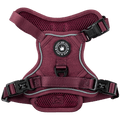
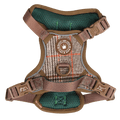
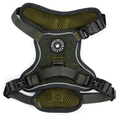
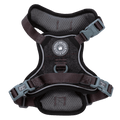




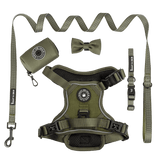


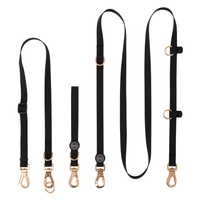



Tweed dog collars have a certain magic. They feel timeless, cosy, and a little bit special, without being over the top. In the UK, tweed just makes sense. It suits countryside walks, city café stops, crisp winter mornings, and those moments when your dog looks so lovely you end up taking ten photos without even realising.
This guide is for anyone searching for a tweed dog collar and wanting to choose confidently. We will cover what to look for in a tweed collar, how to pick the right size, how a collar should fit (including the 2 finger rule), how to keep it looking its best, and how to build a matching set with tweed leads and tweed harnesses.
If you want the bigger picture first, you can also read: Dog Collars in 2026 UK . For sizing help in one place, keep this bookmarked: Dog Collar Size Guide UK 2026 .

What is a tweed dog collar?
Quick answer: a tweed dog collar is a collar made with tweed or tweed-style fabric that gives a classic, heritage look. The appeal is not only style. A great tweed collar should also fit comfortably, sit smoothly on the neck, and feel secure when you attach a lead.
Rather than overthinking it, it helps to think about tweed in three simple ways:
- It is a style choice: tweed looks classic and elevated, especially in earthy tones and subtle patterns.
- It is a lifestyle choice: tweed suits everyday walks, weekends away, and those “smart dog” moments.
- It is a fit choice: as with any collar, comfort and correct sizing are what make it feel right.
People also ask: What is the best dog collar for a dog?
Quick answer: the best dog collar is the one that fits correctly, suits your dog’s routine, and stays comfortable all day. For many UK owners, an adjustable collar is a practical everyday option, and tweed is a brilliant choice when you want classic style as well.
Who suits a tweed dog collar?
Tweed collars can suit most dogs, but they are especially loved for dogs whose look naturally leans classic. If you have a Dachshund, Cocker Spaniel, Border Collie, Labrador, Golden Retriever, or a small breed like a Chihuahua or Yorkshire Terrier, tweed can look gorgeous. The key is choosing the right size and width so it feels proportional.
A simple rule: the smaller the dog, the more you want the collar to feel light and neat. The larger the dog, the more you want it to feel stable on the neck.

Now that we have covered what tweed collars are and who they suit, let’s get into the decision points that matter most: pattern choice, everyday practicality, and how to avoid buying the wrong size.
How to choose the right tweed dog collar
Quick answer: choose the pattern you love first, then choose the correct size range in cm, and finally confirm the fit using the 2 finger rule. When those three align, a tweed collar feels easy to wear and looks beautiful every day.
Most people overthink “features” and underthink fit. In real life, the best tweed dog collar is the one that:
- sits smoothly without twisting constantly
- fastens securely and comfortably
- has enough adjustment range to handle coat changes
- looks like it belongs on your dog

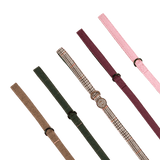
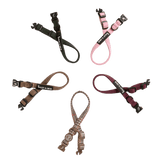
Pattern choices that look timeless
When you are choosing tweed, think about your routine and your dog’s colouring. For example:
- Oxford-style tweed tones: classic and easy to match with coats and jumpers.
- Forest tones: outdoorsy and lovely for autumn and winter photos.
- Mulberry tones: warm, soft, and a little bit special for occasions.
- Heritage plaid patterns: iconic and a brilliant “signature” look.
If you love a coordinated look, the easiest way is to choose your collar first, then match your lead and accessories to the same fabric family.
People also ask: How should a dog collar fit?
Quick answer: a dog collar should be snug enough that it does not slip over the head, but loose enough for comfortable breathing and movement. The collar should sit comfortably without digging in, and it should not rotate constantly under the neck.
Tweed vs waterproof: which one is better for UK walks?
Quick answer: tweed is ideal for classic style and everyday wear, while waterproof is ideal when you want quick wipe-clean practicality after wet and muddy walks. Many owners keep both and switch depending on the day.
| Use case | Tweed collar | Waterproof collar |
|---|---|---|
| Everyday style | Excellent | Great |
| Muddy, wet walks | Good with care | Ideal |
| Photos and occasions | Perfect | Great |
| Fastest clean-up | Spot clean | Wipe clean |

Next, we will cover the most important part of choosing any collar: getting the size right, using the 2 finger rule, and making sure the collar feels comfortable on real walks, not only in a studio photo.
What size tweed dog collar do I need?
Quick answer: you need the size that matches your dog’s neck measurement in cm, then you confirm the fit using the 2 finger rule. Breed names can be a helpful starting point, but the neck measurement is what gets you the correct fit.
If you want a full walkthrough with examples, use our dedicated guide: Dog Collar Size Guide UK 2026 . For the quick version, start by measuring your dog’s neck where the collar will sit.
People also ask: What is the 2 finger collar rule?
Quick answer: you should be able to slide two fingers flat between the collar and your dog’s neck. If you cannot fit two fingers, the collar is too tight. If you can easily fit three or more, it is likely too loose.
Dog collar size chart UK (cm)
Use this chart as your starting point, then do the 2 finger rule check once the collar is on. If your dog is between sizes, choose the size where the measurement sits comfortably within the adjustable range.
| Size | Neck (cm) | Width |
|---|---|---|
| Extra Small | 18cm to 28cm | 1.5cm |
| Small | 25cm to 38cm | 1.5cm |
| Medium | 33cm to 53cm | 2cm |
| Large | 38cm to 63cm | 2.5cm |

Breed-led fit tips for tweed collars (UK)
- Dachshunds: check the collar does not slide towards the head, and keep the fit stable for low-to-the-ground sniffing walks.
- Cocker Spaniels: re-check sizing after grooming, as coat changes can alter how a collar sits on the neck.
- Labradors and Golden Retrievers: confirm the collar stays stable when you attach a lead, especially if your dog is enthusiastic at the start of walks.
- French Bulldogs and Pugs: focus on a comfortable fit and avoid overtightening. Many owners prefer using a harness for lead walking.
Tweed collar vs tweed harness: what is best for lead walking?
Quick answer: a collar is brilliant for everyday ID and easy on-and-off wear, while a harness can feel more comfortable for lead walking if your dog pulls or is sensitive around the neck.
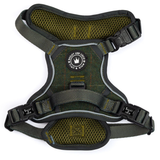
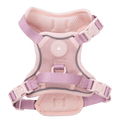
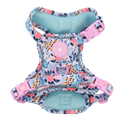
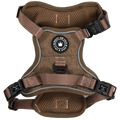
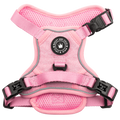
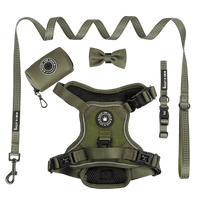
If your dog tends to pull, gets excited on walks, or you simply want more control, explore our tweed dog harnesses for a coordinated look.
Next, we will cover care and cleaning, how to keep tweed looking lovely through real UK weather, and how to build a matching set with leads and accessories without overbuying.
Are tweed dog collars durable?
Quick answer: a well-made tweed collar can be a reliable everyday option when it fits correctly and is cared for properly. As with any collar, regular checks matter, especially if your dog is active, loves rolling, or tends to pull.
People also ask: Are tweed dog collars waterproof?
Quick answer: tweed collars are not the same as dedicated waterproof collars. If you want the easiest wipe-clean option for heavy rain and mud, a waterproof collar is often the better choice. Tweed can still be worn for everyday walks, and many owners keep a second collar for very wet days.

How to clean a tweed dog collar
Quick answer: start with a gentle spot clean and allow the collar to air dry fully. If your collar needs a deeper clean, follow the care instructions shown on the specific product page.
A simple, realistic routine for UK life:
- After damp walks: let the collar dry naturally before long indoor wear.
- After muddy walks: spot clean and check edges where grit might collect.
- Weekly comfort check: confirm the 2 finger rule and make sure nothing is rubbing.
People also ask: Should you take a dog collar off at night?
Quick answer: many owners remove collars at night to give the neck a break and reduce snag risks during sleep. If your dog wears a collar overnight, make sure the fit is comfortable and check it regularly.

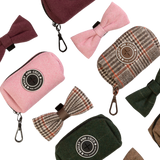
Complete the look: tweed collars, tweed leads, and accessories
If you love a coordinated look, keep it simple. Start with the collar, then add a matching lead if it suits your routine. You can browse our tweed dog leads here.

A simple tweed buying checklist (save this)
- Choose the pattern you love first
- Measure your dog’s neck in cm and use the size chart
- Fit the collar and confirm the 2 finger rule
- For pullers or neck-sensitive dogs, consider a harness for lead walking
- Spot clean and air dry to keep tweed looking its best

If you would rather browse every style, you can view our full collection here: shop all dog collars .
Final thought: tweed is not only about looks. The right tweed dog collar feels comfortable, sits securely, and makes everyday walks feel a little bit more special. Choose the pattern you love, measure in cm, and keep the fit comfortable with the 2 finger rule.


