













If you have ever fastened your dog’s collar, paused, and thought “Is this too tight?” you are in very good company. Collar fit is one of those tiny everyday things that makes a massive difference to comfort. When it is right, your dog forgets it is even there. When it is wrong, you will see scratching, rubbing, slipping, tag fiddling, or that slightly awkward “something feels off” body language.
This guide makes collar fit simple. You will learn the two-finger rule, exactly where a dog collar should sit, how to spot when it is too tight or too loose, and how to fix common problems quickly. It is written for UK dog owners in 2026, including puppies, small breeds, and strong pullers.
How tight should a dog collar be?
Quick answer: your dog’s collar should be snug enough that it stays in place and does not slip over the head, but loose enough that it does not squeeze or rub. The easiest check is the two-finger rule: you should be able to slide two fingers comfortably between the collar and your dog’s neck.
Think of “snug” as stable, not tight. A stable collar stays where you put it, sits flat, and feels comfortable. A tight collar compresses the coat, leaves marks, and makes your dog more aware of it. A loose collar rotates constantly, slips down the neck, and can slide off more easily during play or wriggly moments.
What is the 2 finger collar rule?
The two-finger rule is the quickest way to check collar comfort. Slide two fingers between the collar and your dog’s neck. Your fingers should fit easily, without forcing. If you can only squeeze one finger in, it is likely too tight. If you can fit three or four fingers with loads of space, it is likely too loose.
Small dog tip: for tiny necks (Chihuahua, Yorkie, miniature Dachshund), use the same idea but focus on “comfortably two fingers”, not “wiggle a whole hand under it”. The goal is always the same: comfortable, stable, and secure.

Where should a dog collar sit on the neck?
Quick answer: a collar should sit comfortably around the neck without dropping down onto the shoulders. It should look neat and feel stable, not sliding around as your dog walks. If it rides very low, it often twists more and can feel less comfortable.
If your dog’s collar seems to slide down, it is usually because it is a touch too loose or the adjustment is not even. A small tweak tighter often makes it sit in the right place and stops the constant rotating.
Coming up: how to tell if your dog’s collar is too tight or too loose, plus simple fixes for rubbing, slipping, and collar fussing.
How do I know if my dog’s collar is too tight?
Quick answer: a collar is often too tight if you cannot fit two fingers comfortably underneath, if your dog scratches at it more than normal, or if you notice hair flattening, marks on the skin, or rubbing around the neck.
Here are the most common signs:
- You cannot do the two-finger check: you can barely fit one finger underneath without forcing.
- Flattened fur or a visible “line”: you take the collar off and the coat looks compressed in one area.
- Rubbing or irritation: especially under the buckle or where the collar twists.
- Fussing and scratching: some dogs will paw at the collar when it feels tight or awkward.
- It looks strained: the collar looks pulled tight when your dog moves their head.
If you see any of these, loosen by one notch (or a small amount if it is adjustable) and re-check using the two-finger rule. Most fit problems are fixed with a tiny adjustment.
How do I know if my dog’s collar is too loose?
Quick answer: a collar is often too loose if it rotates constantly, slips down the neck, or you can fit more than two fingers easily with lots of space. If your dog can back out of it during play, it definitely needs adjusting.
Common signs of a loose collar:
- Constant spinning: the D-ring and tags keep ending up under the chin or on the side.
- Slipping down: it drops towards the shoulders on walks.
- Tag fiddling: if the tags swing around, many dogs start nibbling or pawing.
- Easy “head slip” risk: particularly for narrow-headed breeds and wriggly puppies.
Should you be able to fit 2 fingers under a dog collar?
Yes. It is the simplest, most practical comfort check for most dogs. Once you can fit two fingers comfortably, look at the collar as your dog moves. It should sit flat, look neat, and feel stable, not loose and wobbly.
How do I measure my dog for a collar?
- Use a soft measuring tape (or string, then measure the string).
- Measure around the neck where the collar will sit.
- Choose a size range that includes your measurement with room to adjust.
- Fit the collar and confirm using the two-finger rule.
If you want the full measuring guide, you can read: Dog Collar Size Guide UK 2026 .

How often should I check my dog’s collar fit?
Check collar fit weekly for puppies and young dogs, and monthly for most adult dogs. Also re-check after grooming, weight changes, coat changes (winter fluff versus summer trim), or if you notice scratching and collar spinning.
Next up: quick fixes for the most common collar problems: slipping, rubbing fur, scratching, and dogs who hate the feeling of a collar at first.
Why does my dog’s collar keep slipping?
Quick answer: slipping is usually caused by a collar that is slightly too loose, sitting too low, or not adjusted evenly. A tiny adjustment tighter often stops the slip and the constant rotating.
Try this simple three-step fix:
- Re-check the two-finger rule: tighten until two fingers fit comfortably.
- Even the adjustment: make sure the collar sits flat, not angled.
- Check the position: it should sit neatly on the neck, not down on the shoulders.
Dog collar rubbing fur: how to prevent it
Quick answer: rubbing usually comes from friction caused by twisting or a buckle sitting in an awkward spot. A collar that stays stable and flat is far less likely to rub.
These small tweaks help quickly:
- Stability first: collars that wobble rub more. A snug, comfortable fit reduces friction.
- Buckle placement: if the buckle sits under the jaw or on a sensitive spot, adjust so it sits comfortably to the side.
- Match collar feel to coat: fine fur can show marks more easily, so keep the fit neat and comfy.
My dog keeps scratching at the collar. What should I do?
Some scratching is normal when a collar is new. If it continues, it usually means one of three things: the collar feels a touch tight, it is twisting, or tags are annoying your dog.
Quick fixes to try:
- Fit check: confirm the two-finger rule and loosen slightly if needed.
- Stabilise: tighten a touch if the collar is spinning and sliding.
- Tidy tags: if tags swing and jingle, many dogs will fuss. Keeping tags neat can help.

Puppies and collar fit: what changes?
Puppies grow quickly, and collar fit can change faster than you think. If you have a puppy, check the collar fit weekly. If your puppy is new to wearing a collar, start with short positive “collar sessions” and build up so it becomes normal and easy.
If you want the puppy-specific guide, you can read: Best Puppy Collar UK .
Small dogs and collar fit: what to watch for
Small dogs often need a slightly neater fit because loose collars rotate more on smaller necks. If your tiny dog’s tags keep ending up under their chin, that is usually a sign the collar can be adjusted for a more stable fit.
You can read the small-breed guide here: Small Dog Collars UK 2026 .
Collar fit vs harness fit for dogs who pull
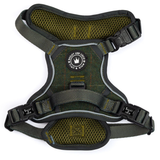
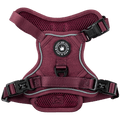
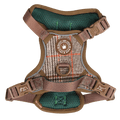
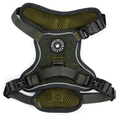
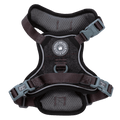
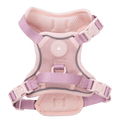
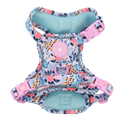
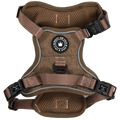
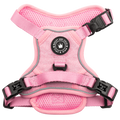
If your dog pulls on the lead, collar fit matters even more, but many owners find a harness makes walking feel more comfortable and controlled. A common setup is a collar for ID, and a harness for lead walking and training.
If you want to explore harnesses, you can here: shop dog harnesses .
Next: the “one minute fit routine” you can use anytime, plus answers to the most common collar questions owners ask before walks.
The one-minute dog collar fit routine
If you want a quick routine you can do before a walk (or whenever something feels off), this is it:
- Position: make sure the collar is sitting neatly on the neck, not sliding down onto the shoulders.
- Two-finger rule: slide two fingers under the collar. Comfortable is the goal.
- Look for stability: the collar should sit flat and not spin constantly as your dog moves.
- Check the buckle and D-ring: make sure nothing is pressing on a sensitive spot.
- Tag tidy: if tags swing and annoy your dog, keep them neat and quiet.
Should dogs wear collars around the house?
Quick answer: a collar is most important when you’re heading out, because it is the easiest place to keep an ID tag. At home, it depends on comfort and routine. Some dogs wear collars all day, while others have them off for naps and then back on for outings.

What if my dog is between collar sizes?
If your dog is between sizes, choose the size range that gives a secure fit now without leaving lots of excess strap. If your dog has a thicker coat, allow a little room, then adjust so the collar sits stable and comfortable. If your dog has very fine fur, a neat fit often helps reduce twisting and rubbing.
How tight should a dog collar be for a puppy?
Exactly the same principle as adult dogs: comfortable two-finger fit, stable and secure. The difference is how often you check it. Puppies grow fast, so re-check weekly, and after growth spurts.

Choosing the right collar feel for your dog
Some dogs are more sensitive than others. If your dog fusses with a collar, choose a style that feels soft, sits flat, and stays stable. Dogs with long, fine fur around the neck often do best when the collar does not rotate constantly. Dogs who love muddy walks may prefer a collar that is easy to wipe clean.

Quick links to help you choose
Related Reading
Not sure which collar to buy in the first place? Our full dog collar buying guide compares every type, material, and size to help you decide. If you are considering adding your dog's name and contact details to their collar, our guide to personalised collar options covers everything from embroidered to engraved. Martingale collars have a unique fitting process that differs from flat collars. See our complete martingale collars guide for specific fitting instructions.


