












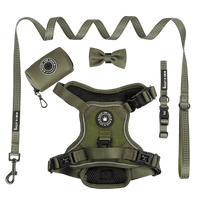

If your dog’s collar is rubbing fur, you are not being fussy. Collar rub can be genuinely uncomfortable, and it often shows up as scratching, a patch of flattened coat, hair thinning around the neck, or a “line” where the collar sits. It can happen to any breed, but it is especially common with dogs who have fine fur (like Yorkies and Maltese), fluffy coats (like Pomeranians), or sensitive skin. It can also happen when a collar twists, gets damp after a rainy walk, or sits in the wrong place.
The reassuring part is this: most collar rubbing comes down to a handful of fixable causes. In this guide, you will learn what is really happening, how to stop the rubbing, and how to keep your dog comfy day to day. We will also cover quick checks for puppies, small dogs, and dogs who love muddy UK walks.
Why is my dog collar rubbing fur?
Quick answer: collars usually rub when they move too much, sit awkwardly, or trap damp and grit against the coat. The most common trigger is a collar that twists or rotates, creating friction in the same spot every time your dog walks, shakes, sniffs, or pulls slightly.
Here are the top causes we see again and again:
- Fit is slightly off: too loose and the collar spins, too tight and it presses and rubs.
- Collar sits too low: it slides down towards the shoulders and moves more as the dog walks.
- Buckle or hardware placement: the buckle sits under the jaw or on a pressure point.
- Damp + dirt: wet-weather walks leave moisture and grit that increases friction.
- Coat type: long fine fur can matt and show marks faster, fluffy coats can hide rubbing until it is obvious.
- Constant wear without breaks: some dogs do better with collar-off nap time, especially if they have a thick coat.

What does collar rub look like?
Collar rub is not always dramatic at first. Often it starts with one of these signs:
- A small patch of flattened fur where the collar sits.
- A thin line around the neck where coat looks different.
- More scratching near the collar area, especially after walks.
- Hair thinning under the buckle or on one side (where the collar twists).
- A collar that keeps rotating so tags and D-ring drift under the chin.
Is it normal for a dog collar to rub?
It is common, but it is not something you should just accept. A well-fitted collar that stays stable and is kept clean and dry should feel comfortable for most dogs. If rubbing is happening, it is a helpful signal that something needs adjusting.
Next: the quickest fix is nearly always fit. In Part 2, we will do the two-finger check, collar position, and the small changes that stop rubbing fast.
Step 1: Check collar tightness (the two-finger rule)
Quick answer: you should be able to slide two fingers comfortably between the collar and your dog’s neck. This is the simplest way to reduce both pressure rubbing (too tight) and friction rubbing (too loose and spinning).
If you want the full fit walkthrough, this guide is helpful: How Tight Should a Dog Collar Be? (UK) .
Step 2: Check where the collar sits
Quick answer: a collar should sit neatly on the neck, not sliding down onto the shoulders. Collars that sit too low tend to move more as the dog walks, which increases friction and makes rubbing more likely.
A quick check: stand beside your dog, look at the collar, and see if it stays in place or constantly drifts. If it drifts and spins, adjust the fit slightly and make sure the collar is sitting evenly.
Step 3: Stop collar rotation (the hidden cause of rub marks)
Many rubbing issues are caused by rotation. If the D-ring and tags keep ending up under your dog’s chin, the collar is likely moving too much. This constant movement creates a “hot spot” of friction, often under the buckle or on one side of the neck.
Fix rotation with:
- A slightly neater fit that still passes the two-finger rule.
- Even adjustment so the collar sits flat, not angled.
- Tag tidy-up so heavy dangling tags do not pull the collar around.
Step 4: Clean and dry (especially after rainy UK walks)
Damp collars are a common cause of rubbing because moisture softens the coat and increases friction. Add a bit of grit from pavements, muddy parks, or woodland walks, and the collar can start acting like sandpaper.
If you want the cleaning routine, this guide makes it easy: How to Clean a Dog Collar UK .

Step 5: Use a quick sizing check if your dog is between sizes
If a collar is always either too tight or too loose, your dog may be sitting between sizes. In that case, choosing the size range that gives a stable fit without excess strap can reduce rotation and rubbing.
For a full measuring walkthrough, use: Dog Collar Size Guide UK 2026 .
Next: in Part 3 we will match solutions to coat type and lifestyle, including wet-weather dogs, small breeds with fine fur, and dogs who pull or get very excited on walks.
Fix collar rubbing by coat type
Fine fur and silky coats (Yorkie, Maltese, Shih Tzu)
Fine fur shows collar marks quickly. The biggest help is reducing rotation. A tidy fit, stable collar position, and keeping the collar clean and dry makes a noticeable difference. Many owners also prefer to pop the collar off for naps so the coat has a rest.
Fluffy coats (Pomeranian, Spitz types)
Fluff can hide rubbing until you notice hair thinning. Check under the collar regularly, especially near the buckle. After wet walks, towel press the collar area so damp does not sit against the coat.
Short coats (French Bulldog, Pug, Staffy)
Short coats can be more prone to visible redness if a collar is rubbing. Focus on a stable fit that does not spin, and check that hardware does not sit on a pressure point.
Fix collar rubbing by lifestyle
Wet-weather walks and muddy dogs
If your dog is always damp, a collar that stays clean and dries quickly can help comfort. After rain walks, a quick rinse and towel press can prevent grit and moisture building up.
If you love having a dedicated option for muddy days, you can browse: waterproof dog collars .

Dogs who pull or lunge
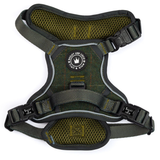
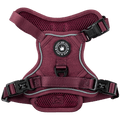
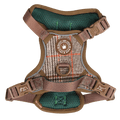
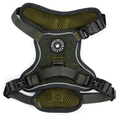
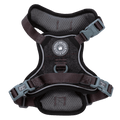
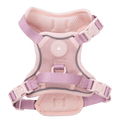
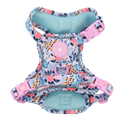
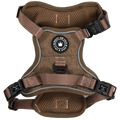
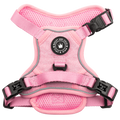
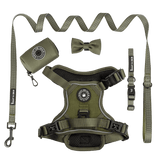
Pulling increases movement and pressure, which can make rubbing worse. If your dog pulls on lead walks, many owners find a harness more comfortable for walking, while keeping a collar for ID. If you want to browse harness options, you can here: shop dog harnesses .
Puppies and growing dogs
Puppies change shape quickly, and a collar that fitted perfectly last month can start rubbing after a growth spurt. Re-check fit weekly and after coat trims. If you have a puppy, this guide is useful: Best Puppy Collar UK .
Small dogs (Dachshund, Chihuahua, Toy breeds)
Small dogs often get more rotation if a collar is loose, which can create rubbing under the chin and along the sides. A neat fit that still passes the two-finger rule usually helps. If you want the small-breed guide, it is here: Small Dog Collars UK 2026 .

What to do if your dog already has a rub mark
Quick answer: give the area a break from friction and focus on comfort. Many owners remove the collar for a short period indoors, keep the area clean and dry, and re-check fit before wearing again. If the skin looks sore, your dog seems painful, or the area does not improve, it is a good idea to speak to your vet.
Next: Part 4 wraps everything into a simple “no rub routine”, answers the most common questions, and helps you choose the most comfortable everyday setup for your dog.
The “no rub” routine you can use anytime
If you want a simple routine that catches rubbing early, this is it:
- Two-finger fit check: comfortable, snug, and stable.
- Position check: collar sits neatly on the neck, not sliding to the shoulders.
- Rotation check: D-ring should not constantly drift under the chin.
- Dry after rain: towel press the collar and neck area after wet walks.
- Quick clean: rinse off grit and let the collar fully air dry.
Why does my dog’s collar keep rotating?
Quick answer: rotation usually means the collar is a touch too loose or unevenly adjusted. Tighten slightly (still passing the two-finger rule), check symmetry, and keep tags tidy so they are not pulling the collar around.
Will a wider collar stop rubbing?
A well-chosen width can help some dogs, but the biggest factor is fit and stability. A collar that sits flat and does not spin is usually more comfortable than a wider collar that rotates. For small dogs, a collar that feels too bulky can also cause fussing, so aim for “neat and comfy” over “as wide as possible”.
Can a dog collar cause hair loss?
Quick answer: repeated friction in the same area can lead to hair thinning over time, especially if the collar rotates or stays damp. The good news is that improving fit, keeping the collar clean and dry, and giving the neck area regular breaks from friction often helps.

Should my dog wear a collar all the time?
Quick answer: many dogs wear collars daily, especially for ID tags, but comfort matters. Some owners keep collars on for outings and pop them off for naps or long chill time at home. If your dog is prone to rubbing, taking short breaks indoors can help reduce friction.
Quick links that help with collar comfort
- How Tight Should a Dog Collar Be? (UK)
- How to Clean a Dog Collar UK
- Dog Collar Size Guide UK 2026
- Dog Collars in 2026 UK


