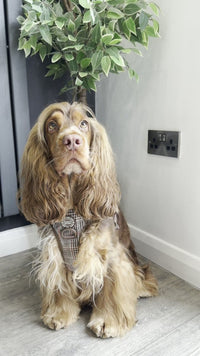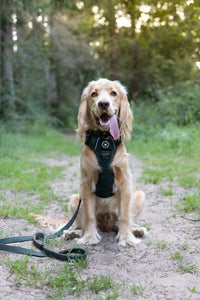












Most dogs shed some hair all year round, and many go through heavier spells of shedding, often in spring and autumn as their coat changes for the season ahead. Dogs with a thick double coat usually make it most obvious. The best way to manage it is regular, gentle brushing with a tool that suits your dog's coat, plus a few habits at home. Shedding should leave a healthy-looking coat behind: if you see bald patches, sore skin or a lot of scratching, speak to your vet.
Here's what to expect from shedding season in the UK and how to stay on top of it.
When is dog shedding season?
There's no fixed date, and every dog is different, but you may notice two busier spells:
- Spring: as the weather warms up, dogs with a thick winter coat let it go, and you may find tufts of soft undercoat everywhere.
- Autumn: as the lighter summer coat makes way for a warmer winter one, there's often another round of heavier shedding.
Between those spells, most dogs still shed a little, day to day. How much, and for how long, depends on your dog's coat type, age and health.
Thinking about a coat for your dog as the weather turns? Our guide do dogs need coats? looks at when one helps.
Which dogs shed the most?
Dogs with a double coat, a dense soft undercoat beneath a longer outer coat, tend to shed most noticeably when the seasons change. Labradors, Golden Retrievers, Huskies and German Shepherds are often mentioned. Dogs with a single, low-shedding coat, such as Poodles, shed far less hair around the house, but their coat keeps growing and needs regular grooming of a different kind.
| Coat type | What you might notice | Grooming focus |
|---|---|---|
| Short, smooth coat | Fine hairs on clothes and furniture year round | A regular brush to lift loose hair |
| Double coat | Clumps of soft undercoat, especially in spring and autumn | More frequent brushing during heavy spells to clear loose undercoat |
| Long or feathered coat | Loose hair caught in the coat, and knots behind the ears and under the legs | Brushing and combing to keep tangles at bay |
| Curly, low-shedding coat | Little hair on the floor, but the coat can mat | Regular brushing and professional grooming |
Normal shedding or something else?
Normal seasonal shedding is fairly even across the body, and the coat underneath looks healthy. Speak to your vet if you notice:
- Bald or thin patches
- Red, flaky, sore or smelly skin
- Lots of scratching, licking or chewing at the coat
- Shedding that seems sudden or very different from your dog's usual pattern
- Any other change in your dog, such as low energy or a change in appetite
Hair loss can have many causes, so it's always worth getting a vet's opinion rather than guessing.
How to manage shedding season
Brush little and often
During a heavy spell, short, regular brushing sessions catch loose hair before it ends up on your sofa. Keep sessions calm and short, brush in the direction the coat grows, and reward your dog for standing nicely.
Use the right tool for the coat
A deshedding brush is designed to reach loose undercoat that an ordinary brush can leave behind, which makes it a useful tool for double-coated dogs during shedding season. Long and curly coats may also need a comb or slicker brush for tangles. For how a deshedding brush works and how often to use one, read our guide to deshedding brushes.
Be gentle
Use light strokes, take extra care around the legs, belly and anywhere bony, and stop if your dog seems uncomfortable. Don't press hard or keep going over the same patch of skin.
Brush outside when you can
On a dry day, brushing in the garden keeps the fur out of the house. Indoors, a hard floor or an old towel makes clearing up easier.

Our Deshedding Brush
Our Deshedding Brush has a rounded blade edge and a non-slip comfort grip, and it's easy to clean after each use. It's made for dogs, cats and horses, with short or long coats. As with any grooming tool, use light strokes and keep sessions short.
Keeping on top of the fur at home
- Wash your dog's bedding and throws regularly during heavy spells.
- Keep a lint roller by the door for clothes on the way out.
- Vacuum little and often rather than letting fur build up in corners.
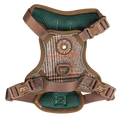
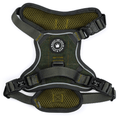
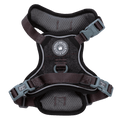
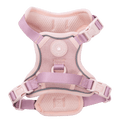
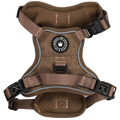
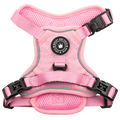
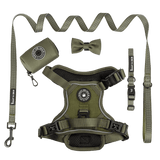
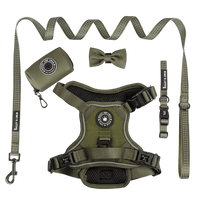
- Don't forget walking kit. Harnesses and collars collect loose hair too. Wash them on a cool wash, ideally inside our laundry bag.
Quick questions
When do dogs shed the most in the UK?
Many dogs shed most in spring and autumn as their coat changes for the season, but it varies from dog to dog, and most shed a little all year.
Why is my dog shedding so much in autumn?
For many dogs, autumn is when the summer coat makes way for a thicker winter one, so extra shedding is normal. If you also notice bald patches, sore skin or scratching, speak to your vet.
How often should I brush my dog during shedding season?
Short, regular sessions work best during a heavy spell. How often depends on your dog's coat. Our deshedding brush guide covers frequency in more detail.