
















It is one of the most debated topics among British dog owners: does your dog actually need a coat, or are you just dressing them up for your own amusement? The honest answer is that it depends. Some dogs genuinely benefit from a coat during the colder months, while others are perfectly comfortable without one. Breed, age, health, coat type, and even the region of the UK you live in all play a part.
This guide gives you everything you need to make an informed decision. We will look at which dogs benefit most from wearing a coat, which breeds rarely need one, how UK weather conditions affect your choice, and what to look for if you do decide to invest. We will also cover how your dog's walking gear, including their harness and lead, fits into the picture when layering up for winter walks.
No sales pitch here. Bailey & Coco does not sell dog coats, so this is purely about giving you the facts. Let us get into it.
Quick Answer
Not all dogs need coats. Small breeds, thin-coated breeds, elderly dogs, and puppies benefit most from a coat below 5°C. Double-coated breeds like Huskies, Retrievers, and Border Collies rarely need one. The honest answer depends on your dog's breed, age, and health.
What We Cover
- Which Dogs Benefit From Wearing a Coat?
- Which Dogs Rarely Need a Coat?
- Breed Coat Guide: Quick Reference Table
- UK Weather: Regional Considerations
- Signs Your Dog Is Cold
- What to Look for in a Dog Coat
- Alternatives to Dog Coats
- Getting Your Dog Used to Wearing a Coat
- Common Myths About Dogs and Coats
- When to Put a Coat on Your Dog: A Simple Checklist
- Frequently Asked Questions
Which Dogs Benefit From Wearing a Coat?
Not every dog needs a coat, but certain groups of dogs are genuinely more vulnerable to the cold. If your dog falls into any of the categories below, a coat could make a real difference to their comfort and wellbeing during the winter months.
Small Breeds
Small dogs lose body heat faster than larger breeds because of their higher surface-area-to-volume ratio. Breeds such as Chihuahuas, Miniature Dachshunds, Yorkshire Terriers, and Toy Poodles simply do not have the bulk to retain warmth when temperatures drop. If you own a small dog, you have probably noticed them shivering on cold mornings or reluctantly stepping outside when it is wet and windy.
A well-fitted coat can help these little dogs maintain their core temperature, especially on longer walks. If you are looking for gear suited to smaller breeds, our guide to the best collars for small dogs covers how to find the right fit.
Thin-Coated and Single-Coated Breeds
Dogs with thin or single-layered coats lack the insulating undercoat that double-coated breeds rely on. Whippets, Greyhounds, Italian Greyhounds, Boxers, and Staffordshire Bull Terriers are classic examples. Their short, fine fur offers very little protection against cold winds and rain.
Greyhounds and Whippets, in particular, are notorious for feeling the cold. Their lean body composition means they have minimal body fat to act as insulation. A coat is not a luxury for these breeds; it is a practical necessity from around October through to March in most parts of the UK.
Brachycephalic (Flat-Faced) Breeds
Flat-faced breeds such as French Bulldogs, Pugs, and Boston Terriers can struggle with temperature regulation in both hot and cold weather. Their shortened airways make it harder for them to warm incoming air efficiently, which means they can feel the chill more acutely than you might expect. A lightweight, well-ventilated coat can help these breeds stay comfortable without overheating.
Elderly Dogs
As dogs age, their ability to regulate body temperature declines. Older dogs are also more likely to suffer from arthritis, and cold, damp conditions can worsen joint stiffness and pain. A warm coat can help an elderly dog stay more comfortable during winter walks and reduce the impact of cold weather on their joints.
This applies regardless of breed. Even a Labrador or German Shepherd that never needed a coat in their younger years may appreciate one as a senior.
Puppies
Very young puppies have not yet developed the ability to regulate their body temperature effectively. Their smaller bodies and thinner coats make them susceptible to cold, particularly during their first autumn and winter. A light coat can help keep a puppy warm during short outdoor outings and toilet trips.
Top Tip
For puppies, choose a coat with Velcro fastenings rather than buckles. Velcro is quicker to put on, adjustable as your puppy grows, and far less stressful during those early coat-wearing sessions.
Dogs With Health Conditions
Certain medical conditions can make dogs more sensitive to the cold. Hypothyroidism, Cushing's disease, kidney disease, and recent surgery or illness can all reduce a dog's ability to stay warm. Dogs recovering from operations may have shaved areas where their coat offers no protection at all. If your dog has an ongoing health condition, it is worth discussing cold weather management with your vet.
Which Dogs Rarely Need a Coat?
On the other side of the debate, many dogs are built for cold weather and will be perfectly comfortable without a coat, even in the depths of a British winter.
Double-Coated Breeds
Breeds with thick double coats have a dense undercoat that provides excellent insulation. Huskies, Malamutes, Samoyeds, Bernese Mountain Dogs, Newfoundlands, and Akitas are all examples of dogs that thrive in cold conditions. Their coats are designed to trap warm air close to the body and repel moisture from the outer layer.
Adding a coat to a double-coated breed can actually be counterproductive. It may compress their natural insulation, cause overheating, or make them uncomfortable. Unless your double-coated dog is elderly or unwell, they will almost certainly prefer to go without.
Working and Sporting Breeds
Many working breeds, such as Border Collies, Springer Spaniels, Labradors, and Golden Retrievers, have weather-resistant coats that were developed for outdoor work in all conditions. These dogs are generally well-equipped to handle UK winters, especially if they are active and in good health.
That said, even working breeds can benefit from a coat if they are standing still for extended periods in very cold or wet weather, rather than actively moving.
Large, Heavy-Set Breeds
Larger dogs with a good layer of body fat and a thick coat, such as Rottweilers, St Bernards, and Great Pyrenees, tend to retain heat well. Their body mass works in their favour, and they rarely need extra insulation for standard UK weather.
Breed Coat Guide: Quick Reference Table
This table gives you an at-a-glance view of how different breed categories respond to cold weather and whether a coat is recommended.
| Breed Category | Coat Type | Temperature Threshold | Coat Recommendation |
|---|---|---|---|
| Small breeds (Chihuahua, Yorkie, Toy Poodle) | Single / thin | Below 7°C | Yes |
| Sighthounds (Greyhound, Whippet, Lurcher) | Very thin / single | Below 10°C | Yes |
| Brachycephalic (French Bulldog, Pug, Boston Terrier) | Short / single | Below 7°C | Yes |
| Medium breeds (Staffie, Boxer, Vizsla) | Short / single | Below 5°C | Yes |
| Dachshunds (Miniature and Standard) | Short or long / single | Below 7°C | Yes |
| Sporting breeds (Labrador, Springer, Golden Retriever) | Double / medium | Below 0°C | Sometimes |
| Working breeds (Border Collie, German Shepherd) | Double / thick | Below -5°C | Rarely |
| Arctic breeds (Husky, Malamute, Samoyed) | Dense double | Below -10°C | Rarely |
| Elderly dogs (any breed) | Varies | Below 7°C | Yes |
| Puppies (under 6 months) | Varies | Below 7°C | Yes |
Temperature thresholds are general guidelines. Wind chill, rain, and the length of time spent outdoors will all affect your dog's comfort level.
UK Weather: Regional Considerations
The UK is a relatively small country, but the climate varies significantly from region to region. Where you live should influence whether and when you reach for your dog's coat.
Scotland and Northern England
The Scottish Highlands and northern regions of England regularly see temperatures drop below freezing between November and March. Wind chill can make it feel significantly colder, particularly in exposed areas. If you live in Scotland or the north of England and your dog falls into any of the vulnerable categories listed above, a coat is a sensible investment from October onwards. For guidance on when it is simply too cold to walk at all, see our guide on how cold is too cold to walk your dog.
The Midlands and Wales
The Midlands and Wales experience a mix of cold, damp winters with regular rainfall. Temperatures hover around 2 to 7 degrees Celsius for much of winter, and the wet conditions can make things feel colder than the thermometer suggests. A waterproof coat is particularly useful in these areas, where drizzle and persistent rain are the norm rather than the exception.
Southern England and London
The south of England and London tend to be milder, but that does not mean dogs are immune to the cold. Urban environments can create wind tunnels, and early morning walks in January and February can still see temperatures around 0 to 4 degrees Celsius. Small breeds and thin-coated dogs will still benefit from a coat during the coldest months, even in London.
Coastal Areas
Coastal regions across the UK have their own challenges. While coastal areas tend to be slightly warmer than inland locations, the wind coming off the sea can be biting, especially in winter. If you regularly walk your dog along the coast, consider a waterproof lead alongside a windproof coat to keep both of you comfortable.
Signs Your Dog Is Cold
Dogs cannot tell you they are cold, but they do show clear signs. Learning to read these signals will help you decide whether your dog needs a coat, and when to cut a walk short.
Shivering or Trembling
The most obvious sign. If your dog is visibly shivering, they are cold. Bring them inside or put a coat on them immediately. Persistent shivering in mild conditions could indicate a health issue, so consult your vet if it happens regularly.
Reluctance to Go Outside
If your normally enthusiastic dog suddenly hesitates at the front door or pulls towards home during a walk, they may be telling you they are uncomfortable with the temperature. This is especially common in small and thin-coated breeds during winter.
Tucking the Tail and Hunching
A dog that tucks its tail between its legs and hunches its body is trying to conserve heat. This posture reduces their exposed surface area and is a clear indicator that they are feeling the cold.
Lifting Paws Off the Ground
Cold ground, especially frozen pavements or frosty grass, can be uncomfortable for dogs' paws. If your dog starts lifting their paws or shifting their weight from foot to foot, the ground temperature is bothering them.
Seeking Warmth
If your dog burrows under blankets, presses against radiators, or curls up tightly rather than sprawling out, they are cold. These behaviours at home suggest they will also need extra warmth when heading outdoors.
Slowing Down on Walks
A dog that normally trots happily but starts walking slowly, lagging behind, or seeming lethargic during cold weather is likely uncomfortable. This is particularly worth noting in older dogs, where cold-related stiffness can mimic or worsen arthritis symptoms.
Important
Prolonged shivering, lethargy, and pale gums can indicate the early stages of hypothermia. If your dog shows these signs, wrap them in a warm blanket and contact your vet immediately.
What to Look for in a Dog Coat
If you have decided your dog would benefit from a coat, choosing the right one matters. A poorly fitted coat can cause rubbing, restrict movement, or even create anxiety. Here is what to consider.
Fit and Sizing
The coat should cover your dog's back from the base of the neck to the base of the tail without restricting their shoulders, hips, or legs. It should be snug enough to stay in place but loose enough for your dog to move freely, sit, lie down, and do their business without any restriction.
Measure your dog's back length (base of neck to base of tail), chest girth (widest part around the ribcage), and neck circumference before ordering. Every brand sizes differently, so never assume your dog's size based on breed alone.
Waterproofing
In the UK, a waterproof or at least water-resistant coat is essential. A coat that soaks through in the rain is worse than no coat at all, as wet fabric against skin draws heat away faster. Look for coats with a waterproof outer shell and sealed seams.
Warmth Without Bulk
The best dog coats provide insulation without being bulky. Fleece-lined coats offer good warmth for mild cold, while padded or quilted coats are better for harsher conditions. Avoid coats that are so thick they restrict movement or make your dog overheat during active walks.
Visibility
Winter walks often happen in low light. A coat with reflective strips or a bright colour can make your dog much more visible to drivers and cyclists during early morning and evening walks.
Easy On, Easy Off
If putting the coat on is a battle, you are less likely to use it. Look for designs with simple Velcro fastenings or clip closures that allow you to dress your dog quickly without stress. Avoid coats that need to be pulled over the head, as many dogs dislike this.
Harness Compatibility
This is a point many owners overlook. If your dog wears a harness, you need a coat that works with it. There are two main approaches:
- Coat over harness: Put the harness on first, then layer the coat on top. This works best with coats that have a wide neck opening or a zip-up design. The downside is that you cannot easily access the harness D-ring for lead attachment without opening the coat.
- Coat under harness: Put the coat on first, then fit the harness over the top. This keeps the harness D-ring accessible and means you can clip your lead on without fuss. The key is ensuring the harness still fits correctly over the coat without being too tight.
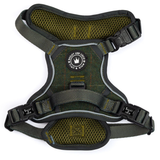
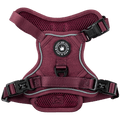
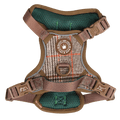
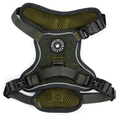
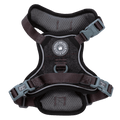
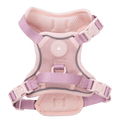
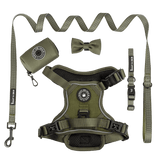
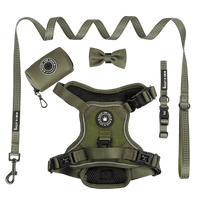
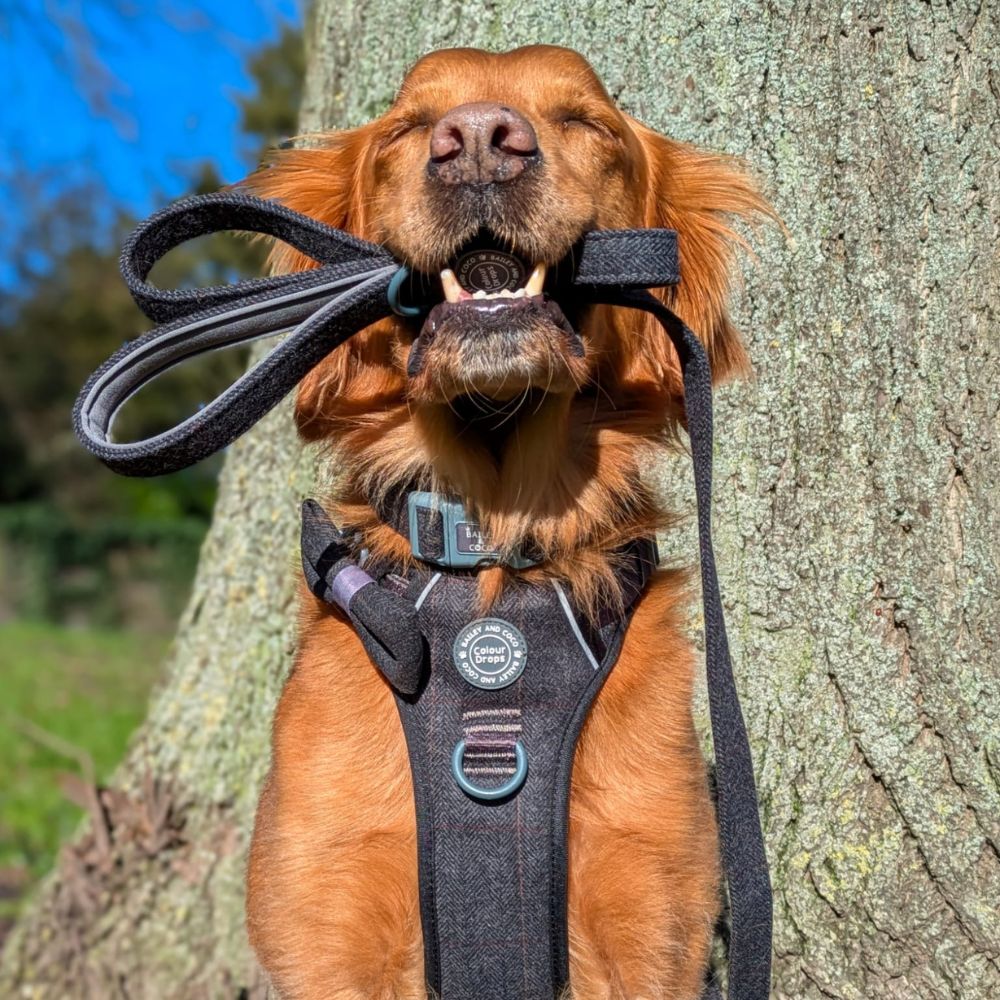
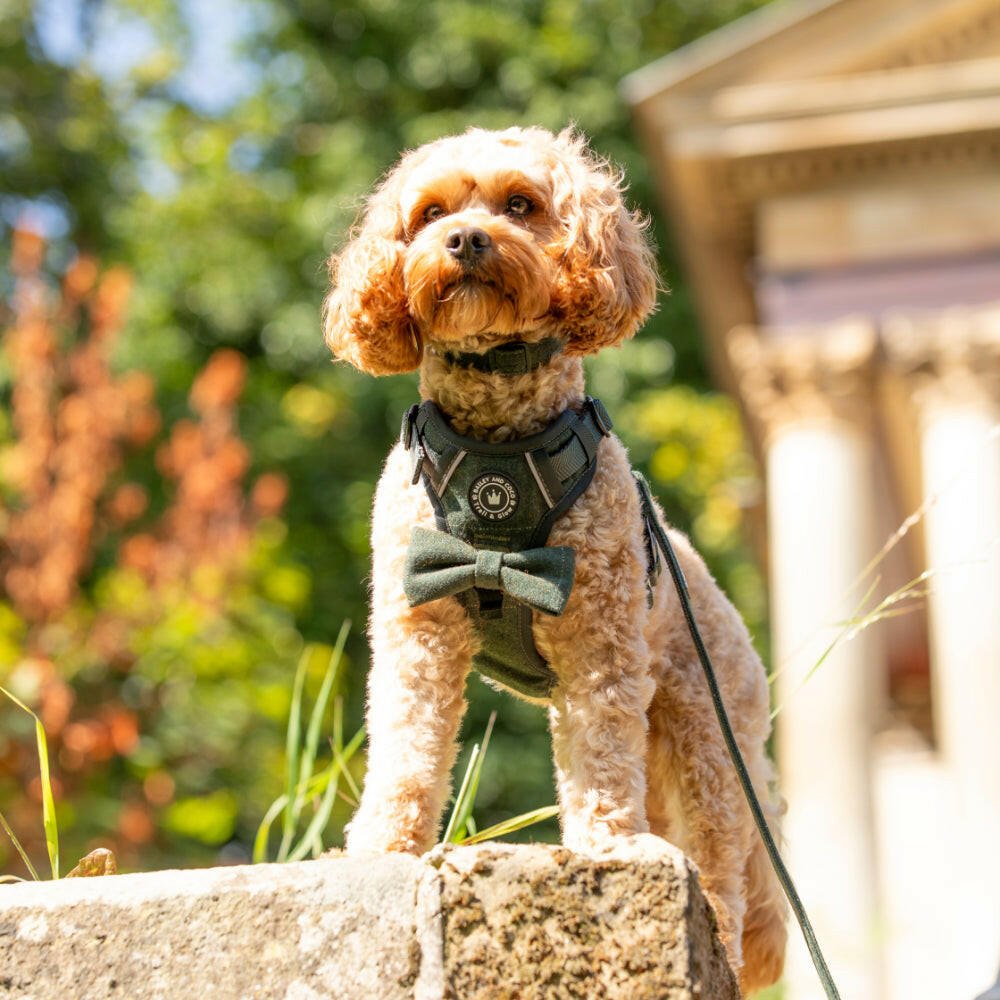
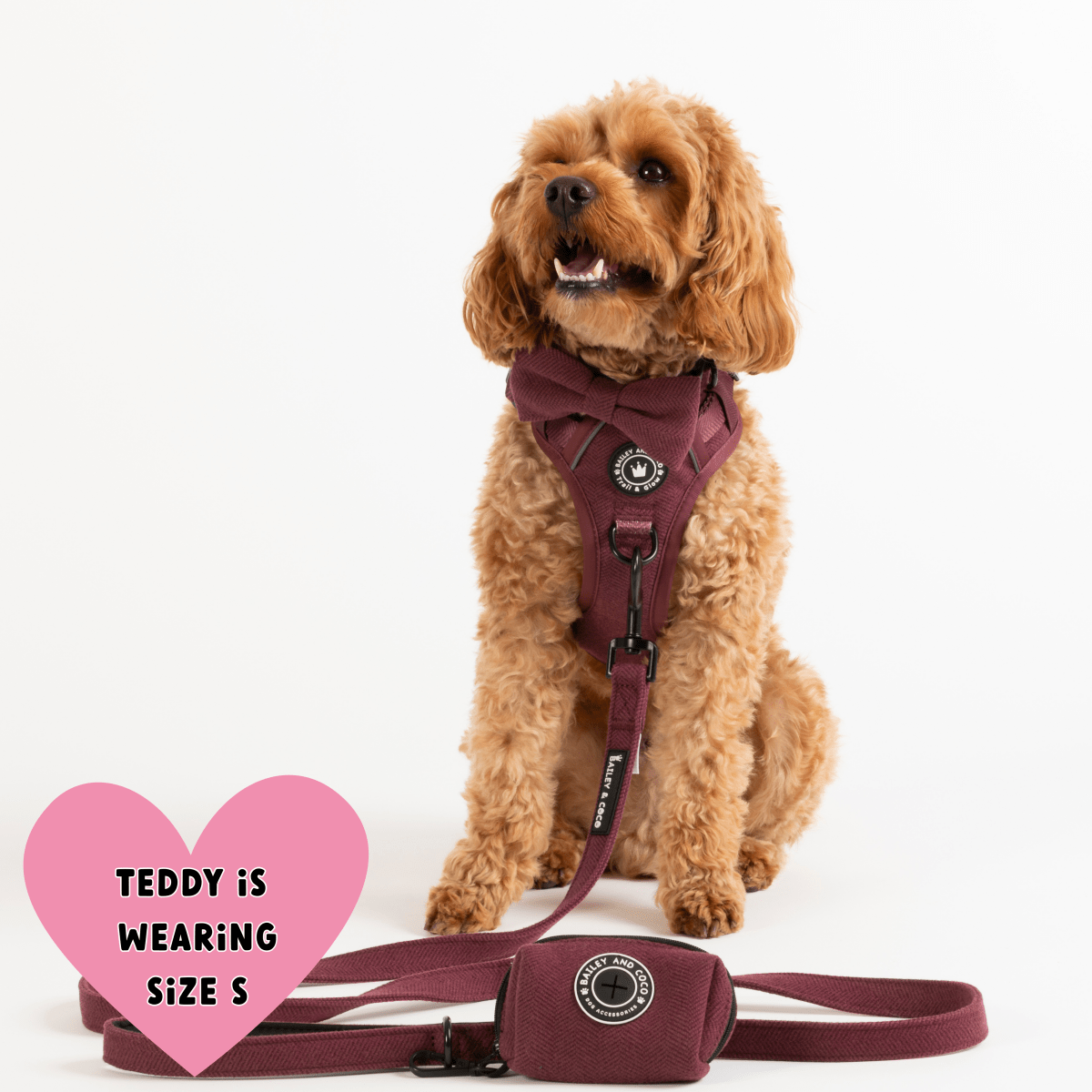
A well-fitted harness, like the ones in the Bailey & Coco harness range, should allow comfortable layering either way. If your Dachshund or Pug needs a coat, make sure to test the harness fit with the coat on before heading out.
Top Tip
Make sure the coat fits around your dog's harness. A coat that covers the harness clip point defeats the purpose. Bailey and Coco harnesses are designed to sit comfortably under most dog coats.
Alternatives to Dog Coats
A coat is not the only way to keep your dog warm during the colder months. Here are some practical alternatives and complementary strategies.
Shorter, More Frequent Walks
Instead of one long walk in freezing conditions, consider two or three shorter outings. This limits your dog's exposure to the cold while still giving them the exercise and stimulation they need. For advice on when to shorten walks or stay home altogether, our guide on how cold is too cold to walk your dog in the UK has detailed temperature guidance.
Indoor Warmth and Enrichment
On the very coldest days, supplement outdoor walks with indoor activities. Puzzle feeders, training sessions, and indoor games can tire your dog out mentally without exposing them to harsh weather. Make sure your home is warm and provide a cosy bed away from draughts.
Paw Protection
While this guide focuses on coats, do not forget about paws. Road salt and grit can irritate your dog's pads, and ice can cause cracking. Paw balm applied before walks creates a protective barrier, and rinsing paws with warm water afterwards removes salt residue.
The Right Walking Gear
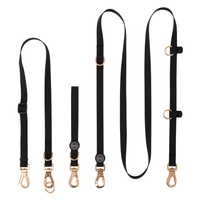
Cold weather walking is about more than just your dog's coat. A reliable lead that is comfortable to grip even with gloves, a well-fitted harness that does not shift or rub, and a sturdy collar with clear ID are all essential parts of the winter walking kit. If your walks take you through wet and muddy terrain, a waterproof lead is worth considering as it will not absorb water, get heavy, or develop that distinctive damp-dog-lead smell.
Getting Your Dog Used to Wearing a Coat
Not every dog takes to wearing a coat straight away. Some freeze in place, try to shake it off, or roll on the ground to remove it. The key is patience and positive association.
Start indoors. Let your dog sniff the coat, then drape it over their back without fastening it and reward them with treats. Gradually build up to fastening the coat and wearing it around the house for short periods. Put the coat on just before activities they love, such as walks or playtime, so they learn to associate it with good things.
Keep early sessions to five or ten minutes and increase gradually. If your dog shows signs of distress, such as excessive panting, lip licking, or trying to bite the coat off, remove it and try again another day. Forcing the issue does more harm than good.
Top Tip
Start with short indoor sessions. Let your dog wear the coat for 5 to 10 minutes at home before trying it on a walk. Pair it with treats so they associate the coat with positive experiences.
Common Myths About Dogs and Coats
There is plenty of misinformation out there. Here are the most common myths, debunked.
"All dogs have fur, so no dog needs a coat." This ignores the enormous variation in coat types across breeds. A Chihuahua's thin single coat provides nowhere near the insulation of a Husky's dense double coat. Breed matters enormously.
"Dog coats are just a fashion statement." While there is a fashion element, the practical benefits for vulnerable dogs are well-established. Veterinary organisations including the RSPCA and the BVA acknowledge that certain dogs benefit from wearing coats in cold weather.
"If a dog is moving, they will not get cold." Activity generates heat, but it does not make a dog immune to the cold. A thin-coated dog on a windy, wet January walk will still feel the chill. The risk increases the moment they stop moving.
"Putting a coat on a double-coated dog is harmless." It is not necessarily harmful, but it can be counterproductive. A coat can compress a double-coated dog's natural insulation, reducing its effectiveness, and may cause overheating during active exercise. For most double-coated breeds, their natural coat is the best coat they could wear.
Top Tip
If you are unsure whether your dog needs a coat, try one walk with and one without in similar conditions. Watch their body language closely. Dogs that benefit from a coat will be visibly more relaxed, walk for longer, and show fewer signs of cold stress.
When to Put a Coat on Your Dog: A Simple Checklist
Still not sure? Run through this quick checklist before your next cold weather walk:
- Is the temperature below 7 degrees Celsius? If your dog is small, thin-coated, elderly, very young, or has a health condition, consider a coat.
- Is it raining or very windy? Wind chill and wet fur dramatically increase heat loss. A waterproof coat is especially useful in these conditions.
- Will the walk last more than 15 to 20 minutes? Short toilet trips may not require a coat, but longer walks in cold weather almost certainly do for vulnerable dogs.
- Has your dog shown signs of being cold on recent walks? Shivering, reluctance, or slowing down are your dog's way of telling you they need extra warmth.
- Is your dog recovering from illness or surgery? If so, err on the side of caution and use a coat until they are back to full health.
If you answered yes to two or more of these, a coat is a good idea. If your dog is a healthy, double-coated breed in their prime, they will probably be fine without one unless conditions are genuinely extreme.
Key Takeaways
- Small, thin-coated, elderly, and brachycephalic breeds benefit most from a dog coat below 5°C
- Double-coated and large working breeds rarely need a coat and may overheat in one
- Fit matters more than warmth; a poorly fitted coat restricts movement and causes rubbing
- Ensure the coat works with your dog's harness so both can be worn comfortably together
- Shorter, more frequent walks and proper walking gear are often more effective than a coat alone
Frequently Asked Questions
Do dogs really need coats in the UK?
It depends on the dog. Small breeds, thin-coated breeds such as Greyhounds and Whippets, elderly dogs, puppies, and dogs with health conditions can genuinely benefit from a coat during the colder months. Double-coated breeds like Huskies and Labradors rarely need one. The key factors are your dog's breed, coat type, age, health, and the specific weather conditions in your area.
At what temperature should I put a coat on my dog?
As a general guide, vulnerable dogs (small, thin-coated, elderly, young, or unwell) should wear a coat when temperatures drop below 7 degrees Celsius. Sighthounds like Greyhounds and Whippets may benefit from a coat below 10 degrees Celsius. Healthy, double-coated breeds typically do not need a coat until temperatures are well below freezing. Wind chill and rain should also be factored in.
Can I put a dog coat over a harness?
Yes, but it depends on the design of both the coat and the harness. Some coats have openings or slits for lead attachment over a harness. Alternatively, you can put the coat on first and fit the harness over the top, which keeps the D-ring accessible. Always check that the harness still fits correctly and is not too tight when layered with a coat.
Are dog coats bad for double-coated breeds?
In most cases, a coat is unnecessary for double-coated breeds and can be counterproductive. It may compress the natural insulating undercoat, reducing its effectiveness, and can cause overheating during exercise. However, elderly or unwell double-coated dogs may still benefit from a coat in very cold conditions. Use your judgement based on your individual dog's needs.
How do I know if my dog's coat fits properly?
A well-fitted coat should cover your dog's back from the base of the neck to the base of the tail without restricting their shoulders or legs. You should be able to fit two fingers comfortably between the coat and your dog's body. The coat should stay in place during movement without riding up, twisting, or causing rubbing at the neck or leg openings.
Should I put a coat on my dog for short toilet trips?
For very short outings of just a few minutes, most dogs will be fine without a coat, even in cold weather. However, if your dog is very small, elderly, or has a health condition, even a quick trip outside in freezing temperatures can cause discomfort. In those cases, a lightweight coat takes only seconds to put on and makes a real difference.
What is the best type of dog coat for UK weather?
Given the UK's wet and unpredictable climate, a waterproof coat with a warm lining is the most versatile choice. Look for a coat with a waterproof outer shell, fleece or quilted lining, reflective elements for visibility, and simple fastenings that are easy to use. A coat that is both waterproof and breathable will keep your dog dry without causing overheating.


