













Quick Answer
For most UK dog owners, a standard 5ft fabric or rope lead is the best all-round choice. Fabric leads are lightweight, stylish and start from £15. Rope leads offer a thicker grip and more durability for medium to large breeds. If you walk in wet weather regularly, add a waterproof lead to your collection. For dogs that pull, pair a double-ended lead with a front-clip harness for maximum control.
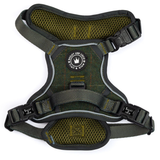
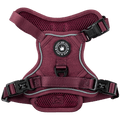
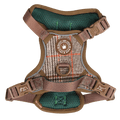
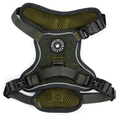
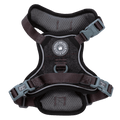
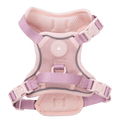
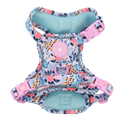
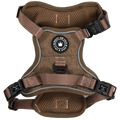
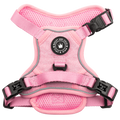
Explore our dog harness collection to find the right harness to pair with your lead.
Choosing the right dog lead is one of the most important decisions you will make as a dog parent. Whether you are walking a tiny terrier through the park or managing a boisterous Labrador on a busy high street, the lead in your hand affects your dog's comfort, your control, and the safety of everyone around you. With so many options on the market, from classic fabric leads to heavy-duty waterproof designs, finding the perfect match can feel overwhelming.
This guide breaks down every type of dog lead available in the UK for 2026, compares materials and lengths side by side, and helps you choose the best lead for your dog's breed, size, and lifestyle. We have also included our honest recommendations from the Bailey & Coco range, because we believe a great lead should look as good as it performs.
At Bailey & Coco, our leads are designed right here in the UK with British weather, British dog walks, and British style in mind. From our bestselling fabric leads starting at just £15 to our premium rope leads and fully waterproof options, every lead is built to last and crafted to turn heads.
What We Cover
- Types of Dog Leads: A Complete Overview
- Dog Lead Types Comparison
- How to Choose the Right Dog Lead
- Best Dog Lead by Breed
- Best Dog Leads by Activity
- Dog Lead Materials Explained
- Dog Lead Length Guide
- UK Dog Lead Laws
- Lead Safety Features
- Lead Care and Maintenance
- The Bailey and Coco Lead Range
- Frequently Asked Questions
Types of Dog Leads: A Complete Overview
Not all dog leads are created equal. Each type is designed for a specific purpose, and understanding the differences will help you pick the right one for your dog. Here is a quick breakdown of the seven main types of dog lead you will find in the UK.
Fabric Dog Leads
Fabric leads are the most popular choice for everyday dog walking across the UK. They are lightweight, comfortable to hold, and come in a huge range of colours and patterns. Bailey & Coco's fabric leads are made from durable polyester with a soft-touch finish, and they start from just £15. If you want a lead that looks stylish on your morning walk and handles weekend adventures with ease, a fabric lead is a reliable all-rounder.
Rope Dog Leads
Rope leads have surged in popularity over the past few years, and for good reason. They offer a premium feel in the hand, excellent durability, and a distinctive look that stands out at the dog park. Our rope dog leads are handcrafted with a robust braided construction that resists fraying even with the strongest pullers. Prices in our range sit between £19 and £26.
Waterproof Dog Leads
If you live in the UK, you need a lead that can handle rain. Waterproof dog leads are made from PVC-coated or biothane-style materials that repel water, resist mud, and wipe clean in seconds. They are ideal for wet weather walks, beach trips, and dogs who love to find every puddle going. Our waterproof leads are priced at £24 and are a genuine game-changer for autumn and winter.
Before heading out in freezing conditions, it is worth checking our guide on how cold is too cold to walk your dog, which includes a temperature safety chart and winter walking gear checklist.
Retractable Dog Leads
Retractable leads allow your dog to roam further while still giving you the option to lock the lead at a fixed length. They are popular with owners who want to give their dog more freedom in open spaces. However, they come with trade-offs: less control in busy areas, a bulky handle, and the risk of the cord snapping under pressure. For a full comparison, see our guide on retractable vs fixed leads.
Slip Leads
Slip leads combine the lead and collar into a single loop that tightens gently when your dog pulls and loosens when they walk calmly. They are widely used by vets, groomers, and professional dog trainers. Slip leads are excellent for quick outings and well-trained dogs, but they are not suitable for persistent pullers or dogs with neck sensitivities.
Long Line Leads
If you are working on recall training or want to give your dog room to explore safely in open fields, long dog leads are the answer. Ranging from 5 metres to 15 metres or more, long lines give your dog the feeling of freedom while keeping you firmly in control. They are particularly useful for puppies learning to come back when called.
Double-Ended Leads
Double-ended leads feature a clip at each end, allowing you to attach one end to a collar and the other to a harness for maximum control. They are also popular with owners who walk two dogs at once. If you have a dog that pulls or you need extra steering, a double-ended lead can make a real difference to your walking experience.
Dog Lead Types Comparison
This table gives you a quick side-by-side view of the main lead types so you can see which one suits your needs at a glance.
| Type | Best For | Length | Price Range | Weather Resistant |
|---|---|---|---|---|
| Fabric | Everyday walks, style | 4ft - 5ft | £15 - £18 | Moderate |
| Rope | Durability, strong dogs | 4ft - 6ft | £19 - £26 | Good |
| Waterproof | Rain, beach, muddy walks | 4ft - 5ft | £24 | Excellent |
| Retractable | Open spaces, freedom | 10ft - 26ft | £10 - £30 | Low |
| Slip | Training, quick outings | 4ft - 6ft | £8 - £20 | Varies |
| Long Line | Recall training, open fields | 15ft - 50ft | £12 - £25 | Varies |
| Double-Ended | Pullers, multi-point control | 4ft - 6ft | £15 - £25 | Varies |
How to Choose the Right Dog Lead
With so many lead types on the market, how do you narrow it down to the right one? Here are the four key factors to consider before you buy.
Your Dog's Size and Strength
This is the single most important factor. A small Chihuahua does not need the same lead as a fully grown German Shepherd. Smaller dogs do well with lightweight fabric leads that will not weigh them down. Medium breeds like Cockapoos and Spaniels thrive with standard 5ft leads (check our guide to the best leads for Cockapoos and Spaniels). Larger, stronger breeds like Labradors and Retrievers benefit from thicker rope leads or double-ended designs that give you better control (see our best leads for Labradors guide).
Your Typical Walking Activity
Where do you walk your dog most often? If it is pavements and local parks, a standard 5ft fabric or rope lead will serve you well. If you are regularly on the beach or hiking through muddy countryside, a waterproof lead is worth the investment. For training sessions in open fields, a long line gives you the reach you need without sacrificing control.
Your Dog's Breed and Temperament
Some breeds are natural pullers. If your dog lunges at squirrels or drags you towards every lamppost, consider a double-ended lead paired with a harness for better control. Calm, well-trained dogs may enjoy the simplicity of a slip lead. Puppies learning the ropes (quite literally) should start with a lightweight lead designed for their size; our puppy leads guide covers everything you need to know.
Material and Durability
The material of your lead determines how long it lasts and how it feels in your hand. Nylon fabric is lightweight and affordable. Rope is durable and offers a premium grip. Waterproof materials handle the worst of British weather without degrading. We go into detail on materials in the section below.
Top Tip
Own at least two leads: one for everyday walks and one for wet weather. A fabric or rope lead handles most days, while a waterproof lead saves your main lead from the worst of British rain. Rotating between two leads also extends the lifespan of both.
Best Dog Lead by Breed
Different breeds have different walking styles, energy levels and sizes. What works for a calm Cavalier King Charles Spaniel will not suit an energetic Border Collie. A lightweight fabric lead is perfect for a toy breed, but a strong puller like a young Labrador or Staffie needs something with more grip and a secure clip. This table maps the most popular UK breeds to their ideal lead type and length.
| Breed | Recommended Lead Type | Ideal Length | Key Consideration |
|---|---|---|---|
| Labrador Retriever | Rope or double-ended | 5ft | Strength and durability for pullers |
| Cockapoo | Fabric or rope | 5ft | Lightweight, comfortable grip |
| French Bulldog | Fabric (with harness, not collar) | 4ft - 5ft | Short enough to prevent overexertion |
| Cocker Spaniel | Waterproof or rope | 5ft | Easy-clean for muddy adventures |
| German Shepherd | Rope or double-ended | 5ft - 6ft | Heavy-duty hardware essential |
| Dachshund | Lightweight fabric | 5ft | Pair with harness to protect spine |
| Staffordshire Bull Terrier | Rope or double-ended | 4ft - 5ft | Strong clips and thick webbing |
| Whippet / Greyhound | Fabric or slip lead | 5ft - 6ft | Lightweight; avoid heavy rope |
| Pug | Lightweight fabric | 4ft - 5ft | Always use with harness, never collar |
| Golden Retriever | Rope or waterproof | 5ft - 6ft | Water-loving breed; waterproof ideal |
| Border Collie | Long line (training) + rope (daily) | 5ft daily, 15ft+ training | High energy; needs recall training space |
| Yorkshire Terrier | Lightweight fabric | 4ft - 5ft | Must use with harness (trachea risk) |
For breed-specific lead advice, see our guides for Cockapoos and Spaniels and Labradors. Pairing any lead with the right harness makes a big difference; see our dog harness buying guide for help choosing.
Best Dog Leads by Activity
Different activities call for different leads. Here is a quick guide to matching your lead to your routine.
Daily Walks
For your everyday morning and evening walks, a standard 5ft fabric or rope lead is the best choice. It keeps your dog close enough for control on pavements and through parks, while giving them enough room to sniff and explore. A fabric lead from Bailey & Coco (from £15) is perfectly suited for this. If you pair your walks with a harness, take a look at our dog harness buying guide for advice on getting the right fit.
Training
Training requires precision and control. A short, fixed lead (4ft to 5ft) works best for heel training and basic obedience. For recall work, switch to a long line lead so your dog can practise coming back to you at a distance without being fully off-lead. Slip leads are also popular for training sessions with well-behaved dogs, though they should be used with care and never as a correction tool. Our puppy lead training guide covers the step-by-step process from day one.
Running and Jogging
If you run with your dog, look for a lead with some shock absorption. Bungee-style leads feature a built-in elastic section that cushions sudden pulls and jolts, protecting both your arm and your dog's neck. Hands-free waist leads are another option for runners who want their arms free. Keep the length short (around 4ft) for safety near roads. Before running in cold weather, check our guide on how cold is too cold to walk your dog.
Multi-Dog Households
Walking two or more dogs at once can be chaotic without the right setup. Double-ended leads allow you to connect two dogs to a single lead. Alternatively, you can use a lead splitter that attaches to your main lead and branches into two clips. Either way, make sure each dog is comfortable and not being pulled off balance by the other.
Dog Lead Materials Explained
The material of your dog lead affects its durability, comfort, weather resistance, and overall feel. Here is a breakdown of the most common materials you will find in the UK.
Nylon
Nylon is the most widely used dog lead material in the world. It is lightweight, affordable, and available in virtually every colour and pattern imaginable. High-quality nylon leads are strong and resist wear well, though cheaper versions can fray over time. Bailey & Coco's fabric leads use a premium woven nylon that holds its colour wash after wash. The only downside is that nylon can absorb water in heavy rain, making it slightly heavier and slower to dry.
Rope
Rope leads are made from braided or twisted fibres, typically cotton, nylon, or a blend. They offer a chunky, satisfying grip that many dog owners prefer over flat nylon. Rope is naturally strong and handles pulling well without digging into your hand. Our rope dog leads collection features a range of colours and styles, all designed with comfort and durability in mind.
Waterproof (PVC / Biothane)
Waterproof leads are made from PVC-coated webbing or biothane, a material originally developed for equestrian use. They are completely resistant to water, mud, and odour. You can literally hose them down after a walk and they are good to go. For anyone who walks their dog in the British countryside, along the coast, or through muddy woodland, a waterproof lead is an essential bit of kit. Read our water resistant vs waterproof guide for a full material breakdown.
Neoprene Padding
Some leads feature neoprene-padded handles, which add a layer of cushioning for your hand. This is particularly useful if your dog is a puller, as it reduces friction and prevents rope burn. Neoprene is also water-resistant, so the handle stays comfortable even in the rain. If you walk for long distances or have a strong dog, a neoprene-padded handle is a worthwhile upgrade.
Dog Lead Materials Comparison
| Material | Durability | Comfort | Weather | Best For |
|---|---|---|---|---|
| Nylon (fabric) | Good | Good | Moderate (absorbs water) | Everyday walks, style-conscious owners |
| Rope | Very good | Excellent grip | Good (dries fairly quickly) | Strong dogs, premium feel |
| Waterproof (PVC/biothane) | Excellent | Good (can be stiff initially) | Excellent (fully waterproof) | Wet weather, beach, countryside |
| Neoprene (padded handle) | Good | Excellent (cushioned) | Good (water-resistant handle) | Pullers, long walks, comfort priority |
Dog Lead Length Guide
Lead length matters more than most people realise. Too short and your dog feels restricted; too long and you lose control. Here is when to use each length.
4ft Leads
A 4ft lead keeps your dog very close to your side. This is ideal for busy high streets, narrow pavements, and situations where you need maximum control. It is also a good choice for heel training. Many urban dog walkers in cities like London, Manchester, and Edinburgh prefer a 4ft lead for their daily commute walks.
5ft Leads
The 5ft lead is the UK standard and the most versatile option. It gives your dog just enough room to explore without straying too far. Whether you are walking through a park, along a canal towpath, or around your neighbourhood, a 5ft lead strikes the perfect balance between freedom and control. Most Bailey & Coco leads come in a 5ft length for exactly this reason.
6ft Leads
A 6ft lead offers slightly more freedom and is popular for casual countryside walks and larger dogs who benefit from a bit of extra room. It is also a common choice for basic obedience training, as it gives you enough length to practise recall at short distances.
Long Lines (15ft+)
Long lines are not for everyday walking. They are specialist training tools designed for recall practice in open spaces like fields and beaches. They give your dog the sensation of being off-lead while keeping you in control. If your dog is not yet reliable off-lead, a long line is safer than letting them roam free, especially given the dog lead laws in the UK that apply in certain areas.
UK Dog Lead Laws
There is no single national law in the UK that requires dogs to be on a lead at all times. This surprises many owners who assume lead use is compulsory everywhere. In reality, the picture is more nuanced, with several laws and local regulations covering specific situations where leads are mandatory. Every dog owner should know these rules to avoid fines and keep their dog safe.
The Road Traffic Act 1988 states that a dog must not be on a designated road (a road with a speed limit) without being held on a lead. This applies across England, Scotland and Wales. The law does not specify a maximum lead length, but a standard 5ft lead is the sensible choice near traffic.
Public Spaces Protection Orders (PSPOs) allow local councils to designate areas where dogs must be kept on leads. These areas commonly include playgrounds, sports pitches, cemeteries, car parks and some parks. Fines for breaching a PSPO can be up to £1,000. Check your local council's website for specific restrictions in your area.
The Dogs (Protection of Livestock) Act 1953 makes it an offence for a dog to worry livestock on agricultural land. In practice, this means your dog must be under close control near sheep, cattle and horses. A lead, or at minimum a long line, is the safest way to comply when walking through farmland.
The Countryside Code advises keeping dogs on a lead around farm animals and during bird nesting season (1 March to 31 July). While this is guidance rather than law, following it keeps your dog safe and avoids conflicts with farmers and landowners.
Important
Under the Control of Dogs Order 1992, every dog in a public place must wear a collar with the owner's name and address. A harness alone does not satisfy this requirement. Even if your dog walks on a harness, they should also wear a collar with an ID tag at all times.
For a full breakdown of every relevant regulation, read our dedicated guide to dog lead laws in the UK.
Lead Safety Features
A lead is a safety device as much as a walking tool. The right safety features can prevent accidents, escapes, and injuries. Here are the features that make the difference between a reliable lead and one that could let you down at the worst moment.
Reflective elements: During the UK's dark winter months, reflective stitching or strips on your lead make you and your dog visible to traffic from a distance. Combined with a reflective harness or collar, this significantly reduces the risk of accidents on early morning and evening walks.
Padded handles: If your dog is a puller, a padded handle prevents rope burn and hand fatigue on longer walks. Neoprene padding is the most common and adds barely any weight. Your hands will thank you after a 45-minute walk with an enthusiastic Labrador.
Lockable clips: A standard trigger clip can sometimes open under sustained sideways pressure. Lockable clips require a deliberate two-step action to release, making them far more secure for strong dogs and reactive dogs who may lunge unexpectedly. Look for leads that specify a lockable or carabiner-style clip.
Double-clip security: For dogs that are escape artists or have a history of slipping their collar, a double-ended lead clipped to both a collar and harness provides two independent attachment points. If one fails, the other holds. This is the safest configuration for walking near roads or in other high-risk environments.
Top Tip
Test your lead clip by pulling firmly on it before each walk. Clips can weaken over time, especially cheaper zinc alloy versions exposed to salt water or mud. If the clip feels loose or does not spring back firmly, replace the lead immediately.
Lead Care and Maintenance
A well-maintained lead lasts far longer and stays safe to use. Neglected leads develop weak points at the clip attachment, fraying at the handle, and corrosion on the hardware. A few minutes of care after each walk prevents these issues. Here is how to care for each material type.
Fabric and nylon leads: Machine wash on a cold, gentle cycle inside a mesh laundry bag. Use a mild detergent and avoid fabric softener, which can weaken the fibres over time. Hang to dry. Never tumble dry, as heat can shrink the webbing and warp any plastic components.
Rope leads: Hand wash with warm soapy water and rinse thoroughly. Rope can retain soap residue, so rinse twice if needed. Squeeze out excess water (do not wring, as this can distort the braid) and hang to dry in a well-ventilated area.
Waterproof leads: Simply wipe down with a damp cloth after each walk. For a deeper clean, use warm soapy water and rinse. These leads dry almost instantly, which is one of their biggest advantages.
When to replace: Inspect your lead regularly for fraying, especially near the clip attachment point and the handle. Check the clip mechanism for looseness or corrosion. If the stitching is coming undone or the clip no longer snaps shut firmly, replace the lead. For daily walkers, budget for a new lead every 12 to 18 months. Dogs who pull heavily or swim regularly may wear through a lead faster.
Top Tip
After beach walks, always rinse your lead in fresh water to remove salt. Salt corrodes metal hardware faster than anything else. A quick rinse under the tap takes 30 seconds and can add months to your lead's lifespan.
The Bailey & Coco Lead Range
We are proud of our lead collection and we think it speaks for itself. Every Bailey & Coco lead is designed with UK dog parents in mind: stylish enough for the school run, tough enough for a rainy Sunday hike. Here is what we offer.
Fabric Dog Leads (£15 - £18)
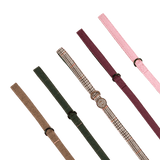
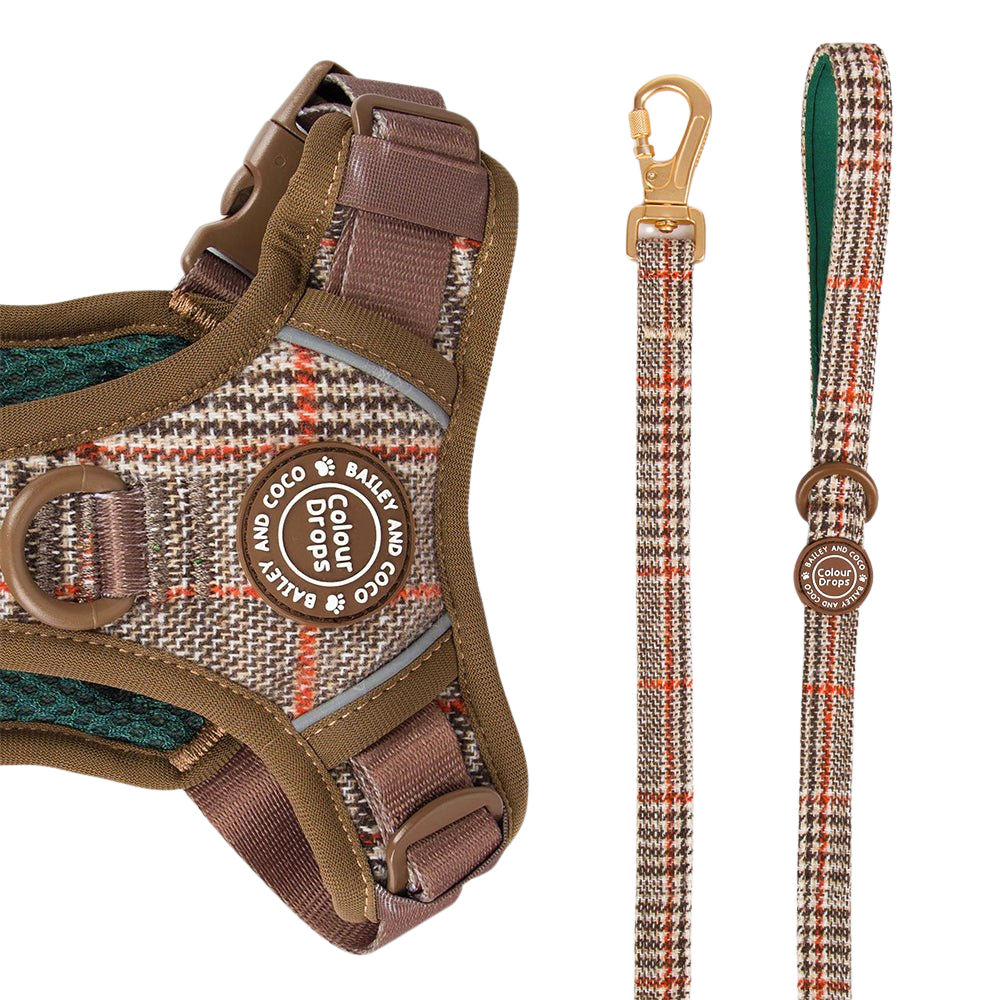
Our fabric leads are the backbone of the collection. Available in a wide range of patterns including our bestselling Lavender Tweed, Charcoal Tweed, Mulberry Tweed, and Heritage Plaid designs, they are lightweight, comfortable, and seriously good-looking. Each lead is 5ft long with sturdy hardware that clips securely onto any collar or harness. At £15 to £18, they are genuinely affordable for a premium product. Browse the full range in our dog leads collection.
Rope Dog Leads (£19 - £26)
Our rope leads offer a step up in thickness and durability, making them ideal for medium to large breeds and dogs who pull. The braided construction feels substantial in your hand and holds up beautifully over time. With prices from £19 to £26, they sit in the sweet spot between everyday affordability and premium quality. Explore our full rope dog leads collection.
Waterproof Dog Leads (£24)
Our waterproof leads are built for British weather. Rain, mud, sand, sea water: nothing sticks, nothing stains, and nothing smells. At £24, they are a smart investment for any dog parent who refuses to let a bit of rain cancel walkies. Wipe them down, hang them up, and they are ready for tomorrow. See the full waterproof dog leads collection.
Lead & Collar Sets (£37)
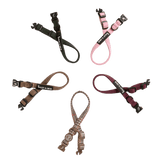
Want a perfectly coordinated look? Our lead and collar sets pair a matching lead and collar in the same pattern for one bundled price of £37. It is a brilliant way to give your dog a polished, put-together look without the hassle of mixing and matching. Check out the full lead and collar sets.
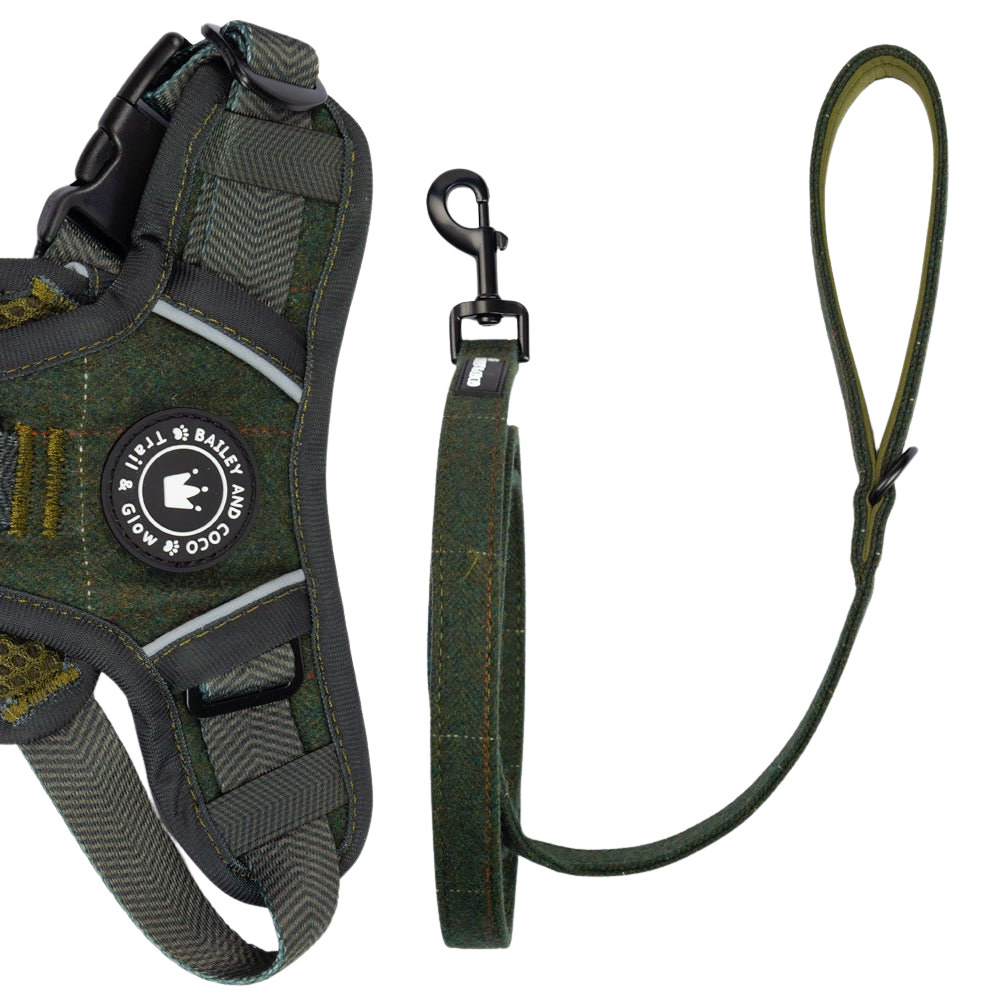
Complete your walking setup with a matching collar and harness, or explore our bundle sets for the best value.
Key Takeaways
- A 5ft fabric or rope lead is the best all-round choice for most UK dog owners and daily walking routines
- Match your lead type to your dog's breed, size and walking environment for the best experience
- Waterproof leads are a smart investment for British weather and require almost no maintenance
- UK law requires leads on roads, near livestock and in many public spaces; check your local council's PSPOs
- Inspect your lead's clip and stitching regularly; replace at the first sign of wear, fraying or hardware corrosion
Frequently Asked Questions
What is the best type of dog lead?
The best type of dog lead depends on your dog's size, your walking environment, and your personal preferences. For most UK dog owners, a standard 5ft fabric or rope lead is the perfect all-rounder. Fabric leads are lightweight, stylish, and great for everyday walks. Rope leads are thicker and more durable, making them ideal for medium to large breeds. If you walk in wet weather regularly, a waterproof lead is a worthwhile upgrade.
What length dog lead should I get?
A 5ft lead is the most versatile and popular length in the UK. It gives your dog enough room to explore without letting them stray too far. Choose 4ft if you walk in busy urban areas and need tight control. Go for 6ft if you prefer a more relaxed walk with a bit of extra slack. Long lines (15ft and above) are best kept for training sessions in open spaces only.
Are rope leads better than fabric leads?
Neither is objectively better; they serve slightly different purposes. Rope leads are thicker, offer a more substantial grip, and tend to be more durable for larger dogs. Fabric leads are lighter, come in more patterns and colours, and are often more affordable. For small to medium breeds, a fabric lead is usually perfect. For medium to large breeds or strong pullers, a rope lead may be the better choice. Many dog parents own one of each.
Do I need a waterproof dog lead?
If you live in the UK, a waterproof lead is a genuinely useful addition to your collection. British weather is unpredictable, and a standard fabric or rope lead can get soggy, heavy, and smelly after a rainy walk. Waterproof leads repel water entirely, resist mud, and wipe clean in seconds. They are especially valuable for beach walks, countryside hikes, and the wetter months of the year.
What is the law on dog leads in the UK?
There is no single national law requiring dogs to be on a lead at all times. However, the Road Traffic Act 1988 requires dogs to be on a lead on designated roads. Local councils can impose Public Spaces Protection Orders (PSPOs) requiring leads in specific areas, with fines up to £1,000. The Dogs (Protection of Livestock) Act requires dogs to be under control near farm animals. Always check your local dog lead laws.
Can I use a slip lead for everyday walks?
You can, but it depends on your dog. Slip leads work well for calm, well-trained dogs who walk nicely on the lead. They are quick to put on and take off, which makes them convenient for short outings. However, they are not recommended for dogs that pull heavily, as the tightening action can put pressure on the neck and throat. If your dog is a puller, a standard lead paired with a harness is a safer and more comfortable option.
How do I stop my dog pulling on the lead?
Start by using the right equipment: a well-fitted harness with a front clip combined with a double-ended lead gives you much more control than a collar alone. Then work on training. Stop walking every time your dog pulls and only move forward when the lead is loose. Reward calm walking with treats and praise. Consistency is key. If the pulling is severe, consider working with a qualified dog trainer. Avoid retractable leads, as they can actually encourage pulling behaviour.
What lead do dog trainers recommend?
Most professional UK dog trainers recommend a fixed-length lead between 4ft and 6ft for everyday use. For training sessions, a long line of 15ft to 30ft is commonly used for recall practice. Many trainers prefer flat fabric or rope leads over retractable designs because they offer consistent tension and better communication between handler and dog. For dogs that pull, trainers often recommend a double-ended lead paired with a front-clip harness.
What is the strongest dog lead material?
For raw breaking strength, biothane and heavy-duty nylon rope leads are the strongest materials commonly available in the UK. Biothane leads are virtually indestructible and fully waterproof. Braided rope leads offer excellent strength with a comfortable grip. For most dogs, any quality lead made from nylon, rope, or biothane will be more than strong enough. The weak point is usually the clip and stitching, not the material itself, so always check hardware quality when choosing a lead for strong dogs.
How long should a dog lead be for a puppy?
For a puppy's first lead, a lightweight 4ft to 5ft fabric lead is ideal. This length keeps your puppy close enough for guidance without being so short that it feels restrictive. Avoid long lines until your puppy has basic lead manners. As your puppy grows and you begin recall training, you can introduce a long line of 10ft to 15ft in safe, enclosed spaces. Our puppy leads guide covers the full process from first lead to confident walking.
Still have questions about choosing the right lead? Explore our full dog leads collection, pair yours with a matching collar and harness, or contact our team for personalised advice. For walk frequency guidance, check our guide to how often you should walk your dog.
New from Bailey & Coco
Browse our phone case collection - 24 bold designs for iPhone 14 to 17 Pro Max


