











If you have ever watched a vet calmly loop a lead over a dog's head and guide them into the consulting room, you have probably seen a slip lead in action. These simple, loopable leads have been part of the dog world for centuries, yet they remain one of the most misunderstood pieces of equipment a dog owner can pick up. Some trainers swear by them. Others warn against them entirely. So what is the truth about slip leads, and should you be using one?
In this guide, we break down everything you need to know about slip leads for dogs: how they work, when they are appropriate, when they are not, and why most pet owners are better served by a well-made standard lead for everyday walks. Whether you are considering a slip lead for training or simply curious about the different lead types available, this article will give you the balanced, honest information you need to make the right choice for your dog.
What Is a Slip Lead?
A slip lead is a single piece of rope or cord that combines the lead and collar into one unit. One end forms an adjustable loop that slides over the dog's head and tightens when tension is applied. When the dog pulls, the loop constricts around the neck. When the dog relaxes, the loop loosens. There is no separate collar, no clip, and no buckle. It is the simplest lead design in existence.
The design typically features a small metal or plastic ring at one end through which the rope passes to create the sliding loop. Some slip leads include a leather or rubber "stopper" that can be positioned behind the dog's ears to prevent the loop from loosening too much, while others are completely free-sliding.
This self-adjusting mechanism is what makes slip leads fundamentally different from a standard lead and collar combination. With a standard lead, the collar stays at a fixed size regardless of the dog's behaviour. With a slip lead, there is a direct physical consequence, tightening, when the dog pulls against it.
A Brief History of the Slip Lead
Slip leads are far from a modern invention. Their origins trace back to working dog culture, where speed and simplicity were essential. Shepherds, gamekeepers, and farmers needed a way to quickly catch and control dogs without fumbling with buckles and clips. A simple rope with a sliding loop did the job perfectly.
In the UK, slip leads became synonymous with the gundog world. Walk into any field trial or game fair and you will see rows of spaniels, retrievers, and pointers wearing braided slip leads, often in classic green, burgundy, or brown. For these working dogs, a slip lead is part of the tradition as much as the work itself.
Beyond the field, slip leads became standard equipment in veterinary practices and rescue centres. Vets use them because they can be placed over any dog's head in seconds, regardless of size, without needing to know what collar size the dog wears. Rescue centres rely on them for safely handling dogs of unknown temperament and training level.
Today, slip leads have crossed into the pet world, partly driven by social media and their clean, minimalist look. But the transition from working tool to pet accessory has raised important questions about whether they are suitable for the average family dog.
How Does a Slip Lead Work?
Understanding the mechanics helps explain both the benefits and the risks. When the loop sits high on the dog's neck, just behind the ears, it rests in what trainers call the "control position." This is the area where the neck is most sensitive and where gentle guidance has the greatest effect.
When the dog moves forward and puts tension on the lead, the loop tightens. This creates a brief moment of pressure around the neck, which the dog naturally wants to relieve. The intended response is for the dog to ease back, reducing tension and allowing the loop to loosen. In theory, this teaches the dog that walking calmly results in comfort, while pulling results in pressure.
The key word there is "in theory." For this feedback loop to work correctly, several things need to be true: the dog must be calm enough to process the feedback, the handler must have excellent timing, and the lead must be positioned correctly. When any of these elements are missing, the slip lead can cause discomfort, stress, or even injury.
Pros of Slip Leads
Slip leads have genuine advantages in specific situations, which is why they remain popular among professionals.
Quick and easy to use. No clips, no buckles, no adjustments. You simply loop it over the dog's head and go. This makes them invaluable in high-pressure environments like veterinary clinics, rescue shelters, and emergency situations where speed matters.
Lightweight and portable. A slip lead can be coiled into your pocket or hung around your neck. They weigh almost nothing and take up minimal space, which is why dog walkers and trainers often carry one as a backup.
Effective communication tool for trained dogs. In the hands of an experienced handler with a well-trained dog, a slip lead provides subtle directional cues. Gundogs and working breeds that have been specifically trained to respond to light lead pressure can work beautifully on a slip lead.
Universal fit. Because the loop adjusts to any neck size, a single slip lead can fit dogs from a Cocker Spaniel to a Great Dane. This is why veterinary practices keep them on hand.
Difficult for the dog to escape. When properly fitted, a slip lead tightens if the dog pulls backwards, making it much harder for a nervous or reactive dog to slip out compared to a flat collar. This is particularly useful when handling unfamiliar dogs.
Cons of Slip Leads
The disadvantages of slip leads are significant, and they are the reason most modern dog trainers and behaviourists advise against them for everyday pet use.
Risk of neck injury. The tightening mechanism puts concentrated pressure on the trachea and neck. Dogs that pull persistently can suffer from bruising, soft tissue damage, and in severe cases, tracheal collapse. The neck is a vulnerable area, and repeated constriction is a genuine health concern.
Not suitable for untrained dogs or pullers. A dog that has not been taught to respond to lead pressure will simply pull harder, causing the loop to tighten further. This creates a cycle of discomfort and increased pulling that is the opposite of effective training.
Requires skilled handling. The slip lead must sit high on the neck, behind the ears, to be used correctly. If it slides down to the base of the neck or sits over the throat, it puts direct pressure on the trachea. Many pet owners do not know how to position it correctly, and the lead can shift during a walk.
Can cause fear and anxiety. For sensitive dogs, the tightening sensation can be frightening rather than instructive. If the dog associates walks with discomfort, it can lead to leash reactivity, reluctance to walk, or generalised anxiety around lead time.
Not recommended for certain breeds. Brachycephalic breeds (Pugs, French Bulldogs, Bulldogs, Shih Tzus) already have compromised airways and should never wear anything that puts additional pressure on the throat. Breeds prone to neck problems, such as Dachshunds and small breeds, are also poor candidates for slip leads.
When to Use a Slip Lead
There are situations where a slip lead is the right tool. Being informed about when it is appropriate matters just as much as knowing when it is not.
Veterinary visits. Vets use slip leads routinely because they need to handle dogs quickly and safely. If your vet places a slip lead on your dog during a consultation, there is no cause for concern. It is a controlled, short-term use by a professional.
Emergency situations. If you find a stray dog or need to quickly secure a dog in an emergency, a slip lead allows you to create a temporary restraint from a simple piece of rope. This is a genuine safety application.
Working dogs in trained contexts. Gundogs, sheepdogs, and other working breeds that have been trained from puppyhood to respond to subtle lead pressure can work effectively and comfortably on a slip lead. This is the context in which slip leads were designed to be used.
Show ring. In the dog show world, slip leads (particularly fine show leads) are standard equipment. The handler and dog are highly trained, and the lead is used for brief, controlled periods.
When NOT to Use a Slip Lead
This is the more important list for most pet owners. A slip lead is not the right choice in these situations.
Puppies. A puppy's first experiences on a lead should be positive, comfortable, and confidence-building. A slip lead that tightens when they move can create negative associations with walks that are difficult to undo.
For puppies, a fixed-length fabric lead paired with a harness is a much safer choice than a slip lead during the training phase. Our guide on how to teach a puppy to walk on a lead covers the right equipment and a step-by-step training plan from 8 weeks onwards.
Dogs that pull. If your dog already pulls on walks, a slip lead will not fix the problem. It will simply add discomfort to an existing behavioural issue. A no-pull harness combined with positive reinforcement training is a far more effective and humane approach.
Brachycephalic breeds. Pugs, French Bulldogs, Boston Terriers, and other flat-faced breeds should never wear a slip lead. Their already compromised airways make any tightening around the neck a serious health risk.
Reactive or anxious dogs. Dogs that lunge, bark, or react to triggers on walks need careful management. A slip lead that tightens during a reaction can increase stress and make reactivity worse over time.
Everyday walks with untrained dogs. For the vast majority of pet dogs, a well-fitted collar or harness paired with a quality fixed-length lead is safer, more comfortable, and more appropriate than a slip lead.
Slip Lead vs Standard Lead: A Comparison
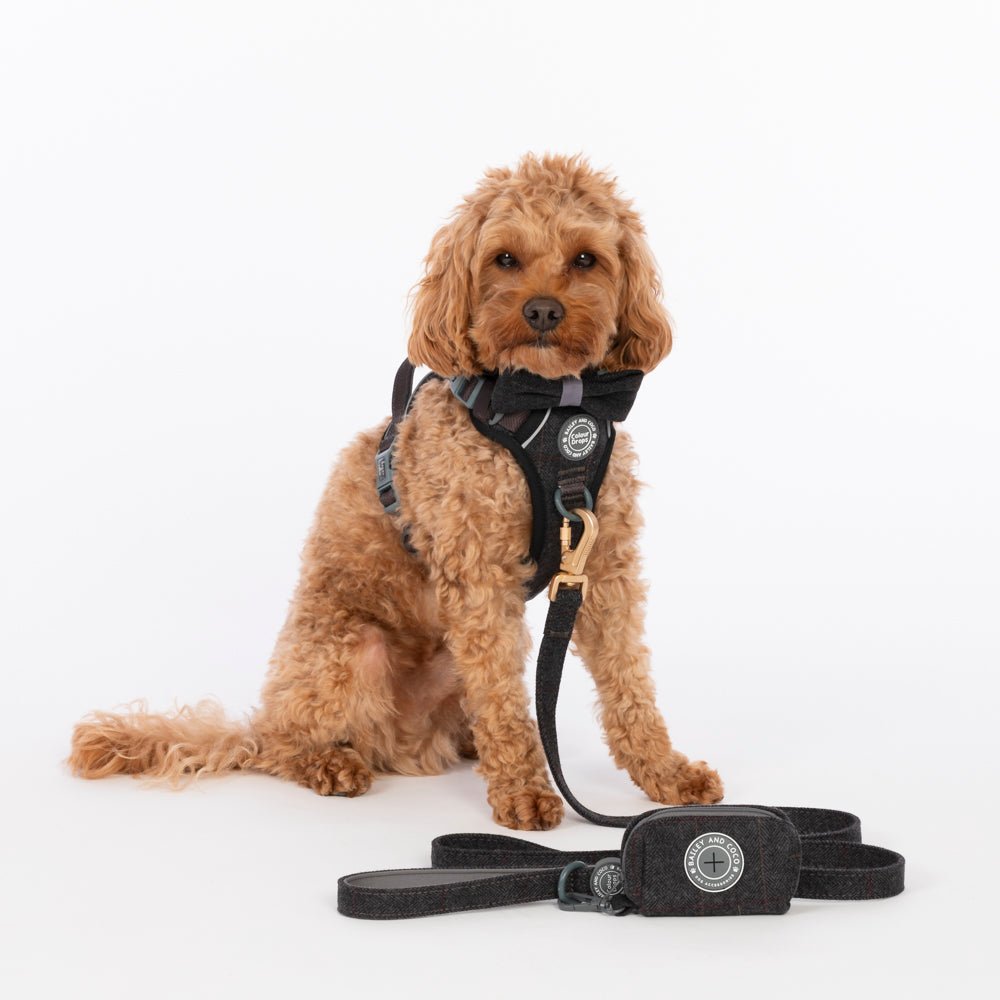
To help you see the differences clearly, here is a side-by-side comparison of slip leads and standard fixed-length leads like those in the Bailey and Coco range.
| Feature | Slip Lead | Standard Lead (e.g. Bailey & Coco Fabric Lead) |
|---|---|---|
| Collar required | No (built-in loop) | Yes (clips to collar or harness) |
| Tightening mechanism | Yes, constricts when dog pulls | No, fixed attachment point |
| Risk of neck injury | Higher (trachea pressure) | Lower (distributed pressure) |
| Suitable for pullers | No | Yes (especially with harness) |
| Suitable for puppies | No | Yes |
| Handler skill required | High | Low |
| Comfort features | Minimal (rope or webbing) | Padded neoprene handle, soft fabric |
| Price range | £5 - £15 | £15 - £26 |
| Best for | Trained working dogs, vets, emergencies | All dogs, everyday walks, training |
Slip Lead vs Harness: Which Is Better?
If you are deciding between a slip lead and a harness, the answer for most pet owners is straightforward: a harness is almost always the better choice for everyday use.
A well-fitted harness distributes pressure across the chest and shoulders rather than concentrating it on the neck. This is dramatically safer for dogs of all sizes, but especially for small breeds, brachycephalic breeds, and dogs with existing neck or back conditions.
For dogs that pull, a front-clip harness gently redirects the dog's momentum to the side, naturally discouraging pulling without any discomfort. Paired with a quality lead, this combination gives you excellent control without risk.
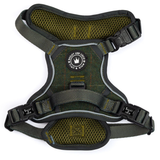
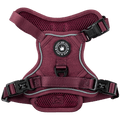
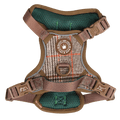
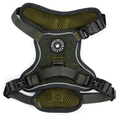
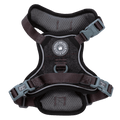
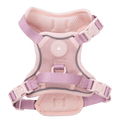
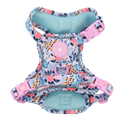
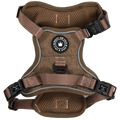
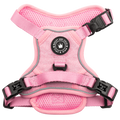
Our dog harnesses feature both front and back clip options, making them a versatile and safe alternative to slip leads for everyday walks.
| Consideration | Slip Lead | Harness + Standard Lead |
|---|---|---|
| Pressure point | Neck and trachea | Chest and shoulders |
| Anti-pull effectiveness | Relies on discomfort | Redirects momentum (front-clip) |
| Escape risk | Low (tightens when pulled) | Low (body coverage) |
| Training support | Limited (correction-based) | Excellent (positive reinforcement compatible) |
| Breed suitability | Limited (not for many breeds) | Universal |
Proper Slip Lead Technique
If you do decide to use a slip lead in an appropriate context, correct technique is non-negotiable. Poor technique is what turns a simple tool into a dangerous one.
Step 1: Form the loop correctly. Hold the lead so it forms a "P" shape when viewed from the front. This ensures the lead loosens correctly when tension is released. If it forms a "9" instead, the loop will not release properly and will stay tight around the neck.
Step 2: Position high on the neck. The loop should sit just behind the ears, at the very top of the neck. This is the narrowest part of the neck and the point where gentle pressure is most effective. Never allow the lead to slide down to the base of the neck or sit across the throat.
Step 3: Use a stopper if available. If your slip lead has an adjustable stopper, slide it into position to prevent the loop from loosening too much or tightening too much. This adds a safety margin.
Step 4: Keep the lead loose. The slip lead should have a gentle drape when the dog is walking correctly. There should never be constant tension. If the lead is always taut, it is always tightening, which defeats the purpose and causes harm.
Step 5: Use brief, gentle cues. Communication through a slip lead should be a light check and immediate release, not sustained pulling. Think of it as a tap on the shoulder, not a grab of the arm.
Safety Concerns and Responsible Use
The debate around slip leads in the UK is ongoing, and it is important to understand the broader context. The UK's dog lead laws require dogs to be kept under control in public spaces, but they do not specify what type of lead must be used. This means the choice falls entirely on the owner.
Many UK-based trainers and behaviourists who follow force-free or positive reinforcement methodologies advise against slip leads for pet dogs. Their argument is sound: there are safer tools available that achieve better results without the risk of injury or psychological harm.
The Association of Pet Dog Trainers (APDT) and the Animal Behaviour and Training Council (ABTC), both respected UK bodies, generally favour training methods and equipment that do not rely on pain or discomfort as a learning mechanism. While neither has issued an outright ban on slip leads, the direction of professional opinion in the UK is moving away from aversive tools and towards reward-based approaches.
If you are working with a trainer who insists on a slip lead for your pet dog, it is worth asking them to explain their reasoning and considering a second opinion from a force-free certified professional.
Better Alternatives for Everyday Walks
For most dog owners, a slip lead is simply not the right tool for daily walks. The good news is that there are excellent alternatives that offer better control, greater safety, and superior comfort for both you and your dog.
Fabric Dog Leads
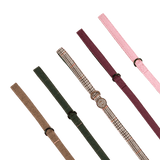
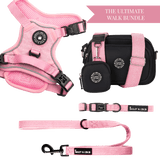
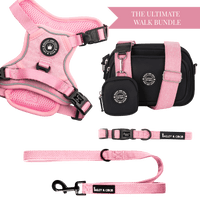
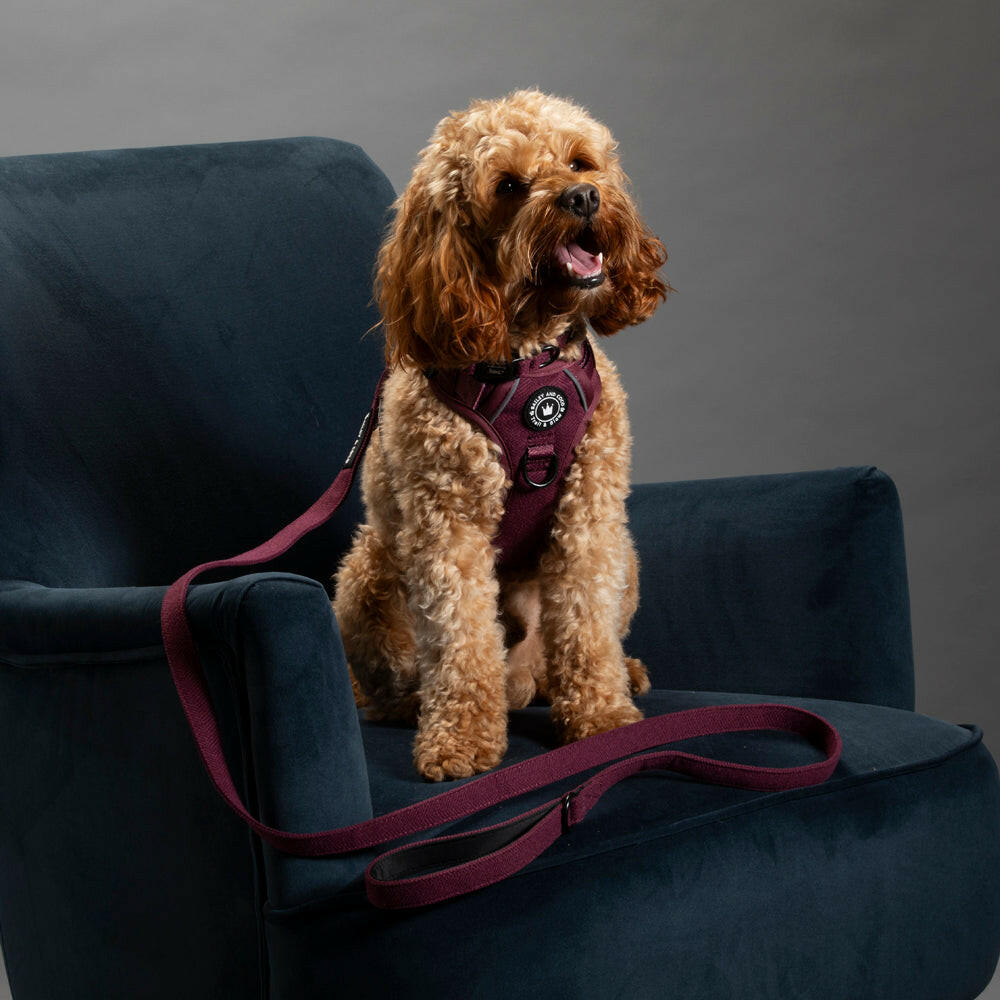
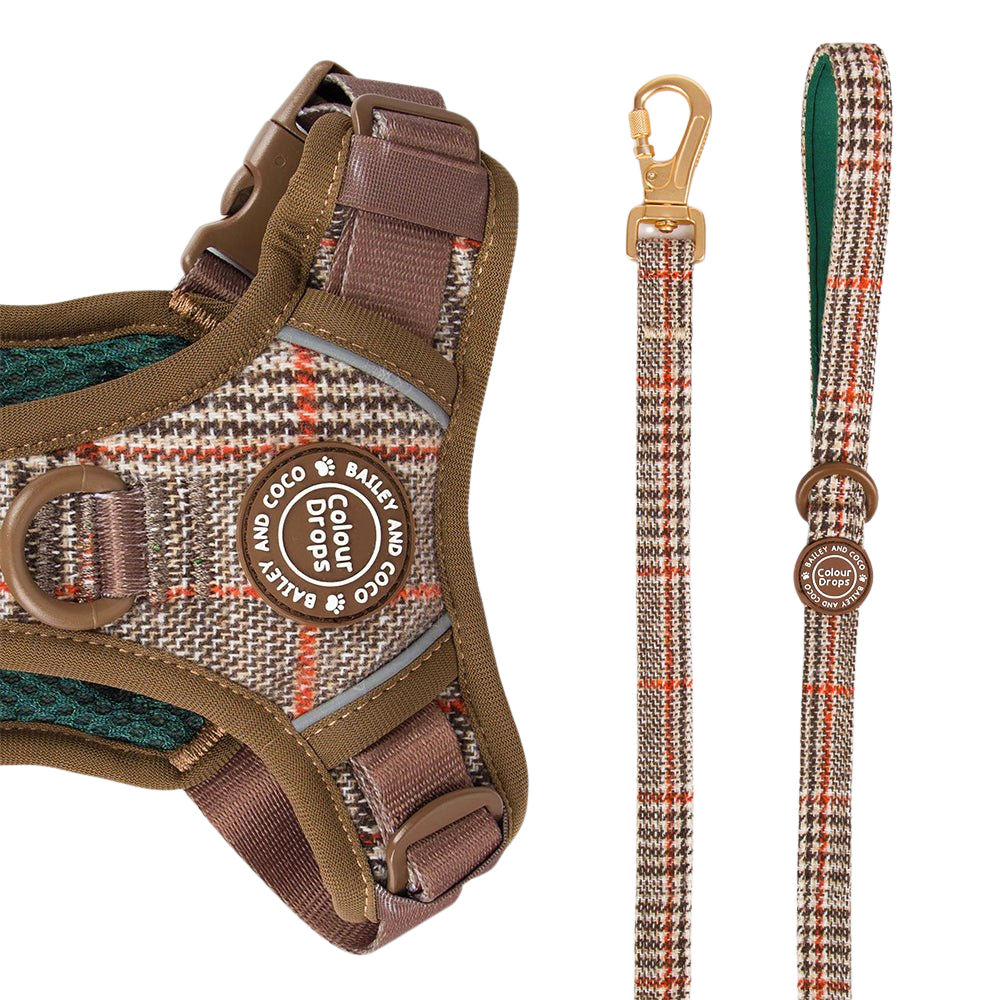
A premium fabric lead is the gold standard for everyday walks. The Bailey and Coco 5ft fabric leads feature a padded neoprene handle that is gentle on your hands even during longer walks, a sturdy D-ring for attaching accessories like poo bag holders, and reflective stitching for visibility during darker walks. At 5ft, they give your dog enough room to explore without excess slack. Priced between £15 and £18, they are an investment in daily comfort that far outperforms a basic slip lead.
Rope Dog Leads
If you like the aesthetic of a rope slip lead but want something safer, rope dog leads with a secure clip offer the best of both worlds. The Bailey and Coco rope leads feature double-braided nylon for durability, gold hardware for a premium look, and a lockable clip that ensures your dog stays securely attached. Priced between £19 and £26, they deliver the classic rope lead style without the tightening mechanism of a slip lead.
Long Leads for Recall Training
If you are considering a slip lead for off-lead training scenarios, a long training lead is a much better choice. Long leads of 10 to 30 feet allow your dog freedom to roam while maintaining control, and they are the tool of choice for positive reinforcement recall training.
Retractable vs Fixed Leads
Wondering about other lead styles? Our guide to retractable vs fixed leads covers the full comparison, including why fixed-length leads are generally the safer option for most walking situations.
Double-Ended Leads for Training
For dogs that need extra guidance during training, a double-ended lead paired with a front-clip harness gives you precise directional control without any aversive pressure on the neck.
What the Professionals Say
Across the UK, the professional consensus is shifting. While slip leads maintain their place in working dog circles, veterinary practices, and the show ring, the majority of modern pet dog trainers recommend against them for everyday use.
Force-free trainers point out that we now have a much better understanding of canine learning theory than we did when slip leads were first popularised. Dogs learn best through positive reinforcement, which means rewarding the behaviour you want rather than punishing the behaviour you do not want. A slip lead is fundamentally a correction-based tool, and while correction can suppress unwanted behaviour in the short term, it does not teach the dog what you actually want them to do.
The practical advice from UK behaviourists is consistent: invest in a well-fitted harness or collar, pair it with a quality lead, and spend time on reward-based loose-lead walking training. The results are longer-lasting, the process is more enjoyable for both dog and owner, and there is zero risk of physical harm.
Frequently Asked Questions About Slip Leads
Are slip leads cruel?
Slip leads are not inherently cruel, but they can cause harm when used incorrectly or on unsuitable dogs. In the hands of an experienced handler with a trained dog, they are a functional tool. However, when used on untrained dogs, pullers, puppies, or brachycephalic breeds, they can cause neck injuries, anxiety, and distress. Most modern UK trainers recommend safer alternatives for pet dogs.
Can I use a slip lead on a puppy?
No. Puppies should not wear slip leads. Their necks are delicate, and a tightening mechanism can cause both physical harm and negative associations with walks. Start your puppy with a soft, lightweight lead and a well-fitted collar or harness. Focus on positive reinforcement to build good lead manners from the beginning.
Will a slip lead stop my dog pulling?
In most cases, no. A slip lead may temporarily suppress pulling through discomfort, but it does not teach the dog to walk calmly. Many dogs actually pull harder on a slip lead, which increases the risk of injury. A front-clip harness combined with positive reinforcement training is a far more effective long-term solution.
Are slip leads legal in the UK?
Yes, slip leads are legal in the UK. There are no laws prohibiting their use. However, under the Animal Welfare Act 2006, owners have a duty to protect their animals from unnecessary suffering. If a slip lead is causing visible distress or injury, its use could potentially be challenged on welfare grounds.
What is the difference between a slip lead and a check chain?
A slip lead is a single piece of rope or cord that forms a sliding loop. A check chain (also called a choke chain) is a metal chain with rings at each end that operates on a similar tightening principle but is made of chain links. Both tighten when the dog pulls, but check chains are generally considered more aversive due to the hard metal material. Neither is recommended for everyday pet use.
What breeds should never use a slip lead?
Brachycephalic breeds such as Pugs, French Bulldogs, Bulldogs, Boston Terriers, and Shih Tzus should never use a slip lead due to their compromised airways. Small breeds prone to tracheal collapse, such as Chihuahuas, Yorkshire Terriers, and Pomeranians, should also avoid them. Dogs with existing neck, spine, or respiratory conditions are also unsuitable candidates.
What is the best alternative to a slip lead for daily walks?
For most dogs, the best everyday setup is a well-fitted harness or collar paired with a quality fixed-length lead. A 5ft fabric or rope lead with a secure clip gives you excellent control without any risk of neck constriction. For dogs that pull, add a front-clip harness for gentle redirection. This combination is safer, more comfortable, and more effective than a slip lead.


