















If you have ever stood in a pet shop aisle wondering whether to grab a retractable dog lead or a fixed one, you are not alone. It is one of the most common questions dog owners face, and the answer matters more than most people think. Your choice of lead directly affects your dog's safety, your control during walks, and even your dog's long-term behaviour on the lead.
Retractable leads have been around for decades, and they remain popular for one simple reason: they promise freedom. The idea of letting your dog roam while still technically being "on lead" is appealing, especially in open spaces. But that promise comes with a list of safety concerns that UK vets, trainers, and behaviourists have been vocal about for years.
Fixed leads, on the other hand, might seem less exciting. There is no button to press, no extending cord, and no sense of unlimited range. But what they lack in novelty, they make up for in reliability, control, and consistency. There is a reason why professional trainers across the UK overwhelmingly recommend fixed leads for everyday walking.
In this guide, we will break down the retractable vs fixed lead debate honestly. We will cover how retractable leads actually work, the genuine pros and cons of each type, the safety concerns you need to know about, and when each type makes sense. Whether you are walking a boisterous puppy through busy town centres or letting a well-trained Labrador explore a quiet country field, this guide will help you make the right choice. If you are still figuring out which type of dog lead is best overall, this comparison will give you the clarity you need.
How Do Retractable Dog Leads Work?
A retractable dog lead consists of a plastic handle that houses a spring-loaded spool of thin cord or flat tape. When you press the button on the handle, the cord extends as your dog moves away from you. Release the button, and a brake engages to lock the cord at whatever length it has reached. Press again and walk closer to your dog, and the spring mechanism retracts the cord back into the housing.
Most retractable leads extend to somewhere between 3 and 8 metres, with some models reaching up to 10 metres. The cord itself is typically either a thin nylon line (on smaller models) or a flat ribbon tape (on larger models designed for bigger dogs). The handle is usually a chunky plastic casing, much bulkier than a standard lead handle.
The locking mechanism is the critical component. When it works, it allows you to set a fixed distance and prevent your dog from going further. When it fails, which is more common than manufacturers would like to admit, the cord can unspool rapidly, giving your dog sudden, uncontrolled freedom.
Pros of Retractable Dog Leads
In the interest of fairness, retractable leads do have some genuine advantages in specific situations:
Extended range without being off-lead. In open fields, quiet beaches, or empty parks, a retractable lead gives your dog room to sniff, explore, and move naturally while technically remaining on a lead. This can be useful in areas where off-lead walking is not permitted but space is abundant.
Useful for dogs in recall training transition. If your dog is learning recall but is not yet reliable enough to be off-lead, a retractable lead can serve as an interim measure. It provides a sense of freedom while keeping a physical connection. However, a dedicated long line lead is generally a safer option for this purpose.
Convenient for stationary moments. If you are sitting on a park bench or standing chatting with another dog walker, a retractable lead lets your dog potter about nearby without you needing to move. The extending cord provides a small radius of exploration around a fixed point.
Whatever lead type you choose, ensuring your dog gets the right amount of exercise is just as important as the equipment itself. Our guide on how often you should walk your dog covers breed-specific walking frequencies, durations, and seasonal adjustments for UK dog owners.
Cons of Retractable Dog Leads
The disadvantages of retractable leads are more numerous, and several of them involve genuine safety risks.
Reduced control in critical moments. The core problem with a retractable lead is that your dog can be several metres away from you before you react. If another dog appears, if your dog spots a squirrel near a road, or if a child runs towards your dog, you have far less ability to intervene quickly. Fixed leads keep your dog within arm's reach at all times.
Thin cord can cause injuries. The cord on many retractable leads is remarkably thin, especially on models designed for smaller dogs. If the cord wraps around your fingers, another dog's legs, or a child, it can cause friction burns, cuts, and in severe cases, serious lacerations. There are documented cases of amputated fingers from retractable lead cords, though these are rare.
Brake failure. The locking mechanism in retractable leads is a mechanical component that can wear out, jam, or fail entirely. When the brake fails, the cord extends uncontrollably, and your dog is effectively off-lead without warning. This is particularly dangerous near roads, livestock, or other dogs.
The handle is easy to drop. The bulky plastic housing of a retractable lead is not ergonomically designed for a firm grip. If your dog lunges suddenly, the handle can be pulled from your hand. Once dropped, the handle bounces and retracts noisily along the ground behind your dog, which often frightens the dog into running further and faster. This is a well-documented cause of dogs bolting into roads.
Teaches poor lead behaviour. A retractable lead inadvertently rewards pulling. Every time your dog strains forward, the lead extends, giving them exactly what they want: more distance. This constant reinforcement of pulling makes loose-lead walking almost impossible to teach. If you are working on lead training with a puppy, a retractable lead can actively undermine your progress.
False sense of control. Many owners believe that because they can lock the retractable lead, they have control equivalent to a fixed lead. In practice, the thin cord at full extension has very little stopping power for a determined dog, and the spring mechanism is not designed to absorb sudden lunges the way a proper fixed lead does.
Pros of Fixed Dog Leads
Fixed leads have been the standard for dog walking since, well, dogs were first walked on leads. Their simplicity is their greatest strength.
Consistent, reliable control. A fixed lead keeps your dog at a set distance at all times. There is no extending, no retracting, no buttons to press. You know exactly how far your dog can go, and your dog knows too. This consistency is the foundation of good lead behaviour.
Better for training. Every professional dog trainer in the UK will tell you that a fixed lead is essential for teaching loose-lead walking, heel work, and general lead manners. The fixed length provides clear boundaries that dogs understand and respond to. When the lead is always the same length, your dog learns where the boundary is and stops testing it.
Stronger, more durable construction. Fixed leads are typically made from woven nylon, leather, rope, or fabric, all materials that are significantly stronger than the thin cord inside a retractable lead. A quality fixed lead can last years, even with a strong puller. Retractable leads, with their mechanical components, are more prone to wear and eventual failure.
Safer in busy environments. In town centres, near roads, on crowded pavements, and anywhere there are other dogs, children, or traffic, a fixed lead gives you immediate, responsive control. There is no delay between seeing a hazard and having your dog close to you. Understanding UK dog lead laws also makes it clear that in many controlled areas, a fixed lead is the practical choice for compliance.
No mechanical failure points. A fixed lead has no buttons, springs, spools, or brakes. There is nothing to jam, snap, or malfunction. The lead works every single time you pick it up. For something that your dog's safety depends on, this reliability is not a small thing.
More comfortable to hold. A well-designed fixed lead with a padded handle is far more comfortable during long walks than a chunky plastic retractable housing. The ergonomic difference becomes very noticeable on hour-long walks or with dogs that pull. A neoprene-padded handle, for example, cushions your hand and prevents the blisters and fatigue that both retractable handles and unpadded fixed leads can cause.
Cons of Fixed Dog Leads
Fixed leads are not without limitations, though these are generally manageable.
Limited range. A standard fixed lead is typically 4 to 6 feet long, which means your dog stays close to you. In open spaces where you would like your dog to have more freedom but cannot let them off-lead, a standard fixed lead can feel restrictive. However, this is solved by using a longer fixed lead or training line rather than switching to a retractable.
Requires you to be more active. With a fixed lead, you cannot just stand still and let your dog wander in a circle around you. You need to walk with your dog, adjust your pace to theirs, and be engaged in the walk. Most trainers would argue this is actually a benefit for your relationship with your dog, but it does require more active participation.
Safety Concerns with Retractable Leads
This section deserves its own space because the safety issues with retractable leads are well documented and should not be underestimated.
Tangling and Entanglement
The thin cord of a retractable lead can wrap around legs (yours, your dog's, other dogs', children's) with very little warning. Because the cord is under spring tension, it tightens when wrapped, causing burns, cuts, and potential ligament or tendon damage. Multi-dog households using retractable leads face an even higher risk, as two extending cords can tangle around each other and the dogs, creating a dangerous, panicked situation.
Cord Snap
Retractable lead cords are rated for specific weight limits, but sudden lunges generate far more force than a dog's standing weight. A 25kg dog lunging at full speed on a 5-metre cord can generate enough force to snap the cord entirely, particularly if the cord is worn or frayed from repeated use. When the cord snaps, the dog is instantly off-lead, and the recoiling cord can strike the owner in the face or hands.
Road Safety
The most serious incidents involving retractable leads tend to involve roads. A dog on a fully extended retractable lead can step into the road before the owner has any chance to lock the brake and reel them in. The reaction time required, seeing the hazard, pressing the button, waiting for the brake to engage, and then retracting the cord, is simply too long for a situation that unfolds in seconds.
Dropped Handle Panic
As mentioned above, the chunky handle is easy to drop, especially if your dog lunges unexpectedly while you are adjusting your grip, checking your phone, or holding a poo bag. The handle then bounces along the ground, retracting as it goes, creating a loud, frightening noise that causes the dog to bolt. This specific scenario has resulted in dogs running into traffic across the UK.
What UK Vets and Trainers Say
The professional consensus in the UK is fairly clear. The British Veterinary Association has highlighted the injury risks associated with retractable leads. The Kennel Club recommends fixed leads for walking in public spaces. Most certified dog behaviourists and trainers in the UK actively discourage retractable leads for everyday use, citing the training problems they create and the safety risks they introduce.
This does not mean retractable leads are universally condemned. Some professionals acknowledge they can be a tool in specific, controlled circumstances. But the overwhelming recommendation for general dog walking is a quality fixed lead of appropriate length.
When a Fixed Lead Is the Better Choice
For the vast majority of everyday walking scenarios, a fixed lead is the better option. Here are the specific situations where a fixed lead is clearly superior:
Walking near roads or traffic. There is no debate here. Near any road, a fixed lead is the only responsible choice. The immediate control it provides could save your dog's life.
Busy high streets and town centres. Crowded pavements, market stalls, outdoor cafes, other dogs, pushchairs, and children, all of these require close control. A fixed lead keeps your dog by your side and out of trouble.
Training and behaviour work. Whether you are teaching a puppy to walk on a lead, working on loose-lead walking with an adolescent dog, or managing a reactive dog, a fixed lead is essential. It provides the consistency that training requires.
Reactive or fearful dogs. Dogs that react to other dogs, people, bicycles, or traffic need the security and control of a fixed lead. A retractable lead gives a reactive dog too much range to lunge, which can be dangerous for everyone involved. Understanding different lead types like slip leads can also help with managing reactive behaviour, though a standard fixed lead remains the go-to for most situations.
Multi-dog walking. Walking two or more dogs on retractable leads is a recipe for tangled cords and chaos. Fixed leads, whether individual or specialist multi-dog options like bungee leads, provide far better control when managing multiple dogs.
Dogs that pull. A retractable lead rewards pulling. A fixed lead, combined with proper training, teaches your dog that pulling gets them nowhere. If your dog is a dedicated puller, a retractable lead will make the problem worse.
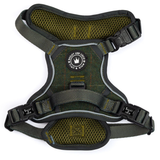
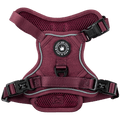
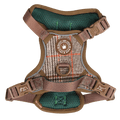
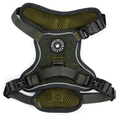
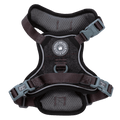
For dogs that pull, pairing a fixed-length lead with a front-clip dog harness gives you far more control than a retractable lead ever could.
When a Retractable Lead Might Work
To be fair, there are a small number of situations where a retractable lead is a reasonable choice, provided it is a high-quality model rated appropriately for your dog's size and weight:
Open fields with no hazards. If you are in a wide, enclosed field with no roads, livestock, or other dogs nearby, and your dog is well-behaved on the lead, a retractable lead can provide extra roaming distance. That said, a long line lead achieves the same result more safely.
Quiet, low-risk environments. An empty beach at low tide, a deserted park early in the morning, a fenced garden, these are low-risk settings where the disadvantages of a retractable lead are minimised.
Well-trained dogs with reliable recall. If your dog responds to verbal commands consistently and does not lunge, pull, or react to distractions, the risks associated with retractable leads are reduced. However, if your dog's recall is that good, you could likely walk them off-lead in these environments anyway.
The key point is that even in these favourable scenarios, a retractable lead is rarely the best option. It is simply a less risky option. A long fixed lead or a training line almost always provides the same benefit with greater safety.
Why Bailey & Coco Chose Fixed Leads
At Bailey & Coco, the decision to focus exclusively on fixed leads was not about following trends. It was about designing leads that we are genuinely proud to put a dog's safety behind.
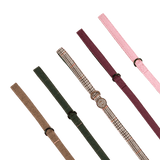
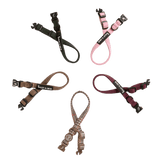
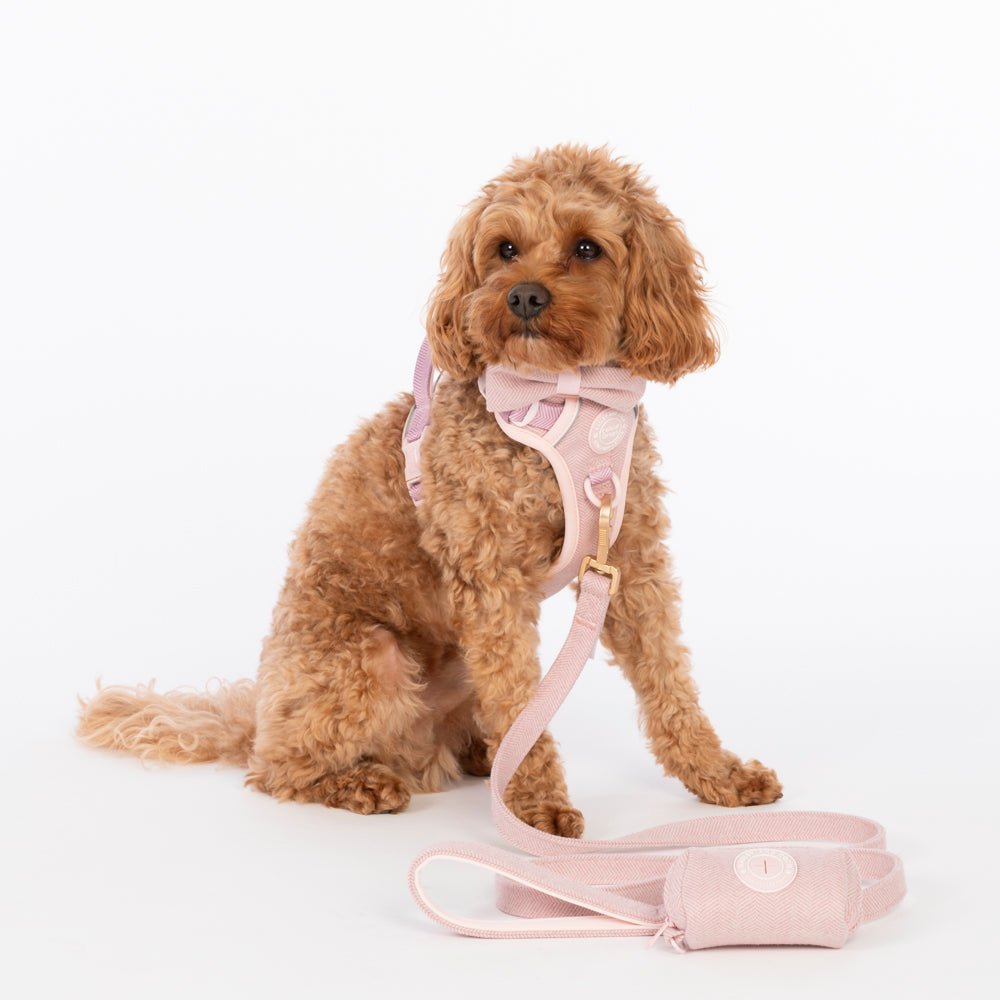
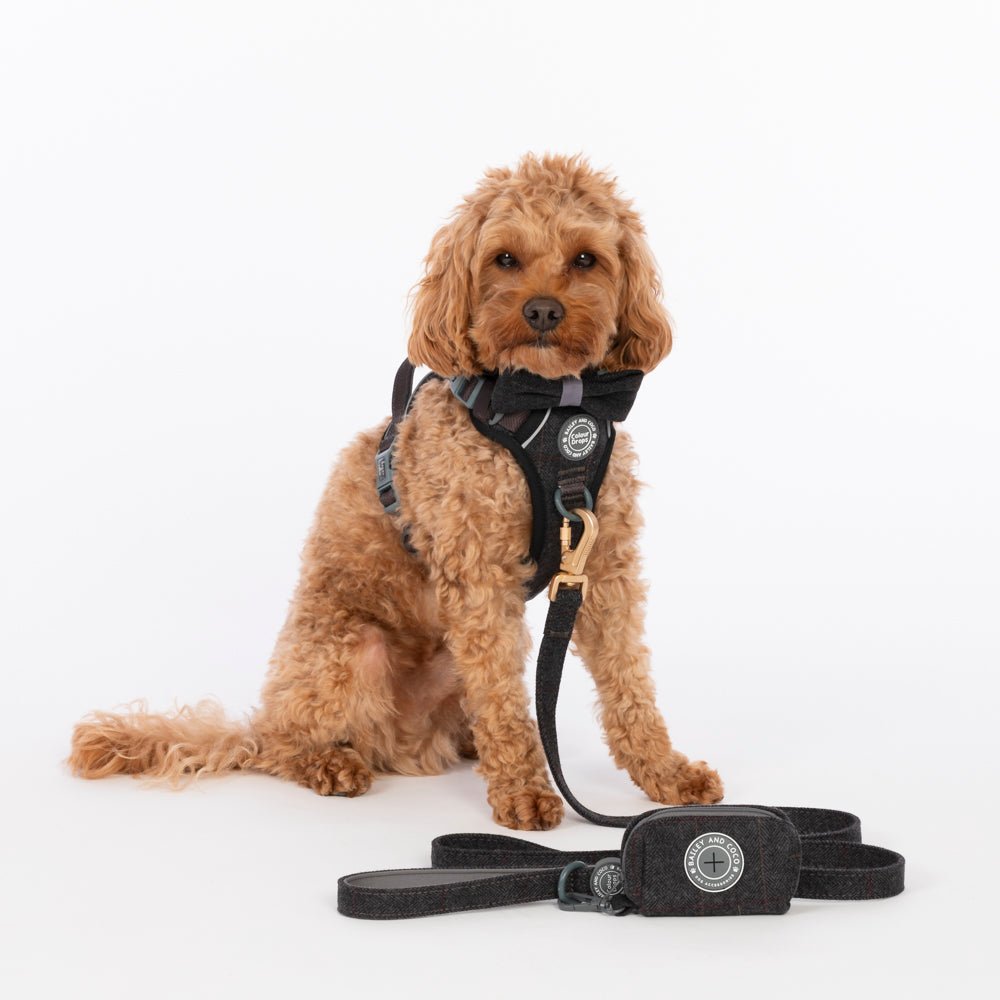
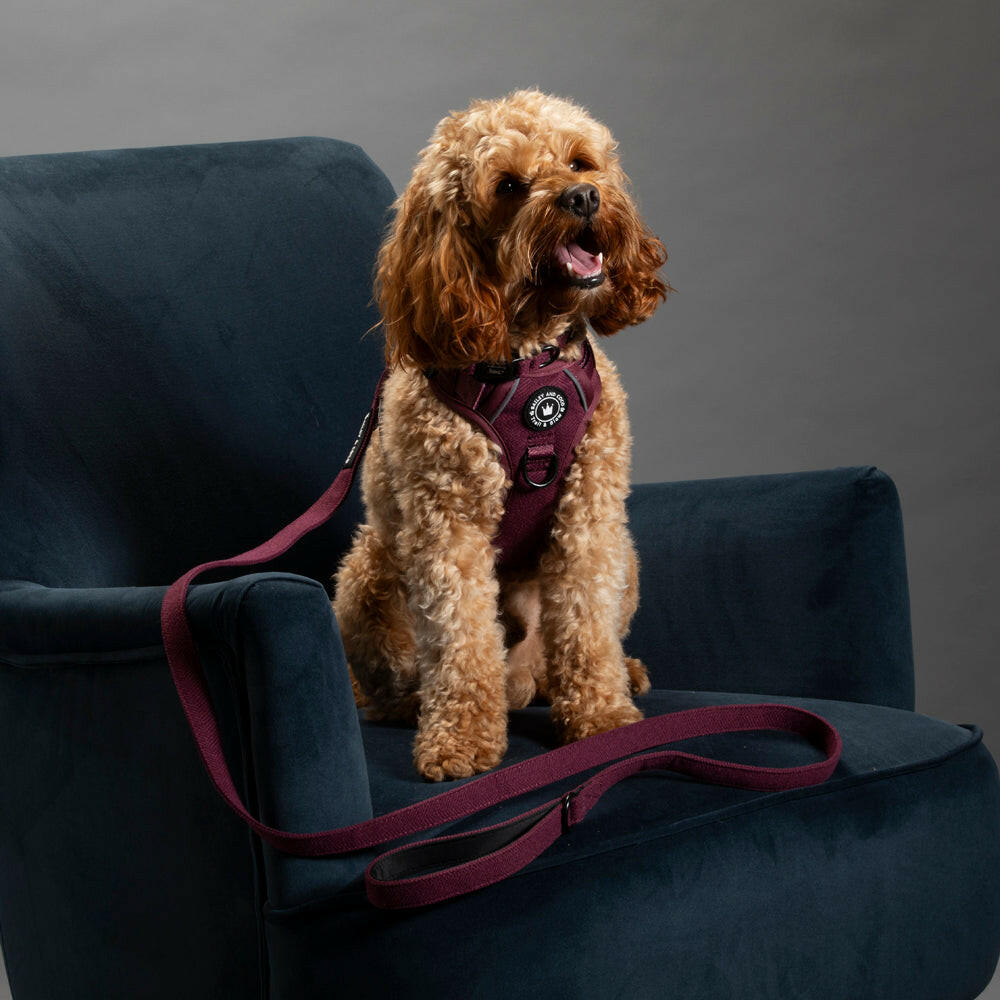
Every lead in our range is built around three principles: safety, comfort, and style. Our fabric dog leads feature a padded neoprene handle that cushions your hand on long walks, a solid D-ring for attaching accessories, and reflective stitching for visibility in low light. At 5ft, they provide the ideal length for controlled walking on pavements and in busy areas, while still giving your dog enough room to walk comfortably beside or slightly ahead of you.
Our rope dog leads use double-braided nylon for exceptional strength, with gold hardware and a lockable clip that ensures your dog stays securely attached. For wet weather, our waterproof leads offer weather-resistant construction with lockable swivel clips.
Could we make a retractable lead? Of course. Would it meet our standards for safety and quality? We do not believe so. The mechanical components in retractable leads are inherently less reliable than the simple, robust construction of a well-made fixed lead. And because our leads are something you trust your dog's life with on every walk, we refuse to compromise on reliability.
We believe that a beautifully crafted fixed lead, in a pattern and colour that makes you smile every time you pick it up, is the best lead you can buy. Not just for style, but for the safety and wellbeing of your dog.
Retractable vs Fixed Dog Lead: Full Comparison
| Feature | Retractable Lead | Fixed Lead |
|---|---|---|
| Control | Limited, especially at full extension | Immediate and consistent |
| Safety near roads | Poor; delayed braking response | Excellent; dog stays close |
| Training suitability | Undermines loose-lead training | Essential for all lead training |
| Durability | Mechanical parts wear over time | No moving parts; lasts years |
| Comfort | Bulky plastic housing | Ergonomic, padded handles available |
| Injury risk | Cord burns, cuts, entanglement | Minimal with proper use |
| Range | 3-10 metres (variable) | Typically 4-6ft (consistent) |
| Reactive dogs | Allows lunging; makes reactivity worse | Limits range; aids management |
| Multi-dog walking | Tangling risk; not recommended | Safe and manageable |
| Price range | £10-£40 (quality varies hugely) | £10-£30 for quality options |
| Professional recommendation | Generally discouraged by UK vets and trainers | Universally recommended |
What Length Fixed Lead Should You Choose?
One of the main reasons people consider retractable leads is the desire for more length. The good news is that fixed leads come in a range of lengths to suit different situations:
4-6ft (standard). Ideal for everyday walking on pavements, in towns, and in moderately busy areas. This is the length most trainers recommend as your default lead. Bailey & Coco's 5ft fabric, rope, and waterproof leads sit right in this sweet spot.
6-10ft (extended). Good for relaxed walks in parks or quieter areas where you want to give your dog a bit more room without the risks of a retractable lead.
15-30ft (long lines). Perfect for recall training, beach walks, and open field exercise. Long lines give your dog genuine freedom while maintaining a physical connection. They are the safe alternative to retractable leads for off-lead training.
The important thing to understand is that wanting more range does not mean you need a retractable lead. You simply need a longer fixed lead. And a long fixed lead will always be safer, more durable, and more effective for training than any retractable model.
Making the Right Choice for Your Dog
Ultimately, the retractable vs fixed lead decision comes down to priorities. If convenience and range are your primary concerns, a retractable lead might seem appealing. But if safety, control, training effectiveness, and durability are what matter to you, a fixed lead is the clear winner.
For most dogs, most of the time, in most UK environments, a quality 5ft fixed lead is the best all-round option. It provides enough length for comfortable walking, enough control for busy streets, and the right foundation for good lead behaviour. When you want more freedom for your dog, reach for a long line rather than a retractable.
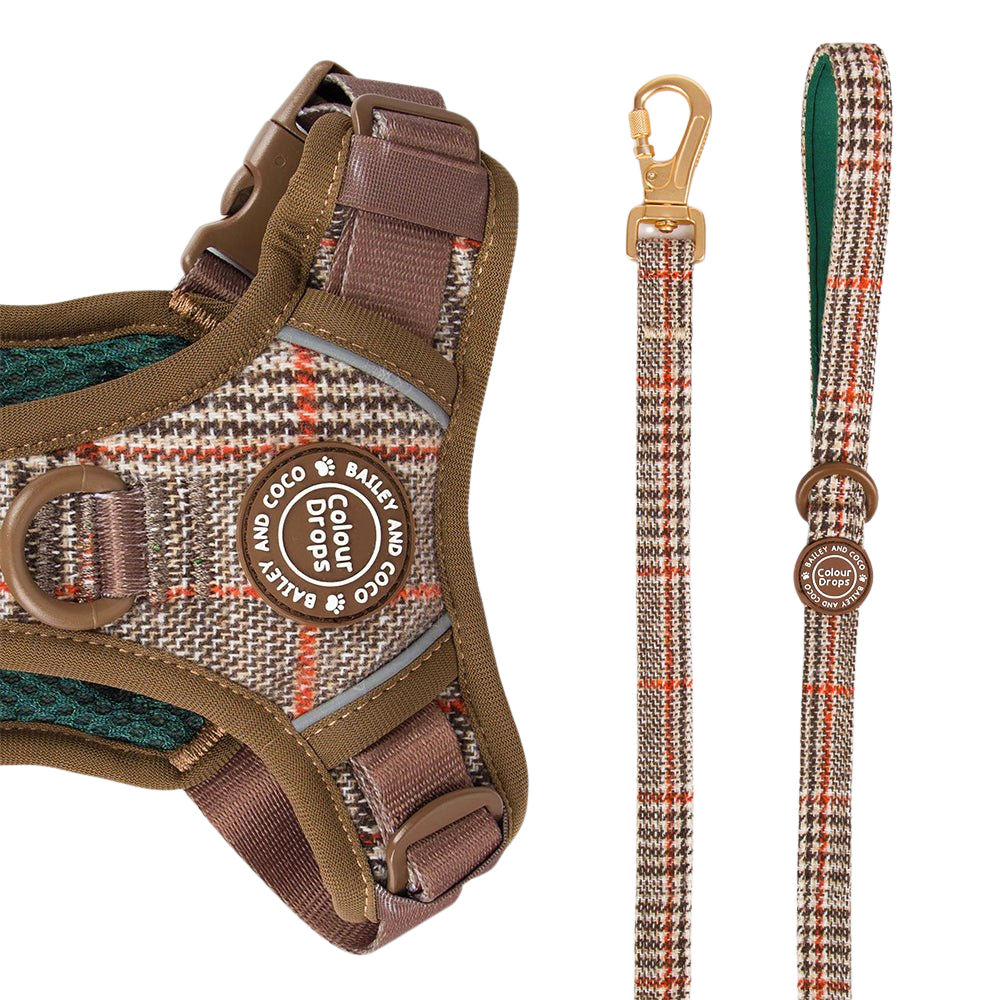
At Bailey & Coco, we make fixed leads that you will actually look forward to using. Beautiful tweed patterns, neoprene-padded handles, reflective stitching for safety, and construction that will outlast any retractable lead on the market. Because your dog deserves a lead that keeps them safe and looks brilliant doing it.
Frequently Asked Questions
Are retractable dog leads dangerous?
Retractable leads carry genuine safety risks including cord burns, entanglement injuries, brake failure, and the risk of the handle being dropped, which can cause dogs to bolt. While they are not inherently dangerous in every situation, UK vets and trainers widely recommend fixed leads for everyday use due to the reduced risk profile. The mechanical components in retractable leads can also wear out over time, making them less reliable than a simple fixed lead.
Why do dog trainers recommend fixed leads?
Fixed leads provide consistent, predictable boundaries that dogs understand. The set length teaches dogs where their limit is, which is essential for loose-lead walking. Retractable leads reward pulling by extending when the dog strains forward, which directly undermines training. Every accredited dog trainer and behaviourist organisation in the UK recommends fixed leads for training purposes.
Can I use a retractable lead in a UK park?
Legally, there is no blanket ban on retractable leads in UK parks, though some local authorities do require dogs to be on a "short lead" in certain areas, which typically means a fixed lead. Practically, retractable leads are not ideal for parks where other dogs, children, and cyclists may be present. A standard 5ft fixed lead provides much better control in shared public spaces. Check your local dog lead laws for specific requirements in your area.
What is the safest type of dog lead?
A well-made fixed lead in an appropriate length for your walking environment is the safest option. Look for strong construction (woven fabric, braided rope, or quality nylon), secure clip attachments, and a comfortable padded handle. For everyday walking, a 5ft lead is ideal. The absence of mechanical components means there are no failure points, and the fixed length keeps your dog at a predictable, manageable distance at all times.
Are retractable leads illegal in the UK?
No, retractable leads are not illegal in the UK. However, certain Public Spaces Protection Orders (PSPOs) in local council areas may require dogs to be on a lead of a specified maximum length, typically 1 to 2 metres. A fully extended retractable lead would not comply with these requirements. Additionally, if a retractable lead contributes to an incident, such as a dog running into the road or attacking another dog, the owner could face legal consequences under the Dangerous Dogs Act or other relevant legislation.
What length lead is best for walking a dog?
For general pavement walking, town centres, and moderately busy environments, a 4 to 6 foot fixed lead is the standard recommendation from UK trainers and behaviourists. This length gives your dog enough room to walk beside or slightly ahead of you without getting underfoot, while keeping them close enough for immediate control. Bailey & Coco's 5ft leads are designed to sit in this ideal range. For open areas where you want more freedom, consider a longer training line rather than a retractable lead.
Do vets recommend retractable dog leads?
The general consensus among UK veterinary professionals is that retractable leads pose unnecessary risks for everyday walking. The British Veterinary Association has highlighted injuries associated with retractable leads, including friction burns, lacerations, and injuries from sudden cord snapping. Most vets recommend a sturdy fixed lead of appropriate length for daily walks, reserving retractable leads only for very specific, low-risk situations if used at all.


