











Bringing home a new puppy is one of life's greatest joys, and one of the first things you will need is a lead. But choosing your puppy's first lead is not as straightforward as picking the one that looks nicest in the shop. Puppies have very different needs from adult dogs. They are smaller, lighter, more sensitive, and completely new to the concept of walking on a lead. The wrong lead can make early experiences stressful, set back your training, and even create fear or anxiety around walks.
The good news is that getting it right is not complicated once you know what to look for. In this complete guide, we will cover everything from when to start lead training and what makes a great puppy lead to a step-by-step introduction plan and a week-by-week training timeline. Whether you have a tiny Chihuahua puppy or a boisterous Labrador pup, you will find everything you need to choose confidently and start your puppy's walking journey on the right paw.
We will also explain why the Bailey & Coco Fabric Dog Leads make an excellent first lead for puppies, and when your growing pup might need an upgrade. Let us get started.
When to Start Lead Training Your Puppy
Many new puppy owners wonder when they should introduce a lead. The answer has two parts: indoor introduction and outdoor walks.
Indoor Lead Introduction: From Day One
You can start getting your puppy used to wearing a lead indoors from the moment they arrive home, which is typically around 8 weeks of age. At this stage, you are not walking them outside. You are simply letting them get comfortable with the sensation of having something attached to their collar or harness. Short, positive indoor sessions of just a few minutes help your puppy associate the lead with good things before you ever step outside.
Outdoor Walks: After Vaccinations
Your puppy should not walk on public ground until they have completed their vaccination course, which is usually around 10 to 12 weeks of age. Your vet will confirm exactly when it is safe. Until then, you can carry your puppy outside to experience new sounds, sights, and smells, and you can practise lead walking in your own garden if you have one.
Understanding UK dog lead laws is also important, as there are specific situations where your dog must be on a lead regardless of age or training level.
The Critical Socialisation Window
Puppies have a critical socialisation window between roughly 3 and 14 weeks of age. Positive experiences during this period shape their behaviour for life. Introducing your puppy to a lead gently and positively during this window sets the foundation for a lifetime of enjoyable walks. Negative experiences, such as being dragged on a heavy, uncomfortable lead, can create lasting anxiety.
What to Look for in a Puppy Lead
A puppy lead needs to be different from an adult dog lead. Here are the key features to prioritise:
Lightweight
This is the single most important feature for a puppy lead. A heavy lead pulling on a small puppy's neck or harness is uncomfortable and can be frightening. Puppies are still developing their muscles, coordination, and confidence. A lightweight lead lets them move naturally without feeling weighed down or restricted.
Comfortable Material
Soft, smooth materials are best for puppies. Rough or stiff materials can irritate their delicate skin, especially around the neck area if they are wearing a collar. Fabric leads with a soft weave or smooth nylon are ideal. Avoid chain leads entirely, as they are heavy, cold, and can injure a puppy's mouth if they chew on them.
Appropriate Width
A puppy does not need a wide, heavy-duty lead. A narrower width (around 15mm to 20mm) is more proportionate to their size and weight. As your puppy grows into an adult dog, you can upgrade to a wider, sturdier lead if their breed requires it.
Padded Handle
Even though puppies are small, they can still pull with surprising force, especially during their excitable moments. A padded handle protects your hands and makes it easier to maintain a relaxed grip, which in turn helps you stay calm and consistent during training. Neoprene padding is particularly effective.
Secure but Appropriate Clip
The clip needs to be reliable but not oversized. A large, heavy clip hanging from a small puppy's collar is uncomfortable and can bang against their chest as they walk. Look for a clip that is proportionate to your puppy's size while still being secure and easy to operate.
Introducing Your Puppy to a Lead: Step by Step
Patience is everything when introducing a puppy to a lead. Rush this process and you risk creating a puppy that fights the lead, freezes on walks, or develops anxiety. Take it slowly, keep it positive, and let your puppy set the pace.
Step 1: Let Them Investigate the Lead
Before you even attach the lead to your puppy, let them sniff it and explore it on the ground. Place it near them during treat time or play. This removes the novelty and any potential fear before the lead touches them.
Step 2: Attach the Lead Indoors (No Walking Yet)
Clip the lead to your puppy's collar or harness and simply let it trail on the ground while they move around indoors. Supervise them constantly to ensure they do not get tangled. Let them drag the lead for a few minutes while you offer treats and praise. Do this for two to three days, a few times per day, until your puppy is completely relaxed with the lead attached.
Step 3: Pick Up the Lead Indoors
Now pick up your end of the lead and follow your puppy around indoors. Do not pull or direct them. Simply hold the lead with a relaxed grip and go wherever they go. Reward them with treats for moving around calmly with you holding the lead. This teaches them that the lead creates a connection between you, not a restriction.
Step 4: Gentle Guidance Indoors
Begin to gently guide your puppy's direction while holding the lead. Use treats to lure them in the direction you want to go. Never pull or drag them. If they resist, stop, crouch down, and encourage them with a treat or a toy. Keep sessions short (3 to 5 minutes) and always end on a positive note.
Step 5: Garden Practice
Move to your garden (if you have one) to add a small amount of outdoor distraction while still being in a safe, private space. Practise the same gentle walking you did indoors. Your garden is the perfect intermediate step before public walks because it has outdoor smells and sounds without the overwhelming stimulation of a public park.
Step 6: First Public Walk
Once your vet has given the all-clear after vaccinations and your puppy is walking comfortably on the lead in your garden, you are ready for your first public walk. Keep it short (10 to 15 minutes), choose a quiet route, and focus on keeping the experience positive. Bring plenty of treats and do not worry about distance or pace. The goal is for your puppy to enjoy the experience.
For a detailed, phased approach to building your puppy's lead skills from their very first indoor session through to confident outdoor walks, see our step-by-step guide on how to teach a puppy to walk on a lead.
Lead Materials for Puppies
The material of your puppy's lead affects their comfort, your grip, and the lead's durability. Here is how the main options compare:
Soft Fabric: The Best Choice for Puppies
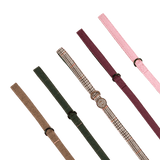
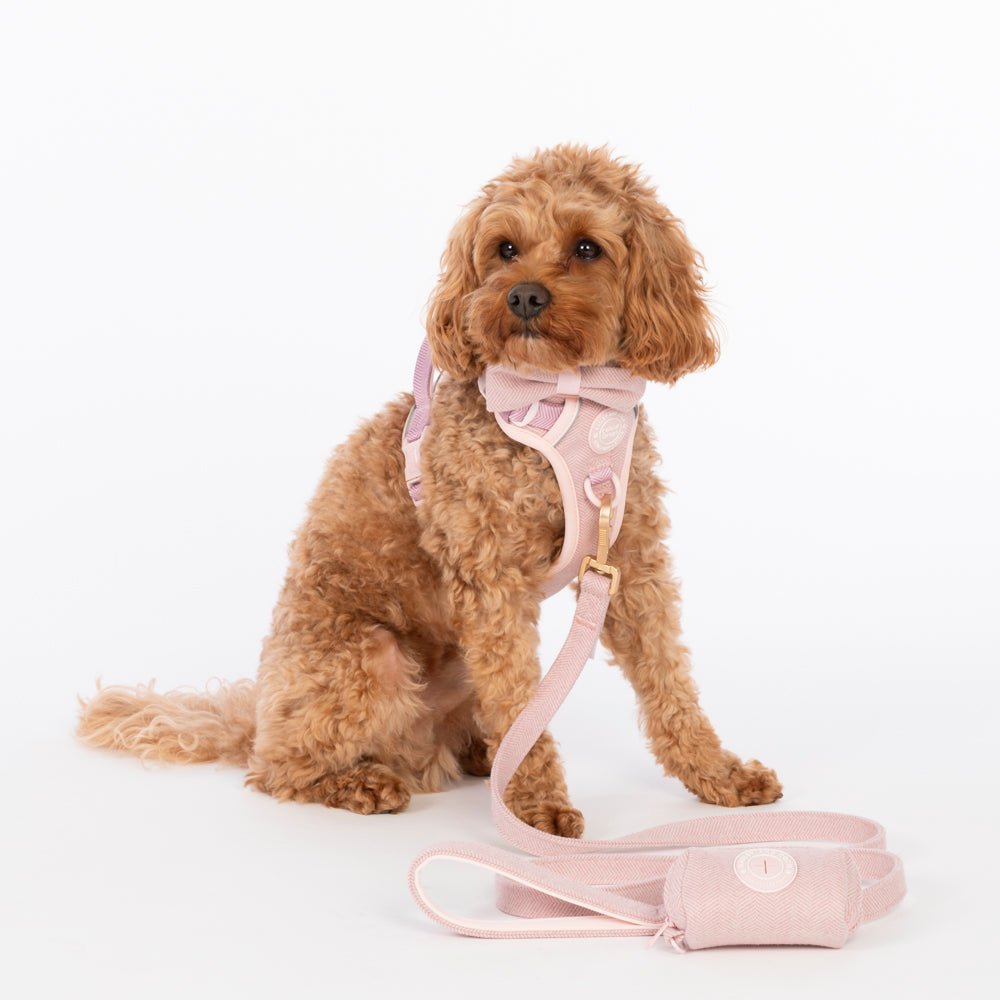
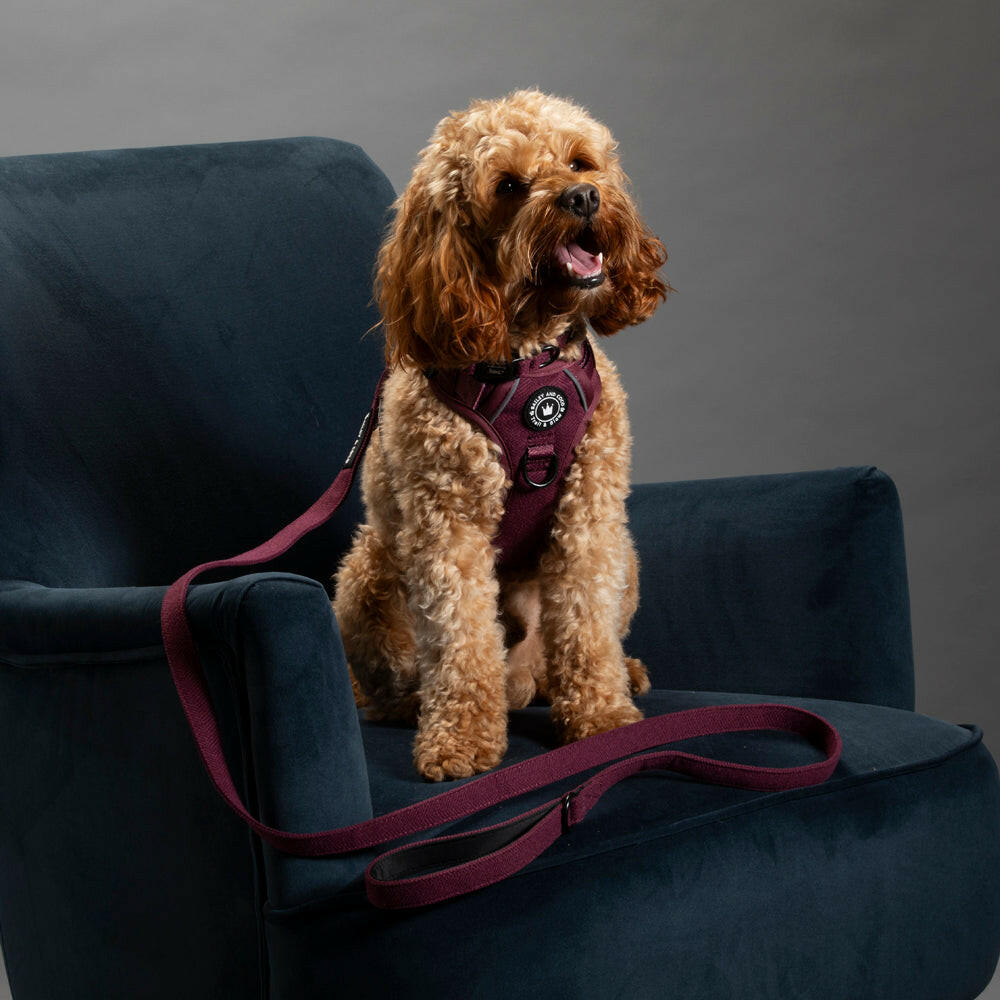
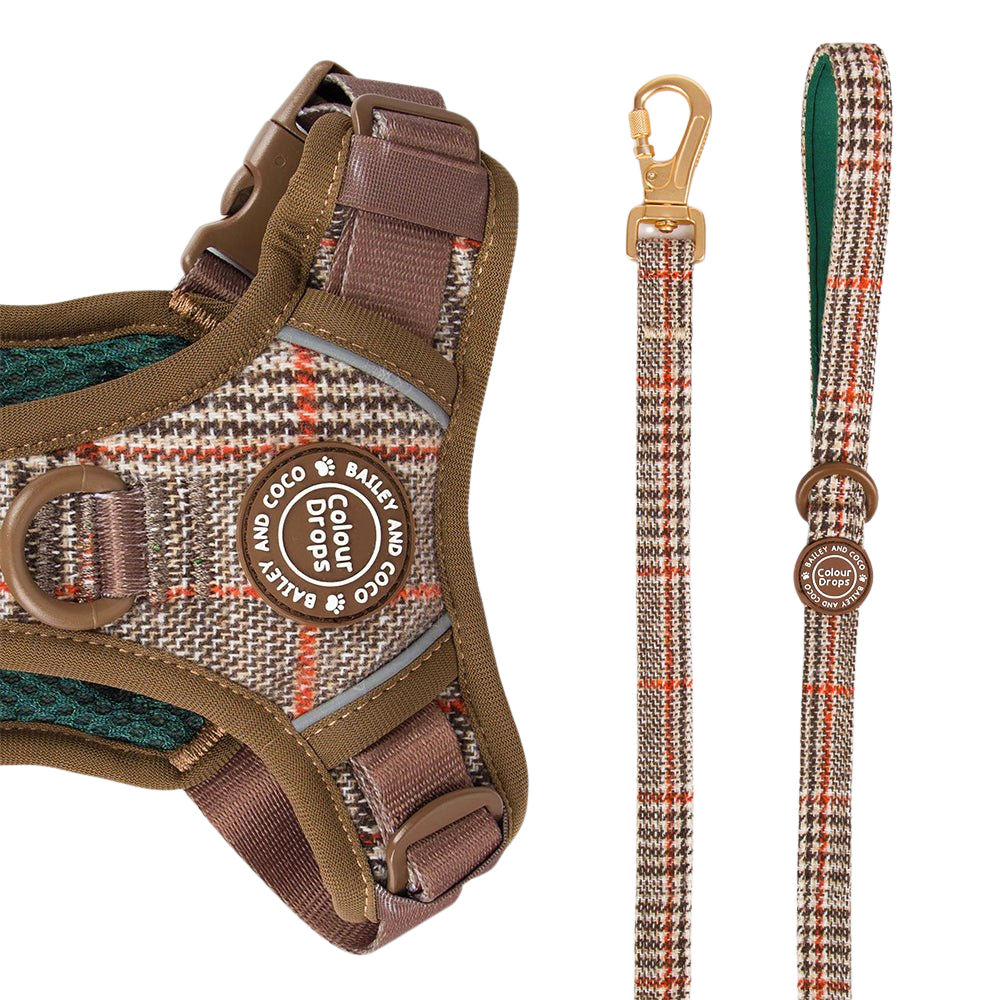
Soft fabric leads are the gold standard for puppies. They are lightweight, gentle on your puppy's skin, comfortable to hold, and available in a wide range of colours and patterns. The Bailey & Coco Fabric Dog Leads are an excellent example, featuring soft tweed fabric with a padded neoprene handle, reflective stitching, and a D-ring, all at just £15 to £18.
Fabric leads are also quiet. Unlike chain or heavy hardware leads that clank and jingle, a fabric lead moves silently, which is less startling for a nervous puppy encountering the lead for the first time.
Nylon Webbing
Standard nylon webbing leads are functional and affordable, but they can be rough on your hands and your puppy's skin. They also lack the style and comfort features of a well-designed fabric lead. If budget is a concern, nylon can work for very short-term use, but you will likely want to upgrade quickly.
Rope
Rope leads are strong and durable, but they tend to be heavier than fabric leads. For larger breed puppies (Labrador pups, Golden Retriever pups, etc.), a rope lead can work well from around 4 to 5 months of age. For smaller puppies, they may be too heavy and bulky initially.
Leather
Leather leads are beautiful and durable but tend to be stiff when new and relatively heavy. They are better suited as an adult dog lead rather than a puppy's first lead. Once broken in, leather can be excellent, but the stiffness and weight make it a poor starter choice.
Chain
Chain leads should be avoided entirely for puppies. They are heavy, cold, noisy, and can injure a puppy's teeth and gums if they mouth the lead. There is no advantage to a chain lead for a puppy.
Lead Length for Puppies
Lead length is a critical choice for puppy owners. The length affects how much control you have, how much freedom your puppy feels, and how effective your training can be.
Why Shorter Is Better for Puppies
For puppies, a shorter lead provides more control during the critical early training period. With a shorter lead, you can redirect your puppy more quickly, prevent them from getting into dangerous situations, and maintain a closer connection that helps build confidence. Your puppy feels your presence more clearly on a shorter lead, which is reassuring for a young dog experiencing the world for the first time.
The 5ft Sweet Spot
A 5ft lead is the ideal length for puppy training and early walks. It is short enough to maintain control and keep your puppy close, but long enough to let them move naturally and explore their surroundings without feeling restrained. This is the standard length used by professional puppy trainers across the UK, and it is the length available across the Bailey & Coco lead range.
Avoid Very Long Leads for Young Puppies
Long leads (10ft to 30ft) have their place in recall training for older puppies and adult dogs, but they are not suitable for young puppies learning to walk. The excess length creates tangles, reduces your control, and can allow your puppy to build up speed before hitting the end of the lead, which is uncomfortable and potentially harmful.
Common Puppy Lead Mistakes
Many well-meaning puppy owners make mistakes that can hinder their dog's lead training or create negative associations. Here are the most common ones and how to avoid them:
Choosing a Lead That Is Too Heavy
This is the most common mistake. A lead designed for an adult Rottweiler is not appropriate for a 3 kg puppy. The weight pulls on their neck, affects their balance, and makes the whole experience unpleasant. Always choose a lead that is proportionate to your puppy's current size, not their projected adult size.
Starting with a Retractable Lead
Retractable leads are one of the worst choices for puppies. They teach your puppy that pulling extends their range, which is the exact opposite of what you want. The constant tension of the retractable mechanism also means the lead is never truly slack, so your puppy never learns what a loose lead feels like. The fixed versus retractable lead debate is clear when it comes to puppies: fixed wins every time.
Using the Wrong Length
A lead that is too long gives you insufficient control over a puppy that has not yet learned the rules. A lead that is too short restricts their movement and can create frustration and resistance. Five feet is the recommended balance for puppies of all sizes.
Pulling or Jerking the Lead
Yanking a puppy when they go the wrong way or pull is counterproductive and can be harmful. Puppies learn through positive experiences, not punishment. If your puppy pulls, stop, wait, and redirect with encouragement. Never jerk the lead. Patience and consistency are far more effective than force.
Skipping the Indoor Introduction
Taking your puppy straight outside on a lead without any indoor preparation is overwhelming. The lead, the harness, the smells, the sounds, the sights: it is too much at once. Always introduce the lead indoors first, then garden, then public spaces. Layer the new experiences gradually.
Choosing Style Over Function
It is tempting to buy the prettiest or most fashionable lead you see. There is nothing wrong with wanting your puppy to look good, but prioritise function first. A beautiful lead that is too heavy, too stiff, or has an oversized clip will hinder your training regardless of how nice it looks. The best puppy leads combine both, like the Bailey & Coco fabric range which delivers style in lightweight, functional designs.
Puppy Lead Training Timeline
Here is a realistic week-by-week timeline for puppy lead training. Every puppy is different, so adjust the pace to suit your individual pup. Some puppies will progress faster, others will need more time at certain stages. That is perfectly normal.
Weeks 1-2: Introduction (8-10 Weeks Old)
Focus entirely on indoor familiarisation. Let your puppy sniff and explore the lead. Attach it and let it trail while supervised. Pick up the lead and follow your puppy around. Keep sessions short (2 to 5 minutes) and always positive. Pair the lead with treats and praise.
Weeks 3-4: Garden Practice (10-12 Weeks Old)
Move to your garden for short practice sessions. Begin gentle guidance using treats to lure your puppy in different directions. Practise stopping and starting. Introduce the concept of walking beside you rather than in front or behind. Continue indoor sessions alongside garden work.
Weeks 5-6: First Public Walks (12-14 Weeks Old)
After your vet confirms vaccinations are complete, begin short public walks. Choose quiet, calm routes. Keep walks to 10 to 15 minutes. Focus on positive experiences rather than distance. Allow your puppy to stop, sniff, and observe. Reward calm walking generously.
Weeks 7-8: Building Confidence (14-16 Weeks Old)
Gradually increase walk duration and introduce slightly busier environments. Begin practising basic loose-lead walking technique. Reward your puppy for walking beside you with a slack lead. Start introducing simple cues like "let's go" for changes of direction.
Weeks 9-12: Developing Skills (16-20 Weeks Old)
By now, your puppy should be reasonably comfortable on the lead. Focus on refining loose-lead walking, practising in different environments, and gradually reducing the frequency of treats while maintaining verbal praise. Begin walking past mild distractions and rewarding your puppy for staying focused on you.
Months 4-6: Consolidation (16-24 Weeks Old)
Continue practising in increasingly varied and challenging environments. Your puppy is now old enough for longer walks (following the five-minutes-per-month-of-age guideline for joint health). Consistency is key during this period. Maintain the same rules and rewards regardless of the environment. If you are pairing your lead with a harness, our dog harness buying guide covers how to choose the right one as your puppy grows.
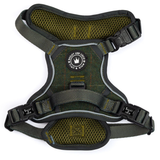
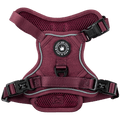
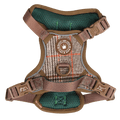
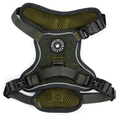
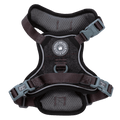
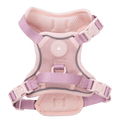
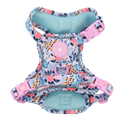
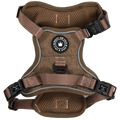
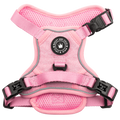
Our adjustable harnesses start from size XS and grow with your puppy, so you only need one harness through most of the first year.
Puppy Lead Feature Comparison
| Feature | Fabric Lead | Nylon Webbing | Rope Lead | Retractable Lead |
|---|---|---|---|---|
| Weight | Very light | Light | Medium | Heavy (mechanism) |
| Puppy Comfort | Excellent | Good | Fair (heavier) | Poor |
| Padded Handle | Yes (neoprene) | Rarely | Varies | Plastic grip |
| Training Suitability | Excellent | Good | Good (older pups) | Poor |
| Loose-Lead Learning | Excellent | Good | Good | Counterproductive |
| Grows with Puppy | Yes (to adulthood) | Yes | Yes (larger breeds) | No |
| Price Range | £15-£18 | £5-£15 | £19-£26 | £10-£30 |
When to Upgrade to an Adult Lead
Your puppy will not need a puppy-specific lead forever. Here are the signs that it is time to upgrade:
Physical Growth
When your puppy reaches their adult size (or close to it), they may need a sturdier lead. Larger breeds like Labradors, German Shepherds, and Golden Retrievers typically outgrow their puppy lead between 6 and 12 months of age. Smaller breeds may use the same lead well into adulthood.
Increased Strength
As your puppy grows and their muscles develop, they become significantly stronger. If your current lead feels like it is being tested by their pulling strength, it is time to upgrade. For strong breeds, a rope lead with a lockable clip provides the security an adult dog needs.
Wear and Tear
Puppies can be rough on leads. If your lead shows signs of fraying, the clip is weakening, or the stitching is coming loose, replace it immediately. A failing lead is a safety hazard.
Changing Needs
As your puppy matures and their walking habits become established, you might want to add different leads for different purposes. A waterproof lead for rainy days, a longer lead for field walks, or a slip lead for quick trips. Building a small lead collection as your dog grows is a practical approach.
The good news is that many puppy leads, including the Bailey & Coco fabric leads, are built well enough to serve as your dog's primary lead well into adulthood, especially for small and medium breeds. The £15 to £18 investment often lasts far longer than the puppy stage.
Bailey & Coco Fabric Leads: The Ideal Starter Lead
We recommend the Bailey & Coco Fabric Dog Leads as an excellent first lead for puppies. Here is why they tick every box for new puppy owners:
- Lightweight construction - Light enough for even small puppies to wear comfortably without being weighed down or restricted.
- Padded neoprene handle - Protects your hands during those first excitable walks when your puppy pulls, lunges, and generally tests the boundaries.
- 5ft length - The perfect training length, recommended by professional puppy trainers for building good lead habits from the start.
- Reflective stitching - Adds safety during early morning or evening walks, which is especially important during the darker months.
- D-ring - A handy attachment point for poo bag holders, ID tags, or small accessories.
- Beautiful designs - Available in a range of tweed patterns that look fantastic on puppies of all breeds. Your puppy's first lead should be something you are proud to use.
- £15-£18 price point - Outstanding value for a well-made lead that will grow with your puppy into adulthood.
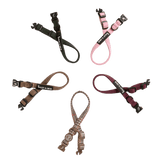
For puppies that will grow into larger, stronger breeds, you may eventually want to upgrade to a Bailey & Coco Rope Lead or Waterproof Lead as they mature. But for the puppy stage and beyond, the fabric lead is a smart, comfortable, and stylish starting point. You can also pair your puppy's lead with a properly fitted puppy collar or explore the wider dog collar range as they grow.
Puppy Walking Milestones
Every puppy develops at their own pace, but here are some general milestones to look forward to on your lead training journey:
| Age | Milestone | What to Expect |
|---|---|---|
| 8-10 weeks | Lead acceptance | Puppy is comfortable wearing the lead indoors |
| 10-12 weeks | Garden walking | Short walks in the garden with gentle guidance |
| 12-14 weeks | First public walk | Short, positive outings after vaccinations complete |
| 14-16 weeks | Growing confidence | Longer walks, more environments, basic lead manners |
| 4-6 months | Loose-lead progress | Puppy walks on a mostly slack lead in familiar areas |
| 6-9 months | Adolescent testing | Expect regression as hormones kick in; stay consistent |
| 9-12 months | Reliable walking | Consistent lead walking in most environments |
Remember that adolescence (roughly 6 to 18 months depending on breed) often brings a regression in lead behaviour. This is normal. Your previously well-behaved puppy may start pulling, lunging, or ignoring you again. Stay patient, go back to basics if needed, and maintain consistency. They will come through the other side.
Frequently Asked Questions
What age can I start using a lead on my puppy?
You can start introducing your puppy to a lead indoors from 8 weeks of age. Let them wear it while supervised, dragging it around the house to get comfortable. For outdoor walks on public ground, wait until your vet confirms their vaccinations are complete, which is usually around 10 to 12 weeks. You can practise in your own garden before that point.
What is the best type of lead for a puppy?
A lightweight fabric lead is the best choice for puppies. It is light enough not to weigh them down, soft enough not to irritate their skin, and comfortable for you to hold during training. The Bailey & Coco Fabric Dog Leads at £15 to £18 are ideal, with padded neoprene handles, reflective stitching, and a 5ft training-friendly length.
Should I use a retractable lead for my puppy?
No. Retractable leads are not suitable for puppies. They teach puppies that pulling extends their freedom, which is the opposite of good lead training. The constant tension means the lead is never truly slack, so your puppy cannot learn what a loose lead feels like. Stick to a fixed-length 5ft lead for all puppy training and early walks.
How long should a puppy lead be?
A 5ft lead is the ideal length for puppies. It provides enough freedom for comfortable, natural movement while keeping your puppy close enough for effective control and training. This length is recommended by professional dog trainers and is the standard across the Bailey & Coco lead range. Avoid longer leads until your puppy has mastered basic lead manners.
When should I upgrade my puppy's lead to an adult lead?
Upgrade when your puppy reaches their adult size or when they have outgrown the strength of their current lead. For large breeds, this is typically between 6 and 12 months. For small and medium breeds, a quality fabric lead like the Bailey & Coco range can serve from puppyhood through to adulthood without needing replacement, making them excellent value.
My puppy refuses to walk on the lead. What should I do?
Do not force them. Go back to basics with indoor lead introduction. Let them wear the lead without any pressure to walk. Use high-value treats to create positive associations. Crouch down at their level and encourage them gently. Some puppies need more time than others. If the refusal persists, check that the lead and collar or harness fit correctly and are not causing discomfort.
Should my puppy wear a collar or harness with their lead?
For most puppies, a harness is the safer and more comfortable option, especially during the training phase when pulling is common. A harness distributes pressure across the chest rather than concentrating it on the throat. A collar is fine for puppies that walk calmly, but always have one for carrying ID tags. Our harness buying guide covers sizing and fitting for puppies.
Once your puppy is confident on the lead, make sure they have the right collar too. Our best dog collars UK guide covers every collar type, material and sizing option to help you find the perfect fit.


