




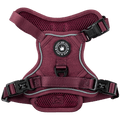
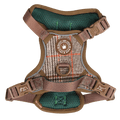
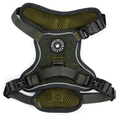
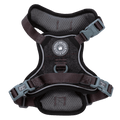
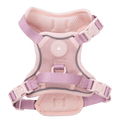
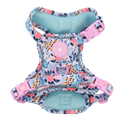
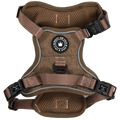
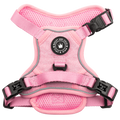








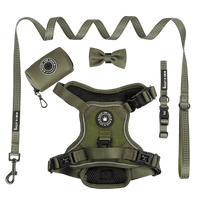

Quick Answer
For most UK dogs, an adjustable flat collar in fabric or tweed is the best everyday choice. It carries legally required ID tags, attaches securely to a lead, and is comfortable enough for all-day wear. For wet weather and active dogs, add a waterproof collar. Sighthounds need a martingale collar to prevent escape. Under UK law, every dog in a public place must wear a collar with the owner's name and address.
Choosing the right collar for your dog is one of the most important decisions you will make as a pet parent. A good collar keeps your dog safe, comfortable, and looking their best on every walk, whether that is a sunny afternoon in the park or a drizzly January morning. With so many options on the market, from adjustable fabric collars to waterproof designs, finding the perfect fit can feel overwhelming.
This complete guide covers every type of dog collar available in the UK, explains how to choose the right one for your dog's breed, size, and lifestyle, and breaks down the materials so you can make an informed decision. We have also included UK law requirements, breed-specific recommendations, a full sizing guide, and an honest look at when a collar is the right choice and when a harness might be better.
At Bailey & Coco, we design premium adjustable collars in beautiful tweed patterns and hard-wearing waterproof finishes. Every collar in our range is made with comfort, durability, and style in mind. Let us help you find the one that is perfect for your dog.
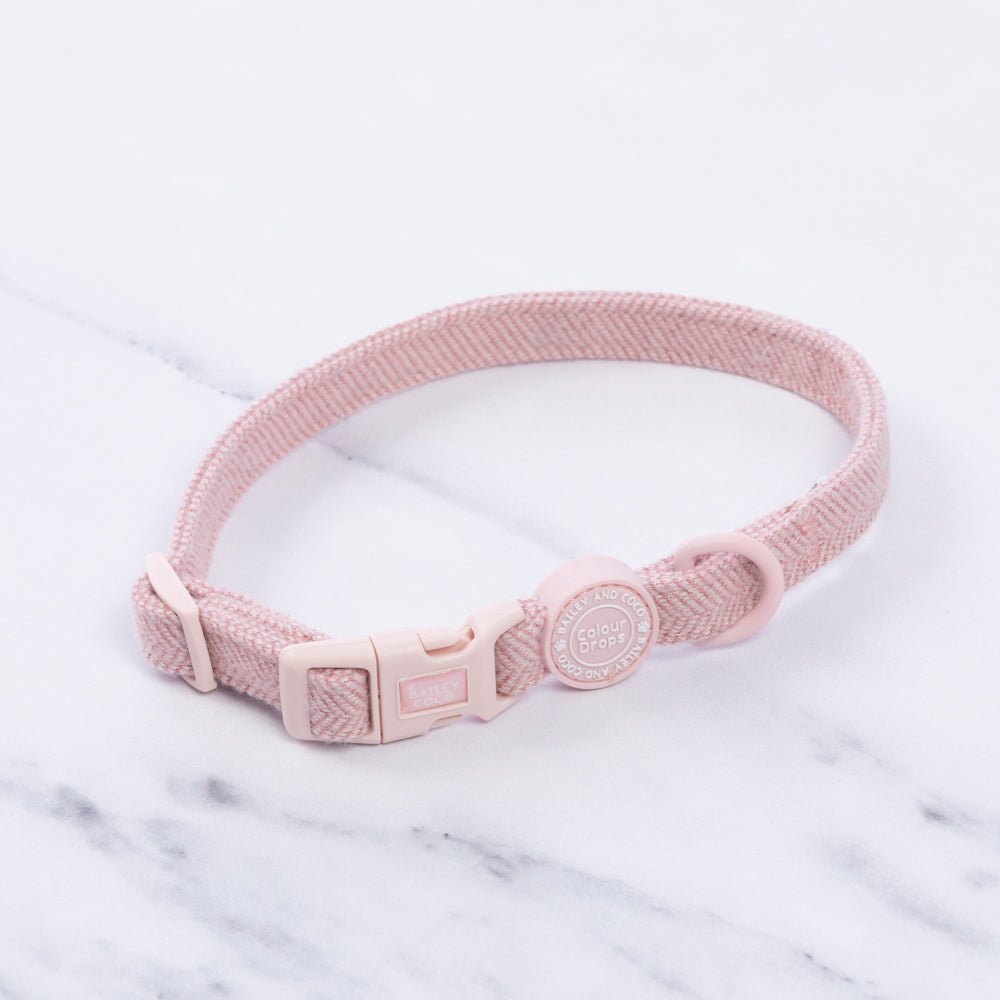
What We Cover
- Types of Dog Collars
- UK Law: Why Every Dog Needs a Collar
- How to Choose the Right Dog Collar
- Best Dog Collar by Breed
- Dog Collar Materials Explained
- Dog Collar Sizing Guide
- Collar vs Harness: Do You Need Both?
- Collar Safety Features
- Collar Care and Maintenance
- The Bailey and Coco Collar Range
- Frequently Asked Questions
Types of Dog Collars
Before you start shopping, it helps to understand the main collar types available in the UK. Each style suits different dogs, different activities, and different training needs. Here is a quick overview of the six most common types.
Flat and Adjustable Collars
The most popular collar type in the UK, flat collars are the everyday go-to for most dog parents. Adjustable versions let you dial in the perfect fit as your dog grows or if their weight fluctuates seasonally. They come in a huge range of materials, from classic fabric dog collars to nylon and leather options. Our Bailey & Coco adjustable collars feature a strong side-release buckle and a welded D-ring for secure lead attachment.
Martingale Collars
Martingale collars use a gentle tightening action to prevent dogs from slipping out. They are particularly popular with sighthounds like Greyhounds and Whippets, whose narrow heads can easily escape a standard flat collar. The design tightens just enough to be secure without choking, making them a humane alternative to choke chains.
Slip Collars and Leads
Slip collars combine the collar and lead into one piece. They are commonly used by dog trainers and at veterinary practices for quick, secure handling. While useful in specific situations, they are not recommended for everyday walks as they can tighten under sustained pressure.
Breakaway Collars
Breakaway collars are designed with a safety release that opens under pressure. They are ideal for dogs who spend time off-lead in wooded areas where a standard collar could snag on branches. Some dog parents use them as indoor house collars for dogs who play together.
Personalised Collars
Personalised dog collars feature your dog's name, your phone number, or both, embroidered or engraved directly onto the collar. They serve as an alternative to ID tags and are particularly practical for dogs who tend to lose their tags during play.
Waterproof Collars
For dogs who love swimming, muddy puddles, or simply live in a part of the UK where rain is a daily event, waterproof dog collars are a game-changer. They resist moisture, dry quickly, and do not develop that unpleasant damp-dog smell that fabric collars can hold onto. Our Bailey & Coco waterproof collars are perfect for adventurous dogs who refuse to let the British weather slow them down.
Collar Type Comparison
| Type | Best For | Closure Style | Adjustable | Weather Resistant |
|---|---|---|---|---|
| Flat / Adjustable | Everyday walks, ID tags | Buckle or side-release clip | Yes | Depends on material |
| Martingale | Sighthounds, escape-prone dogs | Slip loop with limited tightening | Yes | Depends on material |
| Slip | Training, vet visits | Continuous slip loop | Self-adjusting | Depends on material |
| Breakaway | Off-lead play, indoor use | Safety-release buckle | Yes | Depends on material |
| Personalised | ID without tags, style | Varies (usually buckle) | Varies | Varies |
| Waterproof | Swimmers, muddy walks, rain | Buckle or side-release clip | Yes | Yes |
UK Law: Why Every Dog Needs a Collar
In the UK, a dog collar is not just an accessory. It is a legal requirement. Understanding the rules helps you stay compliant and keeps your dog safe if they ever get lost.
The Control of Dogs Order 1992 requires every dog in a public place in England, Scotland and Wales to wear a collar with the owner's name and address inscribed on it or attached to it. A phone number is not legally required but is strongly recommended. This law applies to all dogs, regardless of breed, size, or age. The collar must be worn at all times when the dog is in any public place, including parks, pavements, beaches and open countryside.
Important
Failing to comply with the Control of Dogs Order 1992 can result in a fine of up to £5,000. A harness, no matter how well fitted, does not satisfy this requirement. Your dog must wear a collar with your name and address whenever they are in a public place. For a plain-English walkthrough of the Control of Dogs Order 1992 and what it means in practice, our UK dog tag law guide covers the detail.
The Microchipping of Dogs (England) Regulations 2015 requires all dogs in England to be microchipped by the time they are eight weeks old. The microchip details must be kept up to date on a registered database. While a microchip is a vital backup for identification, it does not replace the legal requirement for a collar and tag. A microchip can only be read with a scanner, whereas a collar tag allows anyone who finds a lost dog to contact the owner immediately.
Scotland and Wales have similar requirements. In Scotland, the Control of Dogs (Scotland) Act 2010 gives local authorities additional powers to issue Dog Control Notices. In Wales, the Microchipping of Dogs (Wales) Regulations 2015 mirrors the English requirement.
The simplest way to stay compliant is to fit your dog with a comfortable collar that carries a tag with your name, address and phone number. A personalised collar with your details embroidered directly onto the fabric is a smart alternative that cannot fall off or jingle.
Top Tip
Include your postcode and phone number on the tag as well as your name and address. If your dog ever escapes, a phone number gets them home faster than a postal address. Check the tag regularly for wear, as engraved text can become illegible over time. Our separate piece on dog tag engraving that lasts in UK weather covers which engraving methods stay legible for years.
How to Choose the Right Dog Collar
With so many collar types on the market, narrowing down the right one for your dog comes down to five key factors: neck size, fit, material, activity level, and breed. Get these right and you will have a collar that is comfortable, safe, and built to last.
Measuring Your Dog's Neck
Before ordering any collar, you need an accurate neck measurement. Use a soft fabric tape measure and wrap it around the base of your dog's neck, roughly where the collar will sit. This is usually just above the shoulders and below the ears. Write down the measurement in centimetres. If you are between sizes, always size up.
Getting the Right Fit
A collar that is too tight restricts breathing and causes irritation. A collar that is too loose can slip over your dog's head. The golden rule is the two-finger test: once the collar is fastened, you should be able to slide two fingers between the collar and your dog's neck. If you can only fit one finger, it is too tight. If you can fit three, it is too loose.

Choosing the Right Material
The material determines how the collar feels, how long it lasts, and how easy it is to keep clean. Fabric collars like our tweed designs are soft, stylish, and comfortable for everyday wear. Waterproof collars are the practical choice for dogs who are constantly getting wet. We cover materials in full detail in the next section.
Matching to Your Dog's Activity Level
A calm lapdog who mostly walks around the neighbourhood has very different collar needs to a working spaniel who charges through undergrowth every morning. For low-activity dogs, a soft fabric collar is ideal. For high-energy, outdoor dogs, consider a waterproof collar that can handle mud, water, and rough terrain. If your dog pulls heavily, you might want to pair a collar with a harness for walks.
Breed Considerations
Some breeds have specific collar requirements. Sighthounds (Greyhounds, Whippets, Lurchers) benefit from wider collars or martingale collars to prevent escape. Small breeds like Chihuahuas and Yorkshire Terriers need lightweight, narrow collars that do not overwhelm their frame. Check our guide to collars for small dogs for breed-specific recommendations. Flat-faced breeds such as Pugs and French Bulldogs often do better with a harness for walking, using a collar only for ID.
Best Dog Collar by Breed
Different breeds have different neck shapes, coat types and sensitivities. A collar that works perfectly for a Labrador can be uncomfortable or insecure on a Whippet, and a collar sized for a Staffie would overwhelm a Chihuahua. Breed shape matters more than weight when choosing a collar. A stocky French Bulldog has a very different neck-to-head ratio compared to a sleek Greyhound, and each needs a different collar style to be safe and comfortable. This table maps the most popular UK breeds to their ideal collar type, width and material.
| Breed | Recommended Type | Ideal Width | Key Consideration |
|---|---|---|---|
| Labrador Retriever | Adjustable fabric or waterproof | 25mm | Strong hardware; waterproof for swimmers |
| Cockapoo | Adjustable fabric | 20mm | Measure under the curly coat, not over it |
| French Bulldog | Flat collar (ID only); harness for walks | 20 - 25mm | Never walk on collar alone (airway risk) |
| Whippet / Greyhound | Martingale or wide flat | 30 - 40mm | Wide collar prevents escape; protects slim neck |
| Dachshund | Lightweight fabric; harness for walks | 15 - 20mm | Use collar for ID; harness protects spine |
| Staffordshire Bull Terrier | Wide adjustable, strong hardware | 25 - 30mm | Heavy-duty buckle; welded D-ring essential |
| Cocker Spaniel | Adjustable fabric or waterproof | 20 - 25mm | Check fit under ear feathering |
| German Shepherd | Wide adjustable, heavy-duty | 25 - 30mm | Strong buckle; reflective elements for visibility |
| Yorkshire Terrier | Lightweight fabric; harness for walks | 10 - 15mm | Trachea risk; collar for ID only |
| Pug | Flat collar (ID only); harness for walks | 15 - 20mm | Never walk on collar (brachycephalic airway risk) |
| Golden Retriever | Adjustable fabric or waterproof | 25mm | Waterproof ideal for water-loving breed |
| Border Collie | Adjustable fabric | 20 - 25mm | Reflective elements for countryside walks |
| Cavapoo | Adjustable fabric | 15 - 20mm | Lightweight; measure under curly coat |
| Beagle | Adjustable fabric or martingale | 20 - 25mm | Escape-prone; martingale prevents slip-out |
Dog Collar Materials Explained
The material your collar is made from affects everything: comfort, durability, style, and how it handles the British weather. Cheap collars made from stiff, low-grade webbing can cause rubbing, hold odour, and deteriorate within weeks. A premium material, on the other hand, will feel soft from day one, maintain its shape over months of daily use, and look good doing it. Understanding what each material offers helps you invest wisely and avoid the false economy of buying a cheap collar that needs replacing every few months.
Here is an honest breakdown of the most common collar materials in the UK market.
Fabric and Tweed
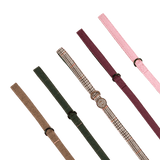
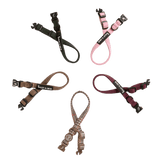
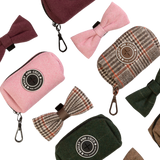
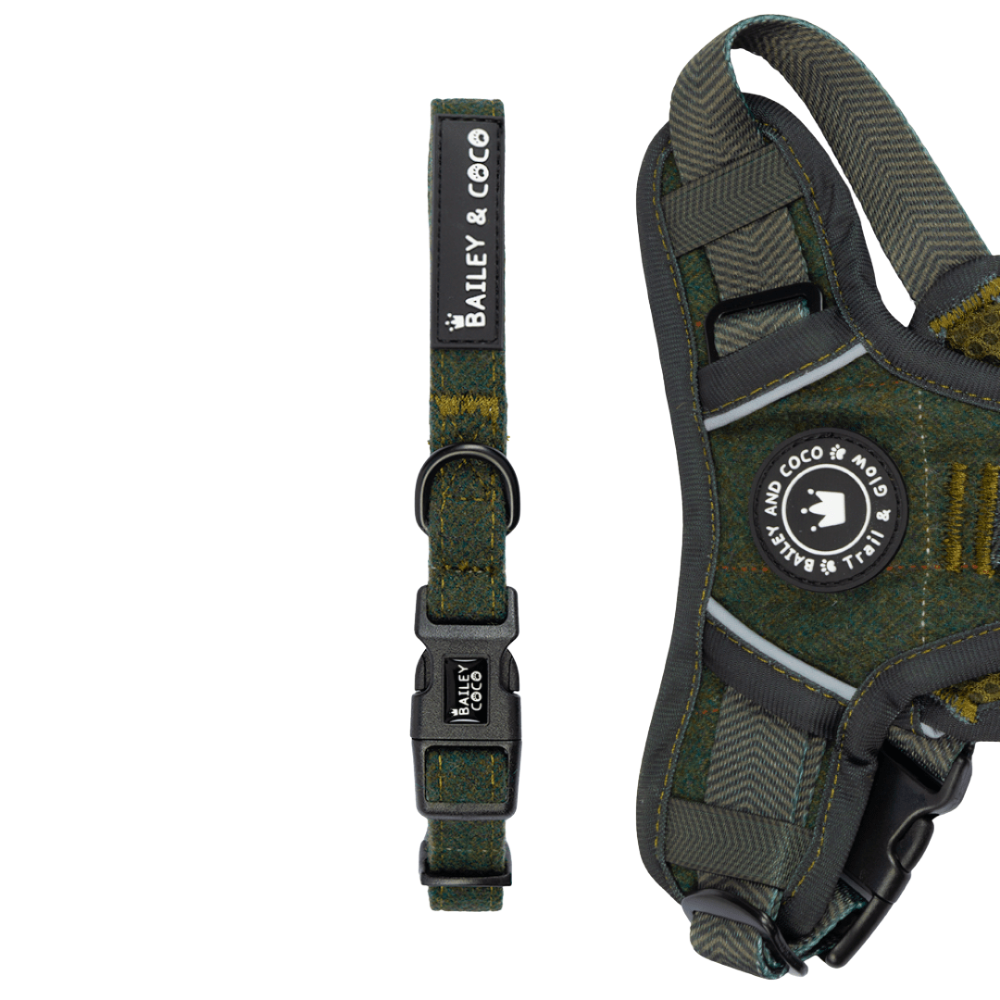
Fabric collars are the most popular choice for fashion-conscious dog parents. They are soft against the coat, come in an enormous range of patterns and colours, and are typically the most comfortable option for everyday wear. Tweed dog collars have become especially popular in the UK, offering a heritage-inspired look that suits everything from Cockapoos to Labradors. Our Bailey & Coco tweed collars are available in five signature patterns: Charcoal, Mulberry, Heritage Plaid, Lavender, and Forest. They are lined for comfort and pair beautifully with our matching leads.
Nylon
Nylon is the workhorse of the collar world. It is affordable, comes in every colour imaginable, and is reasonably durable. However, nylon collars can cause friction against the coat, especially on long-haired breeds, and cheaper versions can fray at the edges. They are a solid budget option but lack the premium feel and finish of fabric or tweed.
Waterproof Materials
Waterproof collars are typically made from coated webbing, BioThane, or similar synthetic materials that repel water and resist odour. They are the go-to for dogs who swim, roll in mud, or walk in the rain daily. They are also the easiest to clean: just wipe them down. Our waterproof dog collars are designed for the realities of British weather and active dogs who do not believe in staying dry. Read our water resistant vs waterproof guide for a full material comparison.
Leather
Leather collars look classic and age beautifully when cared for. High-quality leather softens over time and moulds to your dog's neck. The downsides are that leather requires conditioning to prevent cracking, it does not handle water well, and it takes longer to dry. It is best suited to dogs with a more relaxed lifestyle.
Neoprene-Lined
Neoprene is the material used in wetsuits, and it is increasingly being used as a lining inside collars for extra comfort. Neoprene-lined collars are soft against the skin, reduce rubbing, and are a good choice for dogs with sensitive necks or thin coats. They add a small amount of bulk but significantly improve comfort.
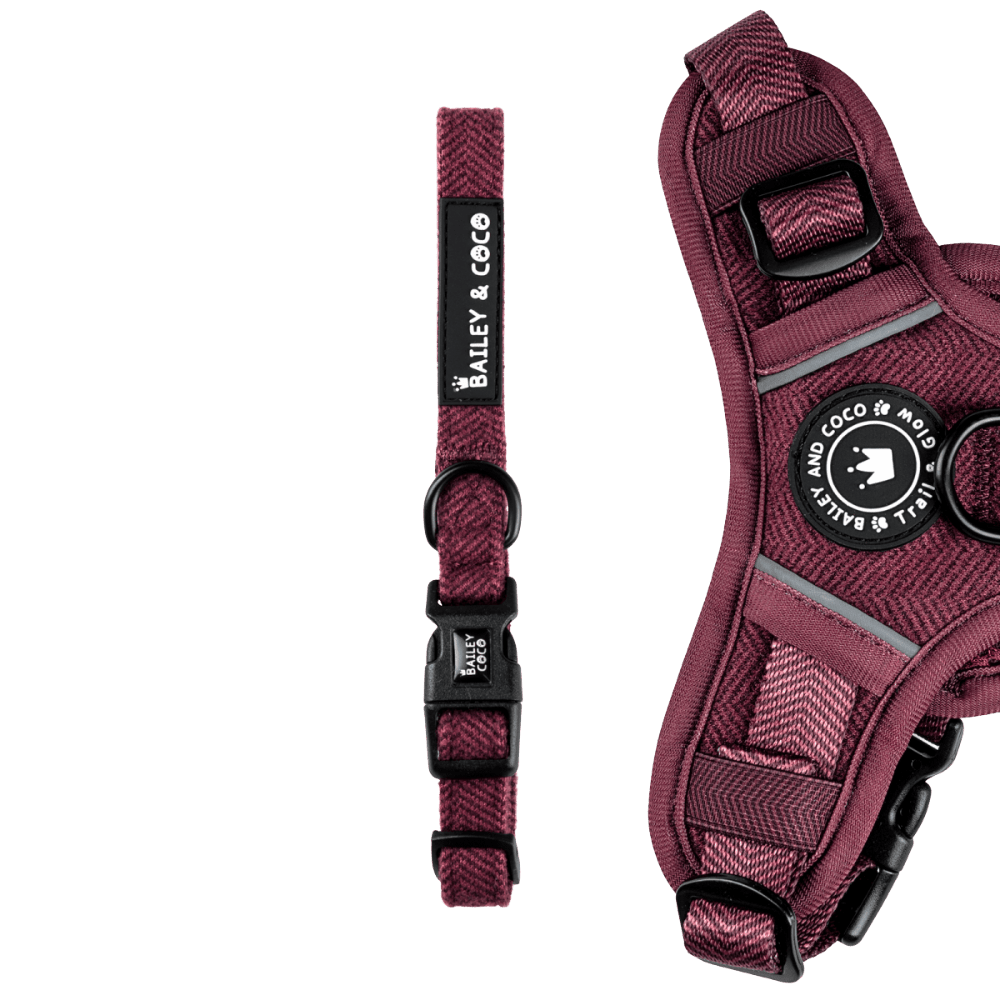
Material Comparison
| Material | Comfort | Durability | Style | Washability | Best For |
|---|---|---|---|---|---|
| Fabric / Tweed | Excellent | Good | Excellent | Hand wash | Everyday wear, fashion |
| Nylon | Moderate | Good | Basic | Machine washable | Budget-friendly, active dogs |
| Waterproof | Good | Excellent | Good | Wipe clean | Swimmers, muddy walks, rain |
| Leather | Good (improves with age) | Excellent | Classic | Wipe only, condition regularly | Low-activity dogs, traditional style |
| Neoprene-Lined | Excellent | Good | Good | Hand wash | Sensitive skin, thin coats |
Dog Collar Sizing Guide
Getting the size right is not optional. An ill-fitting collar is uncomfortable at best and dangerous at worst. Here is everything you need to know about sizing a dog collar correctly.
How to Measure Your Dog's Neck
You will need a soft fabric tape measure. If you do not have one, use a piece of string and then hold it against a ruler.
- Have your dog standing in a relaxed, natural position.
- Wrap the tape measure around the base of their neck, sitting where the collar will rest. This is usually just above the shoulders.
- Make sure the tape is snug but not tight. You should be able to slide one finger underneath.
- Note the measurement in centimetres.
- Add 2 to 3 centimetres to the measurement to allow for comfortable adjustment.
The Two-Finger Rule
Once the collar is on your dog, slide two fingers between the collar and their neck. If two fingers fit comfortably, the fit is correct. One finger means it is too tight. Three or more fingers means it is too loose and your dog could slip out. This rule applies to all collar types and all breeds.
Puppy Sizing
Puppies grow fast, and a collar that fits perfectly today might be too snug within a few weeks. For puppies, choose an adjustable collar with a wide size range so it can grow with them. Check the fit weekly and adjust as needed. Our puppy collars guide covers when to introduce a collar, which size to start with, and how often to check the fit.
If you are choosing a collar for a new puppy, getting them comfortable wearing it is the first step before lead training begins. Our guide on how to teach a puppy to walk on a lead covers the full process from indoor introduction to confident outdoor walks.
Top Tip
Measure your dog's neck on two separate occasions before ordering. Dogs can puff up slightly when excited, giving a larger reading. Taking two measurements ensures you get an accurate size and avoid the hassle of exchanging.
When to Resize or Replace
You should check your dog's collar fit regularly, not just when they are a puppy. Dogs can gain or lose weight seasonally, and a collar that fitted perfectly in summer might be too loose after winter. Also watch for signs of wear: fraying edges, a weakened buckle, or faded fabric are all signals that it is time for a replacement. A worn collar is a genuine safety risk.
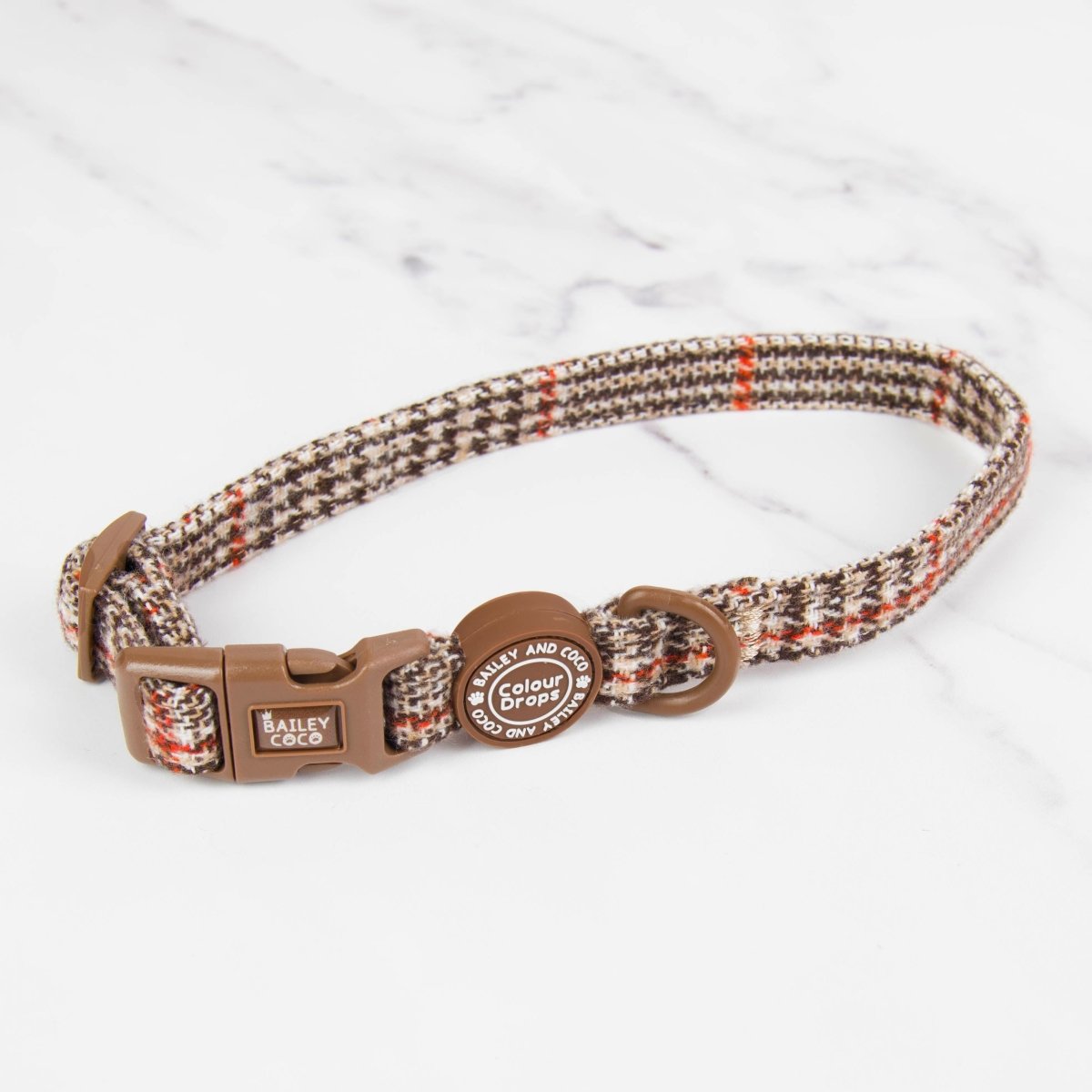
Collar vs Harness: Do You Need Both?
This is one of the most common questions we hear from dog parents, and the honest answer is that most dogs benefit from having both a collar and a harness. They serve different purposes, and using the right one at the right time keeps your dog comfortable and safe. Choosing between them is not an either-or decision. Think of a collar as your dog's everyday ID carrier and a harness as their walking equipment.
When to Use a Collar
Collars are ideal for carrying ID tags (which are a legal requirement in the UK), for casual walks with dogs who walk well on the lead, and for quick trips outside. They are lightweight, easy to put on, and most dogs barely notice they are wearing one. For well-trained dogs who do not pull, a collar is all you need for everyday walks. For the tag side of that setup, our owner-tested best dog tags in the UK cover which styles stay readable through years of walks.
When to Use a Harness
Harnesses distribute pressure across your dog's chest and shoulders rather than concentrating it on the neck. They are the better choice for dogs who pull, puppies in training, small breeds at risk of tracheal damage, and brachycephalic breeds with compromised airways. Our collar vs harness guide goes into the full comparison so you can make the right call for your dog.
The Case for Both
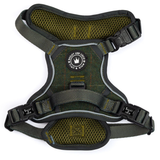
Many experienced dog parents use a collar for ID and a harness for walks. The collar stays on at all times with your dog's name tag and your contact details, while the harness comes out when it is time for a walk. This gives you the best of both worlds: legal compliance, secure identification, and comfortable, controlled walking. Check our harness buying guide for help choosing the right harness to pair with your collar.
You can also browse our full harness collection directly to see all available sizes, patterns, and styles.
Collar Safety Features
A collar is worn all day in many cases, so safety features matter more than many dog parents realise. The right safety features can prevent injuries during off-lead play, improve visibility on dark winter walks, and even save your dog's life in an emergency. Not every collar needs every feature, but knowing what is available helps you make an informed choice for your dog's lifestyle.
Reflective elements: During UK winter months, most morning and evening walks happen in darkness. A collar with reflective stitching or strips significantly improves your dog's visibility to drivers, cyclists and other pedestrians. Combined with a reflective lead and harness, your dog becomes visible from a distance in headlights.
Quick-release buckle: A side-release buckle allows you to remove the collar instantly in an emergency, such as if the collar gets caught on something. Traditional buckle collars are stronger but slower to release. For everyday collars, a quality side-release buckle provides the best balance of security and safety.
Breakaway mechanism: For dogs who play with other dogs or spend time in environments where snagging is a risk (woodland, garden fences, crate bars), a breakaway collar releases under a specific amount of pressure to prevent choking. These are particularly valuable as house collars or for unsupervised wear.
Anti-snag design: Some collars are designed with no protruding parts that could catch on branches, fencing, or crate bars. Look for flush-mounted D-rings and smooth buckle profiles if your dog plays in environments with potential snag points.
Top Tip
If your dog wears a collar while unsupervised at home, consider a breakaway collar for safety. If they wear a collar only for walks, a standard side-release buckle is more secure and perfectly safe under supervision.
Collar Care and Maintenance
A collar that is worn every day needs regular cleaning and inspection to stay hygienic, comfortable and safe. Dirt, sweat, and bacteria build up on any collar over time, which can irritate your dog's skin and cause that unmistakable musty collar smell. The good news is that most collars are easy to clean once you know the right method for the material. Building a simple collar care routine keeps things fresh and extends the life of the collar significantly.
Fabric and tweed collars: Hand wash in warm soapy water or machine wash on a cold, gentle cycle inside a mesh laundry bag. Avoid fabric softener, which weakens fibres. Hang to dry away from direct heat. Tweed collars are more durable than they look and handle washing well, but never tumble dry them.
Nylon collars: Machine wash on a cold cycle or soak in warm soapy water. Nylon dries faster than fabric but can retain odour if not washed regularly. A fortnightly wash keeps it fresh.
Waterproof collars: Wipe down with a damp cloth after each walk. For a deeper clean, wash with warm soapy water. These collars dry almost instantly and resist odour naturally.
Leather collars: Wipe with a damp cloth only. Never soak leather. Apply a leather conditioner every few months to keep the material supple and prevent cracking. Store away from direct sunlight.
When to replace: Inspect the collar monthly. Check the buckle mechanism for looseness or stiffness, the D-ring for bending or corrosion, and the fabric for fraying or thinning. If the collar no longer passes the two-finger test at any adjustment setting, your dog has outgrown it. For daily-wear collars, budget for a replacement every 12 to 18 months.
The Bailey & Coco Collar Range
We designed our collar range with UK dog parents in mind. After years of testing materials, hardware, and designs on real dogs in real British conditions, we settled on a range that balances style, comfort, and practicality so you never have to compromise. Every collar in our collection uses premium hardware, reinforced stitching, and fabrics chosen specifically for their look, feel, and longevity.
Adjustable Fabric Collars
Our signature fabric dog collars are available in five beautiful tweed patterns: Charcoal, Mulberry, Heritage Plaid, Lavender, and Forest. Each collar features a strong side-release buckle, a welded D-ring for secure lead attachment, and a tri-glide slider for precise adjustment. The tweed fabric is soft against your dog's coat while looking sharp enough to turn heads at the park.
Waterproof Collars
For the dogs who treat every puddle as a swimming pool, our waterproof dog collars are built to handle it all. They resist water, mud, and odour, dry in minutes, and wipe clean with no fuss. If you live somewhere where rain is more of a certainty than a possibility, these are the collars for your dog.
Collar and Lead Sets
Why choose separately when you can get a perfectly matching collar and lead set? Our collar and lead sets are priced at just £37, giving you a coordinated look that is both stylish and practical. Available across all our tweed patterns and waterproof finishes, sets are the easiest way to kit out your dog with quality accessories that match.
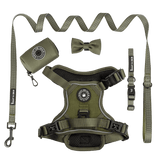
Pair your collar with the right lead by checking out our best dog leads UK guide for a full breakdown of lead types and recommendations, or browse our harness buying guide to complete the walking setup.
Key Takeaways
- UK law requires every dog in a public place to wear a collar with the owner's name and address; fines can reach £5,000
- An adjustable fabric or tweed collar is the best everyday choice for most UK dogs
- Match collar type and width to your dog's breed: sighthounds need martingale collars, flat-faced breeds need a harness for walks
- Use the two-finger rule for fit: two fingers between collar and neck means correct; one is too tight, three is too loose
- Inspect the collar monthly for wear and replace every 12 to 18 months with daily use
A tag to match the collar you choose

Whichever collar you pick, the piece that sits beside it is the ID tag. It is the part a stranger reads if your dog slips the gate, and it is a practical way to meet the Control of Dogs Order 1992. Our engraved dog tags sit on a 38mm stainless steel blank in silver, black or rose gold, hand-finished in the UK and paired with a split ring strength-tested to 250kg.
How the tag pairs with your collar
Lighter collars look balanced with the silver engraved dog tag. Rich tweeds and darker leathers flatter rose gold. Busy patterns and low-light conditions read best against the deep matte black finish. The split ring fits every Bailey & Coco collar in this guide.

Browse the engraved dog tag collection to see all three finishes side by side, or go straight to the silver engraved dog tag, black engraved dog tag or rose gold engraved dog tag.
Frequently Asked Questions
What is the best type of dog collar for everyday use?
For most dogs, an adjustable flat collar in a comfortable material like fabric or tweed is the best everyday choice. It is lightweight, easy to put on and take off, and works well for carrying ID tags and attaching a lead. If your dog spends a lot of time outdoors in wet conditions, consider a waterproof collar as your daily option instead.
How do I measure my dog for a collar?
Use a soft tape measure and wrap it around the base of your dog's neck where the collar will sit, just above the shoulders. Note the measurement in centimetres and add 2 to 3 cm for a comfortable fit. Once the collar is on, use the two-finger rule: you should be able to slide two fingers between the collar and your dog's neck.
Should my dog wear a collar or a harness?
Most dogs benefit from both. A collar is ideal for carrying ID tags and for casual walks with well-behaved dogs. A harness is better for dogs who pull, puppies in training, and brachycephalic breeds. Many dog parents keep a collar on their dog at all times for identification and switch to a harness for walks. Read our full collar vs harness comparison for breed-specific advice.
How tight should a dog collar be?
A dog collar should be snug enough that it cannot slip over your dog's head but loose enough that you can comfortably slide two fingers between the collar and their neck. If it is too tight, it can cause discomfort, skin irritation, and restricted breathing. If it is too loose, your dog could escape. Check the fit regularly, especially for growing puppies.
Are fabric collars durable enough for active dogs?
High-quality fabric collars are surprisingly durable. Our tweed collars, for example, use reinforced stitching and strong hardware that stands up to daily use. That said, if your dog spends a lot of time swimming or rolling in mud, a waterproof collar may be a more practical primary collar. Many dog parents keep a fabric collar for everyday walks and a waterproof one for messy adventures.
When should I replace my dog's collar?
Replace your dog's collar when you notice fraying, fading, rust on the hardware, a weakened buckle, or if the collar no longer fits properly even at its maximum adjustment. Most quality collars last 12 to 18 months with daily use, though this depends on your dog's activity level and the material. Check the collar regularly and do not wait until it fails.
What collar is best for a puppy?
For puppies, choose an adjustable collar with a wide size range so it can grow with them. Lightweight fabric collars are a good starting point. Introduce the collar gradually, letting your puppy wear it for short periods at home before using it on walks. Check the fit at least once a week as puppies grow quickly. Our puppy collars guide has a full breakdown by age and breed size.
Do dogs legally have to wear collars in the UK?
Yes. Under the Control of Dogs Order 1992, every dog in a public place in England, Scotland and Wales must wear a collar with the owner's name and address inscribed on it or attached to it. Failure to comply can result in a fine of up to £5,000. A microchip is also legally required in England and Wales, but it does not replace the collar and tag requirement. A harness alone does not satisfy the law.
What collar do vets recommend?
Most UK veterinary professionals recommend a well-fitted, adjustable flat collar for general wear and ID purposes. For walks with dogs that pull, they typically recommend using a harness rather than relying on the collar for lead attachment, as collar pressure can damage the neck, trachea and thyroid gland over time. For sighthounds, vets and breed clubs recommend martingale collars to prevent escape without applying choke pressure.
Are leather or nylon collars better?
Leather collars age beautifully and are very durable, but they require regular conditioning, do not handle water well, and are typically more expensive. Nylon collars are affordable, lightweight, machine washable, and available in many colours. For UK weather and active dogs, nylon (or better still, a premium fabric like tweed) is more practical. Leather is better suited to dogs with relaxed lifestyles or owners who prefer a timeless, classic look and do not mind the upkeep.
Still have questions about finding the right collar? Explore our full dog collars collection, pair yours with a matching lead and harness, or contact our team for personalised advice. If you are wondering whether your dog needs a coat for cold weather walks, our guide on whether dogs need coats in the UK has the answer.
New from Bailey & Coco
Browse our phone case collection - 24 bold designs for iPhone 14 to 17 Pro Max


