












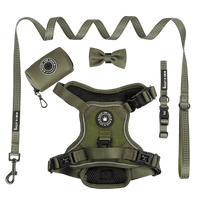

Small dogs deserve collars that are every bit as thoughtful, comfortable, and stylish as those made for their bigger cousins. But finding the right collar for a Chihuahua, Yorkshire Terrier, or Miniature Dachshund is not as simple as grabbing the smallest size off the shelf. Small and toy breeds have unique needs, from delicate tracheas to lightweight frames, and the wrong collar can cause genuine discomfort or even injury.
This guide covers everything you need to know about choosing the best collar for a small dog in the UK. We will walk you through the features that matter most, the breeds that need special consideration, the ideal collar width and weight, and the common mistakes dog parents make when fitting a collar to a petite pup. Whether your little one is a confident Pomeranian or a dainty Italian Greyhound, we have got you covered.
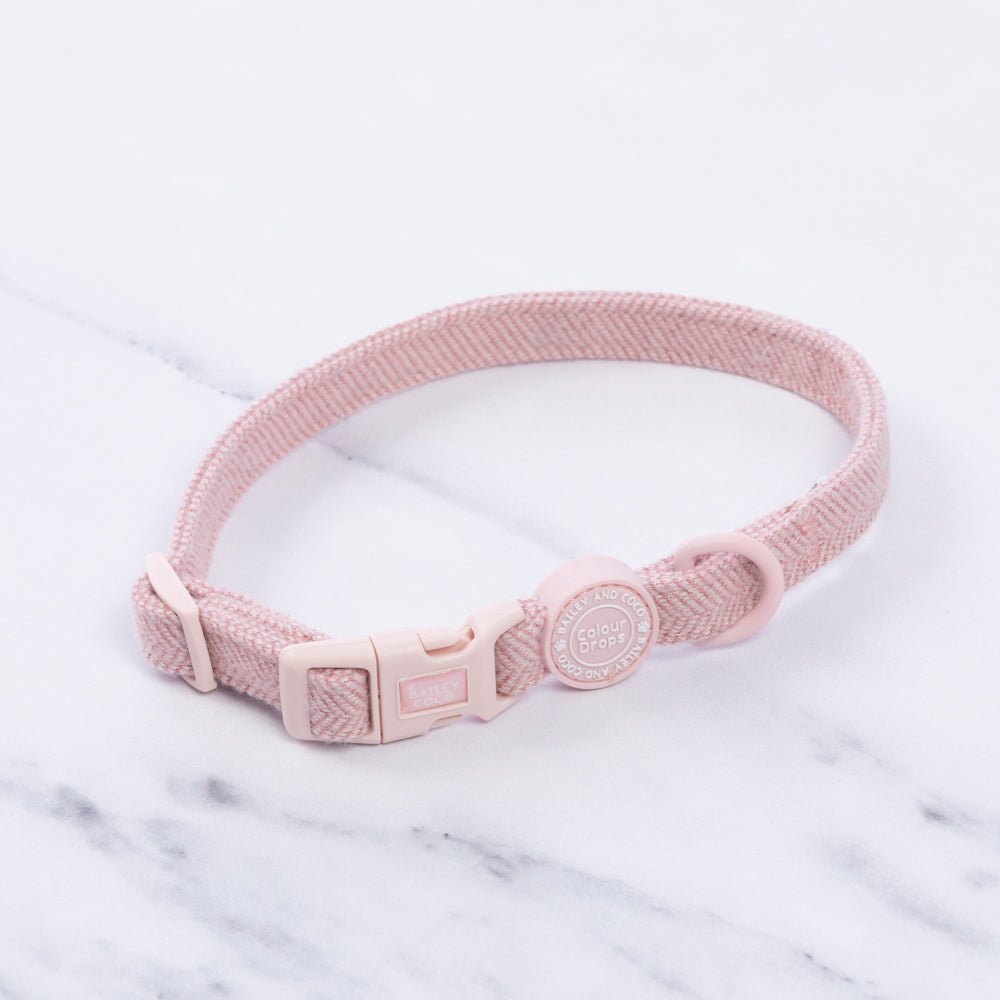
At Bailey & Coco, our adjustable fabric collars are designed with comfort and style at their core. Soft tweed fabrics, lightweight hardware, and a fully adjustable fit make them a brilliant choice for small dogs who want to look sharp without carrying unnecessary weight around their neck.
Why Small Dogs Need Special Collar Consideration
It is tempting to think that a collar is just a collar, regardless of the size of the dog wearing it. But small and toy breeds face specific challenges that larger dogs simply do not. Understanding these differences is the first step towards choosing a collar that keeps your little dog safe, healthy, and happy.
Trachea Sensitivity and Collapsed Trachea Risk
The single biggest concern when choosing a collar for a small dog is trachea health. Small and toy breeds are significantly more prone to tracheal collapse, a condition where the cartilage rings that hold the windpipe open weaken and flatten. Breeds like Chihuahuas, Yorkshire Terriers, Pomeranians, and Toy Poodles are particularly at risk.
A collar that is too heavy, too stiff, or too tight can put direct pressure on a small dog's trachea. Over time, this pressure can worsen existing tracheal weakness or contribute to irritation. That persistent honking cough you sometimes hear from small dogs? It can be a sign of tracheal stress, and a poor collar choice is one contributing factor.
This does not mean small dogs should never wear collars. It means the collar you choose must be lightweight, soft, and properly fitted. For walking, many vets recommend pairing a collar (for ID tags) with a harness for lead attachment. More on that later.
Lightweight Frames and Neck Sensitivity
A collar that weighs 80 grams might be nothing to a Labrador, but for a 2kg Chihuahua, that same collar represents a noticeable percentage of their body weight. Imagine wearing a scarf that felt like a heavy chain. That is the equivalent experience for a tiny dog wearing a collar designed for a medium breed.
Small dogs also tend to have thinner skin and more sensitive fur around the neck area. Stiff nylon webbing or rough edges that a larger dog would barely notice can cause rubbing, irritation, and even hair loss on a small breed. Softness is not a luxury for small dogs. It is a necessity.
Small breeds are also more vulnerable to the cold than their larger counterparts, so if you are wondering whether your little dog needs a coat in winter, our guide on whether dogs need coats in the UK covers breed-specific advice and temperature thresholds.
Proportional Fit Matters
A collar that is too wide looks awkward on a small dog, but more importantly, it can restrict their range of motion. A wide collar on a tiny neck limits how far the dog can look up, down, and to the sides. For breeds like the Italian Greyhound, whose necks are long and slender, an oversized collar can slip forward over the head or ride up uncomfortably behind the ears.
The ideal collar for a small dog is narrow, lightweight, and sits comfortably in the middle of the neck without shifting around during movement.
Best Collar Features for Small Dogs
Not all collars are created equal, and for small dogs, certain features make a dramatic difference to comfort, safety, and wearability. Here is what to look for when shopping for a small dog collar.
Lightweight Construction
The overall weight of the collar should be minimal. This includes the fabric or material, the buckle, the D-ring, and any hardware. Heavy metal buckles designed for larger dogs are overkill on a small breed. Look for collars that use compact, lightweight hardware without sacrificing strength.
Soft, Flexible Materials
Fabric collars are an excellent choice for small dogs. They are inherently softer and more flexible than nylon webbing or leather, which means they conform to the shape of a small neck without creating pressure points. Fabric dog collars, particularly those made from cotton or tweed blends, offer the perfect combination of softness and structure.
Narrow Width
For most small and toy breeds, a collar width of 1 to 1.5 centimetres is ideal. This is wide enough to distribute pressure gently but narrow enough to sit comfortably on a petite neck. Some very small breeds, such as Chihuahuas under 2kg, may benefit from collars closer to the 1cm mark.
Secure but Gentle Closure
The closure mechanism matters. A side-release buckle (the click-in plastic or lightweight alloy type) is generally the best option for small dogs. It is quick to put on and take off, stays securely fastened, and does not require the force of a traditional prong buckle. Avoid collars with heavy or oversized buckles that add unnecessary weight and bulk.
Fully Adjustable Fit
An adjustable collar is essential for small dogs because the margin between too loose and too tight is much smaller on a tiny neck. A collar with a wide adjustment range gives you the precision to get the fit exactly right. You should be able to fit one finger (not two, as with larger dogs) comfortably between the collar and your small dog's neck. Read our dog collar size guide for detailed measuring instructions.

Breeds That Need Small Dog Collars
While every dog is an individual, certain breeds consistently fall into the small and toy collar size category. Here is a quick guide to some of the most popular small breeds in the UK and their typical collar needs.
Chihuahua
The smallest recognised breed in the world, Chihuahuas typically weigh between 1.5 and 3kg. They need the narrowest, lightest collars available. Tracheal collapse is a well-documented concern in Chihuahuas, so a soft fabric collar paired with a harness for walks is the safest combination.
Chihuahuas are particularly vulnerable in winter, so it is worth reading our guide on how cold is too cold to walk your dog for breed-specific temperature thresholds and tips for keeping small dogs safe in the cold.
Yorkshire Terrier
Yorkies are feisty little dogs with surprisingly big personalities. They usually weigh between 2 and 3.5kg and benefit from soft, narrow collars. Their long, silky coats can be damaged by rough collar materials, so a smooth fabric collar is ideal to prevent breakage and matting around the neck.
Pomeranian
Pomeranians have thick double coats that can hide the collar entirely if it is too narrow. A collar width of around 1.5cm works well. Their fluffy coats also mean you need to check the fit regularly, as the collar can shift or become hidden beneath the fur. Like many small breeds, Pomeranians are at higher risk of tracheal issues.
Toy Poodle
Toy Poodles are active, intelligent dogs that typically weigh between 2 and 4kg. They suit soft, adjustable collars that can be resized after grooming sessions, as their coat volume changes significantly between clips. A lightweight fabric collar works brilliantly on a Toy Poodle.
Miniature Dachshund
Miniature Dachshunds have unique proportions, with long bodies and relatively short necks. A narrow, lightweight collar is essential. Given the breed's predisposition to intervertebral disc disease, many Dachshund owners use a harness for walking and a collar purely for ID tags.
Italian Greyhound
Italian Greyhounds have long, slender necks that require a collar wide enough to distribute pressure but not so wide that it becomes a rigid tube. Their narrow heads also make them notorious escape artists, so a snug fit is crucial. Martingale collars are a popular alternative for this breed.
Maltese
The Maltese is a gentle, affectionate breed weighing between 1.5 and 3.5kg. Their long white coats can stain or tangle around a rough collar, so smooth, soft fabric is the way to go. Lightweight hardware prevents the collar from weighing down their delicate frame.
Papillon
Named for their butterfly-shaped ears, Papillons are dainty dogs weighing between 2 and 4.5kg. They are surprisingly athletic for their size and need a collar that stays secure during active play. A well-fitted adjustable collar with a reliable clip mechanism is the best choice.
Collar Width Guide for Small Dogs
Getting the right collar width is just as important as getting the right neck size. Here is a practical guide based on your dog's weight and build.
| Dog Weight | Recommended Width | Typical Breeds | Notes |
|---|---|---|---|
| Under 2kg | 0.8 - 1cm | Teacup Chihuahua, tiny Yorkies | Ultra-lightweight essential |
| 2 - 4kg | 1 - 1.5cm | Chihuahua, Maltese, Papillon, Toy Poodle | Most common small dog range |
| 4 - 7kg | 1.5 - 2cm | Miniature Dachshund, Pomeranian, Shih Tzu | Can handle slightly wider collar |
| 7 - 10kg | 2 - 2.5cm | Cavalier King Charles, Miniature Schnauzer | Transitional small-to-medium range |
Small Dog Collar Features Comparison
Different collar types offer different advantages for small dogs. This comparison breaks down the key features across the most common collar styles to help you decide which suits your little one best.
| Feature | Fabric Collar | Nylon Collar | Leather Collar | Waterproof Collar |
|---|---|---|---|---|
| Weight | Very light | Light | Medium to heavy | Light to medium |
| Softness | Excellent | Moderate | Stiff when new, softens over time | Moderate |
| Trachea Friendliness | Excellent | Good | Fair | Good |
| Style Range | Wide (patterns, tweeds) | Basic (solid colours) | Classic (brown, black, tan) | Moderate |
| Weather Resistance | Fair | Good | Fair (can crack if wet) | Excellent |
| Best For Small Dogs? | Yes, top choice | Acceptable | Not ideal | Good for wet weather |
Small Dog Collar Safety
Safety is the number one priority when choosing a collar for a small dog. Here are the key safety considerations every small dog owner should understand.
Trachea Protection
As we discussed earlier, small dogs are more vulnerable to tracheal damage from collar pressure. The best way to protect your small dog's trachea is to use a collar for identification purposes and attach your lead to a harness during walks. This way, any pulling force is distributed across the chest and shoulders rather than concentrated on the neck.
If your dog does walk calmly on a collar without pulling, a well-fitted, soft collar is perfectly safe for lead attachment on gentle strolls. The key is understanding your individual dog's behaviour. A dog that lunges at squirrels is a harness candidate. A dog that trots politely by your side may be just fine with a collar and lead. For more guidance on how tight a collar should be, check our detailed fitting guide.
Escape Prevention
Small dogs can be surprisingly good at slipping out of collars. Their compact heads and smooth fur make it easier for a poorly fitted collar to slide off. Always check the fit regularly and ensure the collar is snug enough that your dog cannot back out of it. The one-finger test is your best friend here: if you can fit one finger comfortably between the collar and your dog's neck, but not two, you have the right fit for a small breed.
Weight and Hardware Safety
Heavy D-rings, chunky buckles, and oversized charms or tags can weigh down a small dog's collar and cause it to rotate around the neck, pulling the D-ring to an awkward position. Choose collars with proportionally sized hardware and consider lightweight tag options for small breeds.
Collar vs Harness for Small Dogs
This is one of the most common questions small dog parents ask: should I use a collar or a harness? The honest answer is that most small dogs benefit from having both. Here is why.
Collars for Identification
Under UK law, your dog must wear a collar with an ID tag displaying your name and address whenever they are in a public place. This applies to dogs of all sizes. A lightweight fabric collar is the perfect everyday ID carrier. It sits comfortably on your dog at all times, holds their tags securely, and ensures you are compliant with the Control of Dogs Order 1992.
Harnesses for Walking
For actual lead walking, a harness is often the safer choice for small dogs. Harnesses distribute pulling force across the chest and torso, completely removing pressure from the delicate trachea. This is especially important for breeds prone to tracheal collapse and for puppies who are still learning lead manners.
The ideal setup for most small dogs is a collar worn at all times for ID, with a harness put on for walks and outdoor adventures. For a full breakdown of when to choose each option, read our collar vs harness comparison guide.
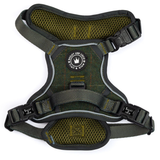
Browse our small dog harnesses to find the right size and style for your petite pup.
Best Materials for Small Dog Collars
The material of your dog's collar directly affects their comfort, and for small breeds, comfort is not negotiable. Here is a breakdown of the best materials for small dogs.
Soft Fabric and Tweed
Fabric collars, including tweed, cotton, and woven blends, are the gold standard for small dogs. They are soft against the skin, gentle on fur, breathable, and naturally lightweight. A well-made fabric collar will feel barely there on a small dog, which is exactly what you want. Plus, fabric offers the widest range of colours and patterns, so your small dog can look absolutely stunning on every walk.
Padded Nylon
If you prefer nylon for its durability, look for versions with neoprene or foam padding on the inside. The padding prevents the stiff nylon edges from digging into your dog's neck. While not as soft as fabric, padded nylon is a reasonable compromise between durability and comfort.
Lightweight Hardware
Regardless of the collar material, pay attention to the hardware. Zinc alloy and lightweight aluminium buckles and D-rings are ideal for small dogs. Stainless steel is strong but heavier, and solid brass, while beautiful, can add significant weight to a tiny collar. The best small dog collars use hardware that is proportional to the size of the collar.
Small Dog Collar Sizing Tips
Getting the size right is critical for small dogs, where even half a centimetre can make the difference between a comfortable collar and one that is too tight or too loose.
How to Measure
Use a soft fabric tape measure and wrap it around the base of your small dog's neck, just above the shoulders where the collar will sit. Note the measurement in centimetres. For small dogs, add 1 to 2cm to your measurement (rather than the 2 to 3cm recommended for larger breeds) to account for a comfortable but secure fit.
The One-Finger Rule
For small and toy breeds, use the one-finger test rather than the standard two-finger test. You should be able to slide one finger comfortably between the collar and your dog's neck. If you can fit two fingers, the collar may be loose enough for your small dog to slip out of it.
Check Regularly
Small dogs' collar fit can change more than you might expect. Weight fluctuations, coat changes after grooming, and seasonal fur thickness can all affect how a collar sits. Check the fit at least once a week, and every time after a grooming session.
For a comprehensive step-by-step guide to collar sizing for all breeds, visit our dog collar size guide.
Bailey & Coco Adjustable Collars for Small Dogs
Our adjustable fabric collars are a fantastic option for small dogs. Here is why they work so well for petite breeds.
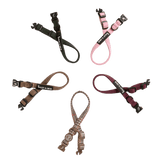
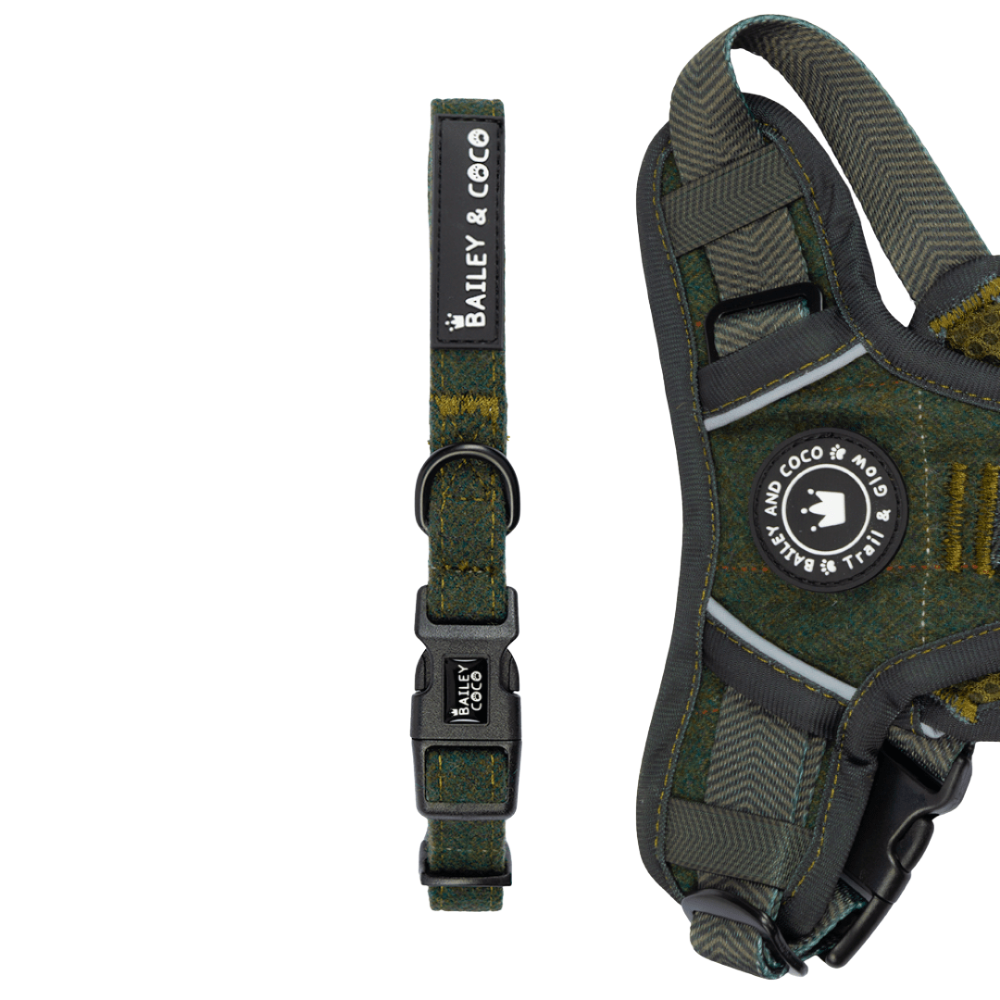
Every collar in the Bailey & Coco range is made from premium soft tweed fabric that sits gently against your dog's skin and fur. The adjustable design means you can fine-tune the fit to your small dog's exact neck size, and the lightweight side-release buckle makes the collar easy to put on and take off without any fuss.
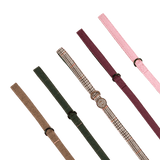
Our collars come in five gorgeous tweed patterns, each designed to make your dog the best-dressed pup in the park:
- Charcoal Tweed brings modern sophistication with its rich grey tones.
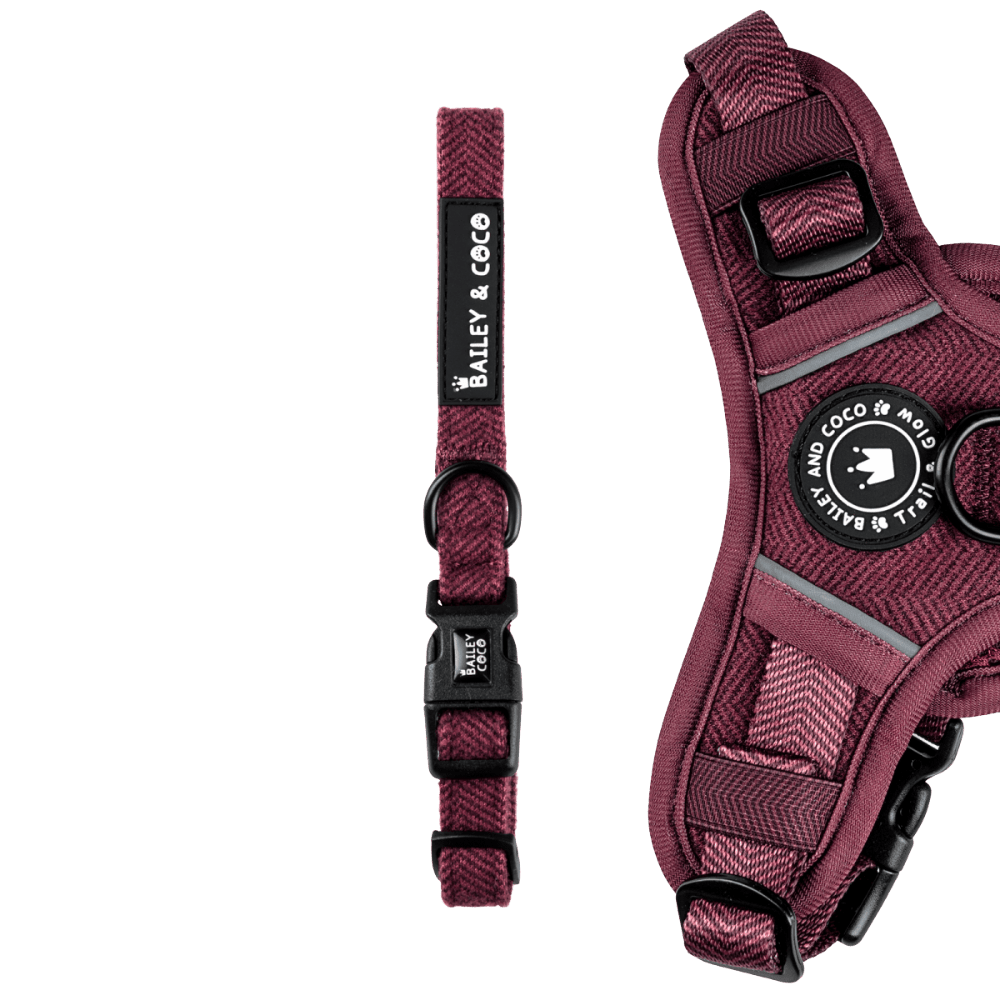
- Mulberry Tweed offers warm berry hues that pop against any coat colour.
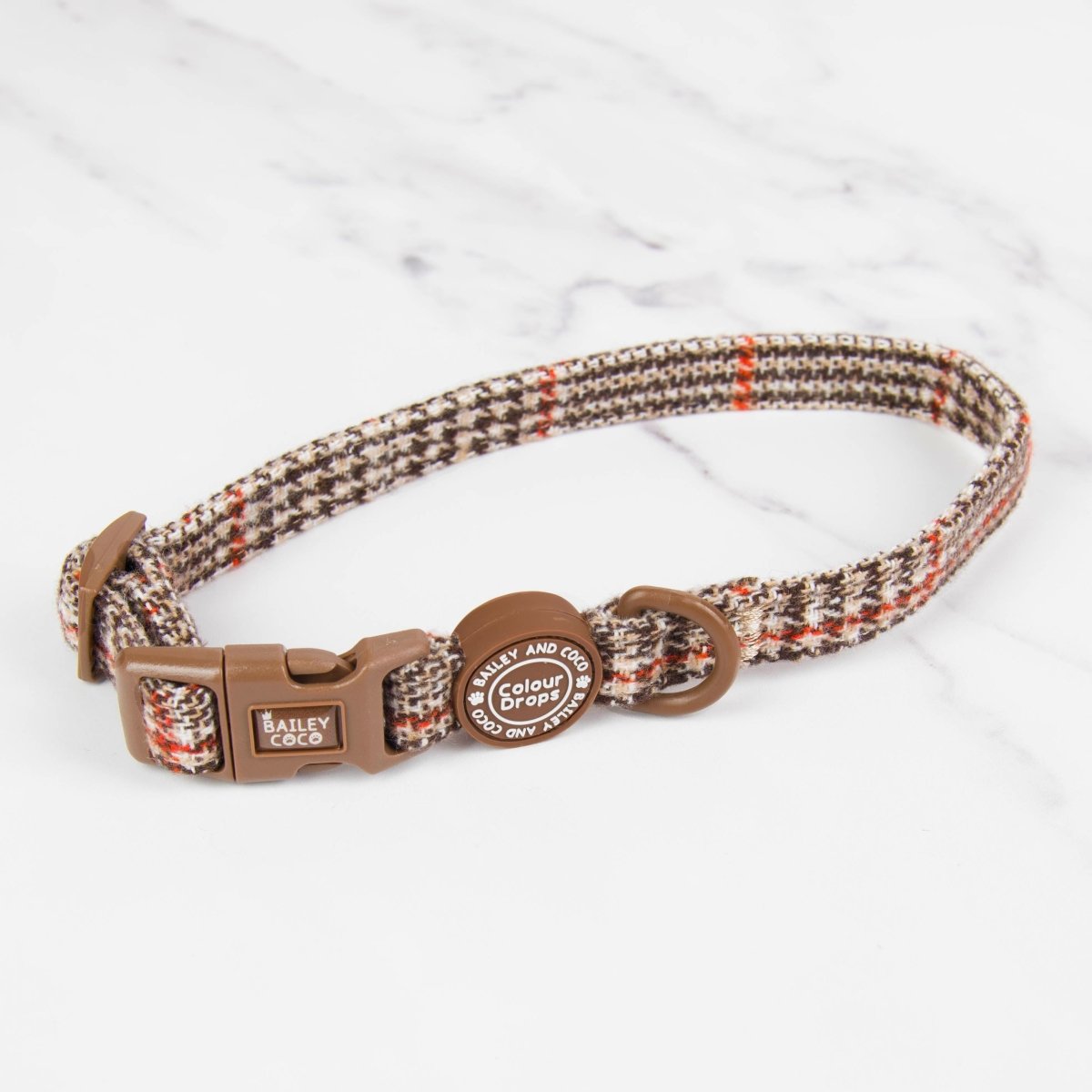
- Heritage Plaid delivers classic tartan charm that never goes out of style.
- Lavender Tweed is soft pastel elegance at its finest.
- Forest Tweed captures earthy, natural vibes for the outdoor adventurer.
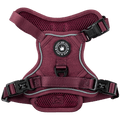
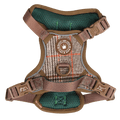
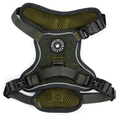
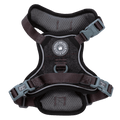
You can also pair your small dog's collar with a matching lead or coordinate with our Trail Glow harness range for a fully matched set. Because small dogs with big style deserve accessories that match.
Common Mistakes with Small Dog Collars
Even experienced dog parents can get tripped up when choosing and fitting collars for small breeds. Here are the most common mistakes to avoid.
Buying the Wrong Size
This is the most frequent error. Many people guess their small dog's collar size rather than measuring, and with small breeds, the margin for error is tiny. Always measure before you buy, and remeasure if your dog's weight or coat changes.
Choosing a Collar That Is Too Heavy
A collar designed for a medium-sized dog might technically fit around a small dog's neck at its tightest setting, but the weight and width will be completely wrong. Always choose a collar designed for small or toy breeds, not a medium collar cinched down to its minimum.
Ignoring the Buckle Size
The buckle can be the heaviest part of the collar. An oversized buckle on a small dog collar creates an uncomfortable lump that digs in when they lie down and shifts the collar's centre of gravity. Look for compact, streamlined buckles.
Not Using a Harness for Walks
Walking a small dog on a collar alone, especially one that pulls, puts unnecessary strain on the trachea. If your small dog has any tendency to pull, lunge, or get excited on the lead, invest in a good harness and reserve the collar for ID duty.
Forgetting to Check the Fit
Small dogs' collar fit can change after grooming, weight gain or loss, or simply because the collar has stretched slightly with wear. Make a habit of checking the fit weekly.
Overloading with Tags and Charms
One ID tag is a legal requirement. But loading a small dog's collar with multiple tags, charms, and accessories adds weight and creates jingling noise that can irritate sensitive small breeds. Keep it simple: one ID tag and, if you want, one small charm.
Puppy Collars for Small Breeds
If you have a small breed puppy, collar selection becomes even more important. Puppies grow quickly, and small breed puppies reach their adult size faster than large breeds, typically by 8 to 12 months.
Start with a very light, soft collar and introduce it gradually. Let your puppy wear it around the house for short periods before using it on walks. An adjustable collar is essential during the puppy months because you will be adjusting the fit regularly as they grow.
For more detailed guidance on getting your puppy started with their first collar, read our puppy collars guide.
Frequently Asked Questions
What size collar does a small dog need?
Most small dogs need a collar with a neck size between 20 and 30 centimetres and a width of 1 to 1.5 centimetres. Always measure your dog's neck with a soft tape measure rather than guessing, and add 1 to 2cm for a comfortable fit. Use the one-finger test: if you can slide one finger between the collar and your dog's neck, the fit is right.
Are collars safe for small dogs?
Yes, collars are safe for small dogs when properly fitted and made from appropriate materials. A lightweight, soft fabric collar is the best choice. However, for lead walking, many vets and trainers recommend using a harness to avoid putting pressure on the trachea, especially for breeds prone to tracheal collapse. A collar is still important for carrying ID tags as required by UK law.
Should I use a collar or harness for my small dog?
Ideally, use both. Keep a lightweight collar on your dog at all times for identification, and use a harness for lead walking. This combination protects the trachea during walks while ensuring your dog always has visible ID. If your small dog walks calmly without pulling, a collar alone is fine for gentle strolls, but a harness is always the safer option for small breeds.
What collar material is best for small dogs?
Soft fabric, particularly tweed and cotton blends, is the best collar material for small dogs. It is lightweight, gentle on fur and skin, breathable, and comfortable. Padded nylon is a reasonable alternative. Leather can work but is often too stiff and heavy for very small breeds. For wet weather, consider having a separate waterproof collar for muddy walks.
How often should I check my small dog's collar fit?
Check the fit at least once a week. Small dogs are more sensitive to even minor changes in collar tightness, and their fit can shift due to weight fluctuations, coat changes after grooming, or the collar fabric stretching slightly over time. For puppies, check the fit every few days as they grow rapidly during the first year.
Can a collar cause a collapsed trachea in small dogs?
A collar alone does not cause collapsed trachea, which is primarily a genetic condition. However, excessive pressure on the neck from pulling against a collar can worsen tracheal weakness and contribute to irritation and discomfort. Using a harness for walking and reserving the collar for ID significantly reduces this risk. If your small dog has a persistent cough or honking sound, consult your vet.
What is the best collar for a Chihuahua?
The best collar for a Chihuahua is a very lightweight, soft fabric collar with a narrow width of around 1cm and a compact buckle. An adjustable design ensures a perfect fit. Pair it with a harness for all lead walking to protect the Chihuahua's delicate trachea. Choose a collar with minimal hardware to keep the weight as low as possible.
For a complete overview of every collar type, material and sizing option available, visit our best dog collars UK guide. You can also explore our best dog leads guide to find the perfect lead to pair with your small dog's collar, and our harness buying guide for breed-specific harness recommendations.


