




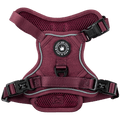
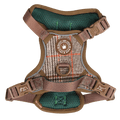
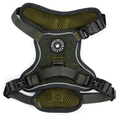
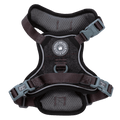








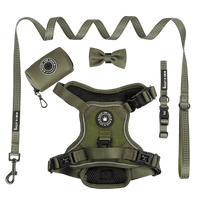

There is something undeniably lovely about a well-made fabric dog collar. In a world of stiff nylon webbing and heavy leather buckles, fabric collars offer something different: genuine comfort, beautiful patterns, and a softness that your dog will actually enjoy wearing. If you have ever watched your dog scratch at a rough collar or noticed matted fur around their neck, a fabric collar could be the upgrade they have been waiting for.
This guide explores everything you need to know about fabric dog collars in the UK. We will cover what makes them different from nylon and leather options, which fabrics work best, how to care for them, and which dogs benefit most from the switch. We will also take a detailed look at the Bailey & Coco fabric collar range, with five stunning tweed patterns that prove comfort and style are not mutually exclusive.
At Bailey & Coco, we believe your dog's collar should feel as good as it looks. Our adjustable fabric collars are crafted from premium tweed, designed for all-day comfort, and finished with lightweight hardware that will not weigh your dog down. Let us show you why fabric is the future of dog collars.
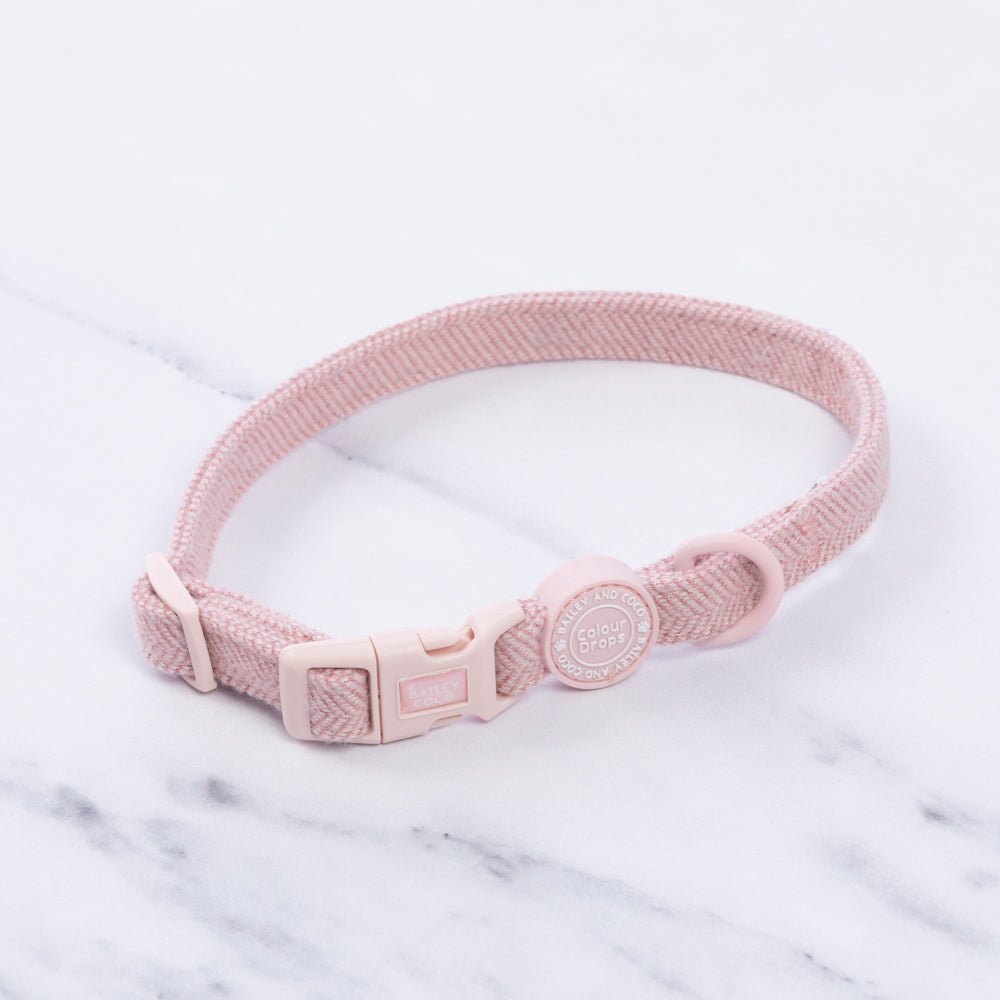
What Are Fabric Dog Collars?
Fabric dog collars are collars made from woven textile materials rather than the stiff nylon webbing, biothane, or leather that dominates the mass market. The term covers a wide range of materials, including cotton, tweed, linen, canvas, and woven blends. What they all share is a softer, more pliable feel compared to their stiffer counterparts.
Unlike rigid nylon collars that maintain their shape and can feel like a plastic strip around your dog's neck, fabric collars drape and flex with your dog's movement. They conform to the contours of the neck rather than sitting as a stiff band, which is why so many dogs are visibly more comfortable in fabric than in nylon.
The best fabric collars, like our tweed range, use a layered construction. A premium outer fabric provides the pattern and texture, an inner layer adds strength and structure, and soft lining sits against the dog's skin for comfort. This means you get the aesthetic beauty of fabric with the durability you need for everyday use.
Benefits of Fabric Dog Collars
Why choose fabric over nylon, leather, or other materials? There are compelling reasons beyond just looking good, though looking good is certainly one of them.
Comfort
This is the number one advantage of fabric collars. Soft woven materials sit gently against your dog's skin and fur without creating the friction, rubbing, or pressure points that stiffer materials can cause. Dogs with sensitive skin, thin coats, or a tendency to scratch at their collars often settle down completely once switched to a well-made fabric collar.
Fabric collars are also more comfortable during rest. When your dog lies down, a stiff nylon or leather collar can dig in or create an awkward lump under their chin. A fabric collar flexes and flattens, so it stays comfortable even during naps.
Style and Pattern Variety
Fabric opens up a world of design possibilities that other materials simply cannot match. Tweed patterns, floral prints, tartan plaids, geometric designs, and seasonal themes are all possible with fabric. This is why fabric collars have become the go-to choice for dog parents who care about their pup's style and want something more personal than a plain nylon strap.
Tweed, in particular, has become enormously popular in the UK dog accessories market. There is something perfectly British about a dog in a tweed collar, especially on a crisp autumn walk or a Sunday stroll through the countryside.
Gentle on Fur
Stiff nylon collars can cause matting and breakage in the fur around your dog's neck, particularly in long-coated breeds like Yorkshire Terriers, Cavalier King Charles Spaniels, and Shih Tzus. The rough texture of nylon creates friction that tangles the fur over time. Fabric collars, with their smooth, soft surface, glide over the coat without causing damage. For breeds with flowing coats, this is a significant advantage.
Breathability
Natural fabric materials like cotton and tweed are inherently breathable. Air flows through the woven fibres, which helps prevent the moisture build-up and skin irritation that can occur with non-breathable materials like biothane or coated nylon. In warmer months, this breathability keeps your dog's neck cooler and more comfortable.
Lightweight
Fabric is naturally lighter than leather and comparable to or lighter than nylon webbing. For small breeds and puppies, this reduced weight makes a noticeable difference. A lighter collar means less fatigue, less shifting, and a more pleasant wearing experience. Our guide to collars for small dogs explains why weight matters so much for petite breeds.
Fabric Collar Materials Explained
Not all fabric collars are equal. The specific material used affects the collar's durability, feel, appearance, and care requirements. Here is a breakdown of the most common fabric types used in dog collars.
Tweed
Tweed is a woven woollen fabric with a distinctive textured appearance. It has been a staple of British fashion for centuries and has made a stylish transition into the dog accessories world. Tweed collars offer a rich, sophisticated look with depth and character that flat-print fabrics cannot replicate. The woven texture gives each collar a premium feel that photographs beautifully.
Quality tweed collars use a durable weave that resists pilling and holds its shape over time. They are slightly thicker than cotton collars, which provides a comfortable cushioning effect on the neck. For a deep dive into tweed specifically, visit our tweed dog collars guide.
Cotton
Cotton is the most widely used fabric for dog collars. It is soft, breathable, lightweight, and takes printed patterns beautifully. Cotton collars are easy to clean and generally the most affordable fabric option. The main drawback is that pure cotton can fade in prolonged sunlight and may not be as durable as tweed or canvas in rough conditions.
Canvas
Canvas is a heavy-duty woven fabric, usually made from cotton or a cotton-polyester blend. It is significantly more durable than standard cotton and resists abrasion well. Canvas collars tend to be stiffer than other fabric options, so they suit dogs who need a collar with more structure. They are a good middle ground between soft fabric comfort and rugged nylon durability.
Polyester Blends
Many fabric collars use polyester blended with natural fibres to improve durability, colour retention, and water resistance. Polyester blends dry faster than pure cotton or tweed, resist fading, and are generally more hard-wearing. The trade-off is slightly less breathability compared to pure natural fibres, though modern polyester blends have closed that gap considerably.
Fabric vs Nylon vs Leather: How Do They Compare?
To help you understand where fabric collars sit in the market, here is a detailed comparison against the two other most popular collar materials.
| Feature | Fabric (Tweed / Cotton) | Nylon Webbing | Leather |
|---|---|---|---|
| Comfort | Excellent; soft and flexible | Moderate; can be stiff and rough | Good once broken in; stiff initially |
| Weight | Light | Light to moderate | Moderate to heavy |
| Breathability | Good; natural fibres allow airflow | Poor; synthetic, non-breathable | Moderate; depends on leather type |
| Durability | Good with quality construction | Very good; resistant to wear | Excellent if maintained; can crack |
| Style Options | Widest range; patterns, tweeds, prints | Limited; mostly solid colours | Classic; brown, black, tan |
| Weather Resistance | Fair; not ideal for heavy rain or mud | Good; dries quickly | Poor in wet conditions without treatment |
| Fur Friendliness | Excellent; smooth surface | Poor; rough edges cause matting | Moderate; can catch on long coats |
| Ease of Cleaning | Spot clean; some are machine washable | Easy; wipe down or machine wash | Requires leather conditioner and care |
| Price Range | Mid-range to premium | Budget to mid-range | Mid-range to premium |
| Best For | Everyday comfort, style, sensitive skin | Budget-conscious, heavy use | Traditional look, larger breeds |
The Bailey & Coco Fabric Collar Range
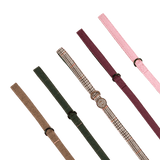
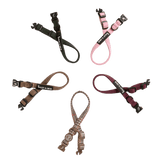
Our adjustable fabric collars are the heart of the Bailey & Coco collection. Each collar is made from premium tweed fabric, fully adjustable with a secure side-release buckle, and finished with a welded D-ring for lead attachment. They come in five signature tweed patterns, each with its own personality.
Charcoal Tweed
Modern sophistication in collar form. The Charcoal Tweed features rich grey tones with subtle depth that looks sharp against every coat colour. It is the collar equivalent of a perfectly tailored grey suit. If your dog's style is understated and elegant, Charcoal is the one.

Mulberry Tweed
Rich berry warmth that turns heads. The Mulberry Tweed is a gorgeous deep purple-red that adds a pop of colour to any walk. It looks particularly stunning against darker coats and is a favourite with dog parents who want their pup to stand out without being over the top. Bold, warm, and beautifully British.
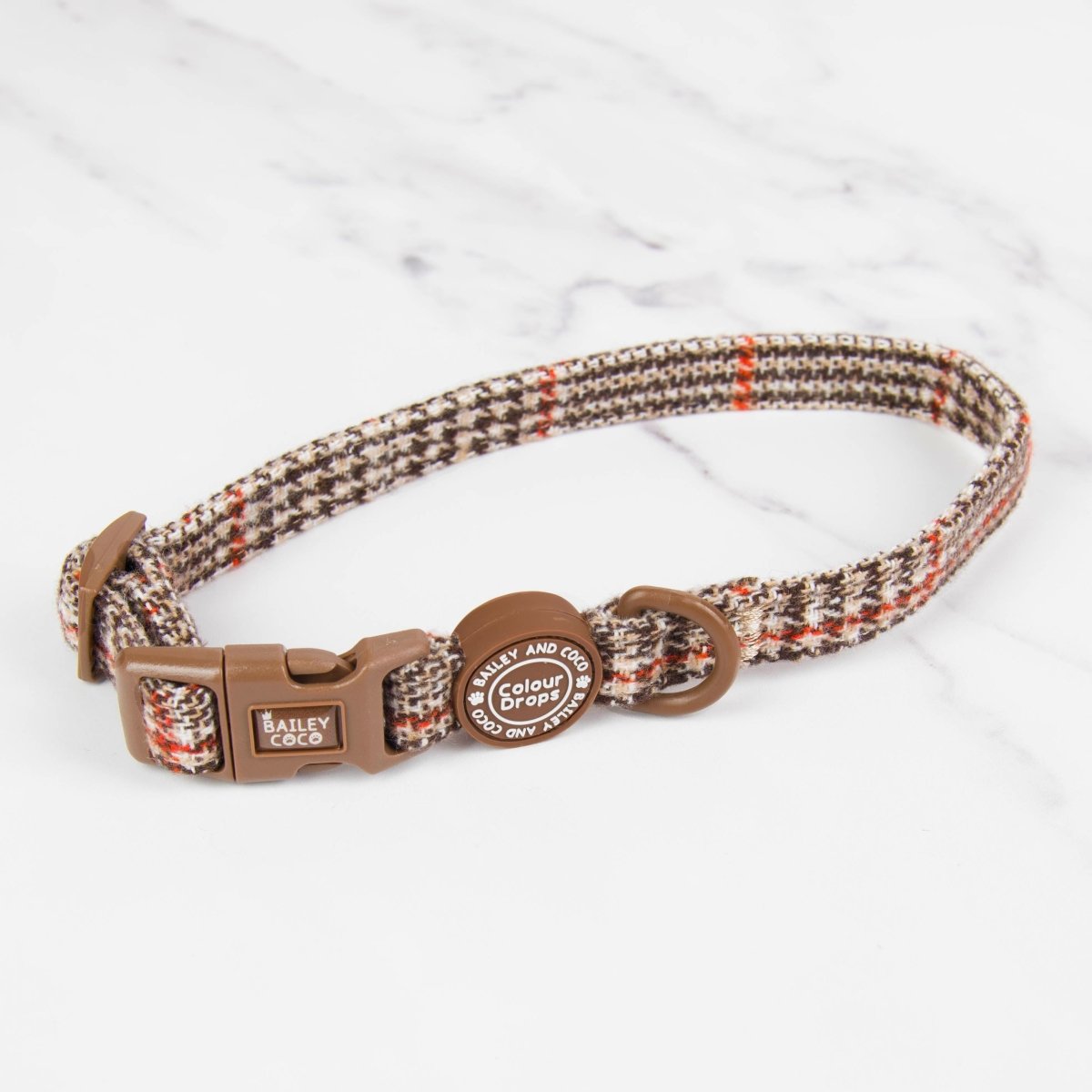
Heritage Plaid
Classic tartan charm that never goes out of style. The Heritage Plaid is our most traditional pattern, drawing on the rich history of Scottish tartan with a modern twist. It suits every breed, every season, and every setting, from country walks to city pavements. If you could only choose one collar, Heritage Plaid would be the one that works everywhere.
Lavender Tweed
Soft pastel elegance at its finest. The Lavender Tweed brings a gentle, calming colour palette to your dog's wardrobe. It is particularly popular for female dogs, lighter-coated breeds, and dog parents who love a softer, more delicate aesthetic. Do not let the softness fool you, though. The construction is every bit as robust as our darker patterns.
Forest Tweed
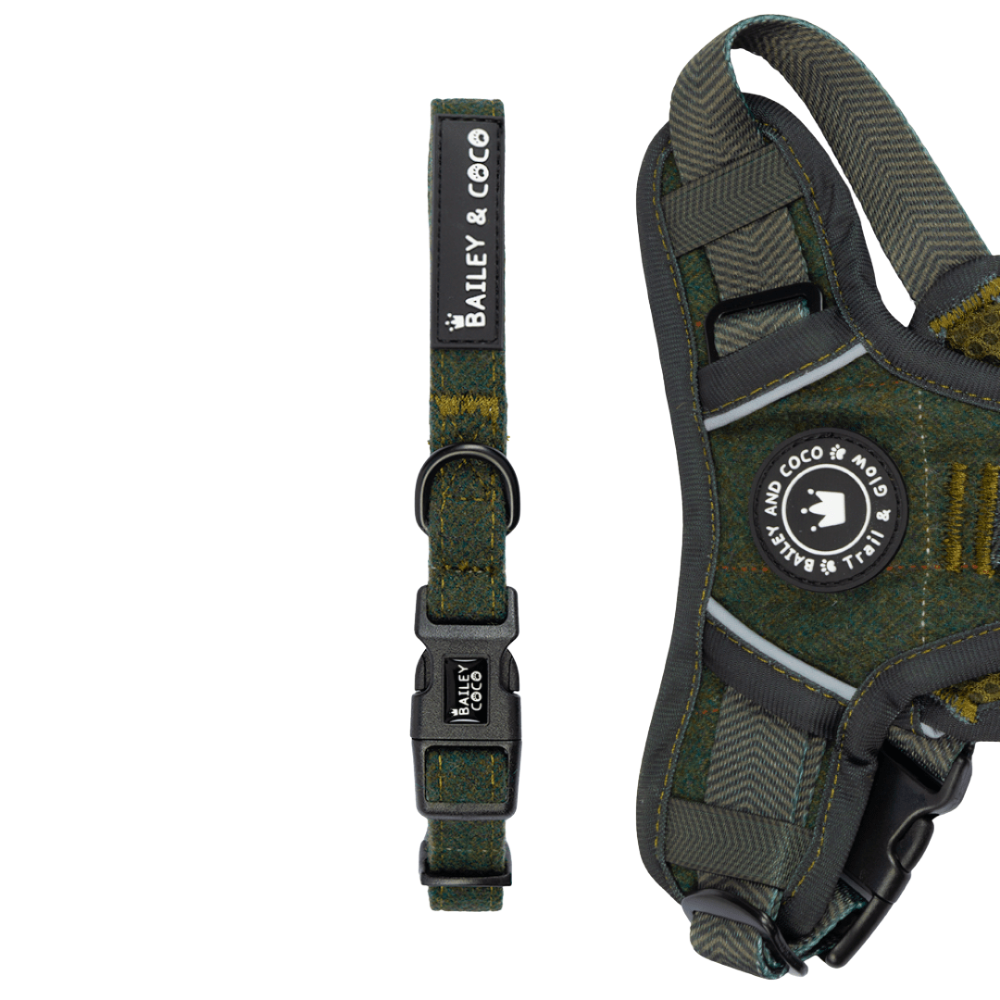
Earthy, natural vibes for the outdoor adventurer. The Forest Tweed captures the essence of woodland walks with its rich green tones. It is the collar that says "I would rather be in the countryside." Perfect for breeds with warm, golden coats and for dog parents who love nature-inspired fashion.
Caring for Fabric Dog Collars
One of the most common questions about fabric collars is how to keep them clean and looking fresh. The good news is that fabric collars are straightforward to care for, as long as you follow a few simple guidelines.
Spot Cleaning
For everyday dirt, spot cleaning is all you need. Use a damp cloth with a small amount of mild soap (baby soap or gentle hand soap works well) and gently wipe the affected area. Rinse the cloth and wipe again to remove any soap residue. This handles most day-to-day grime without stressing the fabric.
Deep Cleaning
For a more thorough clean, remove the collar from your dog and soak it in lukewarm water with a gentle detergent for 10 to 15 minutes. Use a soft brush (an old toothbrush works perfectly) to gently scrub any stubborn marks. Rinse thoroughly in clean water to remove all detergent.
Drying
Always air-dry fabric collars. Lay the collar flat on a clean towel or hang it in a well-ventilated area away from direct sunlight. Do not use a tumble dryer, radiator, or hairdryer, as high heat can shrink fabric, damage hardware, and cause colours to fade or bleed. Most fabric collars will dry completely within a few hours at room temperature.
What to Avoid
Do not machine wash fabric collars unless the manufacturer specifically says it is safe. The agitation and spin cycle can distort the collar's shape, weaken stitching, and damage hardware. Avoid bleach, harsh chemicals, and fabric softener, all of which can degrade the fabric and irritate your dog's skin.
Which Dogs Are Best Suited to Fabric Collars?
While fabric collars suit the vast majority of dogs, certain dogs benefit more than others from the switch to fabric.
Dogs with Sensitive Skin
If your dog has allergies, dermatitis, or generally sensitive skin, a soft fabric collar is far less likely to cause irritation than stiff nylon or rough leather. The smooth, breathable surface reduces friction and allows air circulation, both of which help keep sensitive skin calm and comfortable.
Long-Coated Breeds
Dogs with flowing or silky coats, such as Yorkshire Terriers, Maltese, Cavalier King Charles Spaniels, and Shih Tzus, benefit enormously from fabric collars. The smooth surface does not catch, tangle, or mat the fur the way rough nylon webbing does. If you are tired of brushing out collar marks from your dog's neck fur, fabric is the solution.
Small and Toy Breeds
The lightweight nature of fabric collars makes them ideal for small dogs who are sensitive to collar weight. A well-made fabric collar sits lightly on a small neck without dragging or shifting. For a complete guide to choosing collars for petite pups, read our small dog collars guide.
Style-Conscious Dog Parents
If you photograph your dog for social media, enjoy coordinating your dog's accessories, or simply appreciate beautiful design, fabric collars offer the widest range of patterns, textures, and colour options. No other collar material comes close to the design versatility of fabric.
Everyday Pets
For the average pet dog who goes on daily walks, plays in the garden, and lounges on the sofa, a fabric collar is a brilliant everyday choice. It is comfortable enough for all-day wear, stylish enough for any outing, and durable enough for normal use.
When Fabric Might Not Be the Best Choice
Honesty is important, and there are situations where a fabric collar is not the ideal option. Here is when you might want to consider an alternative.
Heavy Rain and Mud
Fabric collars absorb water. If your dog loves swimming, rolls in mud regularly, or lives in a part of the UK where it rains more days than it does not (we are looking at you, Scotland and Wales), a fabric collar will get soggy and take time to dry. For wet weather adventures, consider having a dedicated waterproof collar for those days and saving the fabric collar for drier outings.
If wet weather is a regular feature of your walks, it is worth understanding exactly how fabric compares to waterproof materials. Our guide on water resistant vs waterproof dog gear explains the practical differences and helps you decide which level of protection suits your routine.
Extreme Mud and Off-Road Adventures
If your dog is the type who dives headfirst into every muddy ditch, a fabric collar will need frequent cleaning. While this is manageable, some dog parents prefer the ease of a waterproof or biothane collar that can be rinsed clean in seconds for their most adventurous walks.
Dogs That Chew Their Collars
If your dog has a habit of chewing on other dogs' collars during play, fabric is more vulnerable to damage from teeth than nylon or leather. This is less about the collar wearer and more about the dogs they play with. If your dog plays rough with collar-chewing friends, a tougher material may be more practical for playgroup days.
Pairing Fabric Collars with Matching Accessories
One of the joys of fabric collars is the ability to create a fully coordinated look. At Bailey & Coco, every tweed pattern is available across our collar, lead, and harness ranges, so you can mix, match, or fully coordinate.
Collar and Lead Sets
A matching collar and lead set is the easiest way to create a polished, put-together look. When the collar and lead share the same pattern, it creates a visual harmony that looks fantastic in photos and on the street. Our collar and lead sets are available in all five tweed patterns.
Collar and Harness Coordination
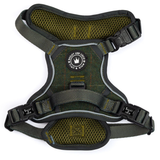
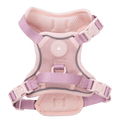
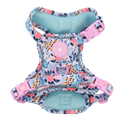
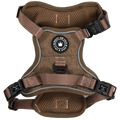
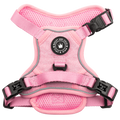
If your dog wears a harness for walking, you can still coordinate the collar with the harness pattern. A Lavender Tweed collar paired with a Lavender Tweed Trail Glow harness is a combination that looks absolutely stunning. Check our tweed harness guide for details on the full range.
See the full range of coordinating tweed dog harnesses in our harness collection.
Add a Bow Tie
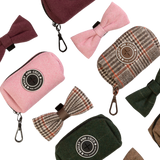
For special occasions, add a matching tweed bow tie to your dog's collar for a look that is guaranteed to melt hearts. Our bow ties clip directly onto the collar and come in all five tweed patterns. Perfect for birthday photos, family gatherings, or simply a walk in the park when your dog wants to make an entrance.
Fabric Collars as Gifts
Fabric collars make thoughtful, practical gifts for dog parents. Unlike a novelty toy that gets destroyed in five minutes or a treat that is eaten and forgotten, a beautiful collar is something the recipient will see and use every single day.
A gift set with a matching collar and lead, or a collar and bow tie combination, is particularly special. It shows thought and care, and it gives the recipient's dog something genuinely useful and beautiful. With five tweed patterns to choose from, you can match the gift to the recipient's taste or their dog's personality.
For the dog parent who already has everything, a coordinated collar and harness set in a new pattern can refresh their dog's entire wardrobe in one go. It is the kind of gift that gets used daily and appreciated every time.
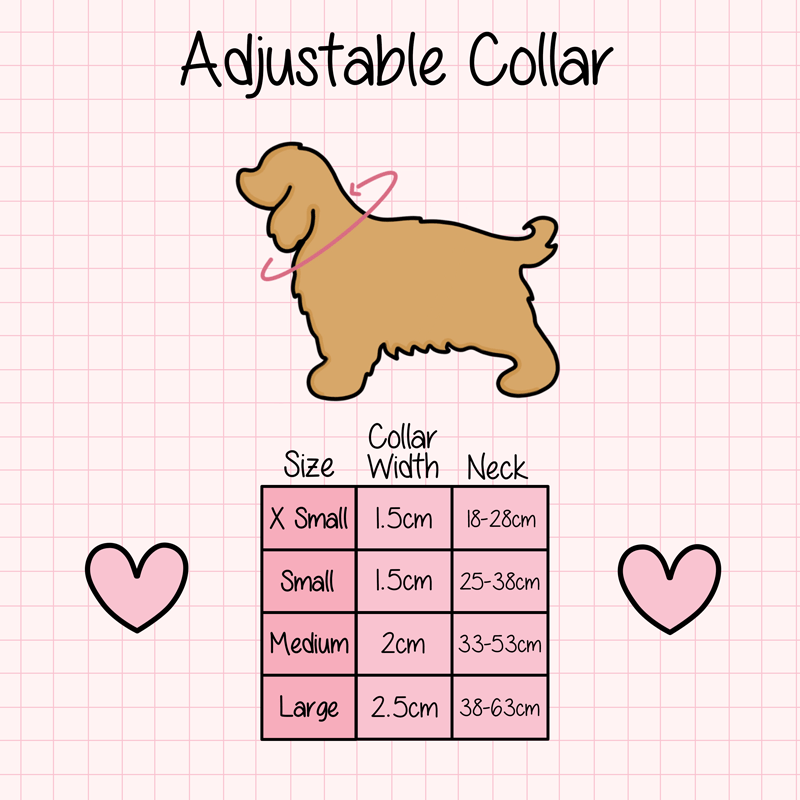
Sizing Your Fabric Collar
Getting the right fit is essential for comfort and safety. Our adjustable fabric collars come in multiple sizes to suit dogs from small breeds to larger ones. For detailed measuring instructions, including how to use a tape measure and the two-finger rule, visit our dog collar size guide. If you are new to collar fitting and want to understand how snug is too snug, our guide on how tight a dog collar should be covers everything you need to know.
Frequently Asked Questions
Are fabric dog collars durable?
Yes, high-quality fabric collars are surprisingly durable. Premium tweed and cotton collars use reinforced stitching and strong hardware that stands up to daily use. They will not last as long as heavy-duty nylon in extreme conditions, but for everyday walking, garden time, and normal activities, a well-made fabric collar will serve your dog well for 12 to 18 months or more.
Can you wash fabric dog collars?
Most fabric collars should be spot cleaned with a damp cloth and mild soap. For deeper cleaning, soak in lukewarm water with gentle detergent, scrub gently, rinse thoroughly, and air dry. Avoid machine washing unless the manufacturer specifically approves it, and never use a tumble dryer or bleach.
Are fabric collars better than nylon for dogs?
For comfort, breathability, fur friendliness, and style, fabric collars are generally better than nylon. Nylon wins on pure durability and weather resistance. For most pet dogs in everyday conditions, fabric is the superior choice. If your dog swims, rolls in mud, or does heavy outdoor work daily, nylon or waterproof materials may be more practical as a primary collar.
What is the best fabric for a dog collar?
Tweed is one of the best fabrics for dog collars. It is durable, soft, beautifully textured, and quintessentially British. Cotton is another excellent option for its softness and breathability. Polyester blends offer improved water resistance and colour retention. The best choice depends on your priorities, but tweed offers the best overall balance of comfort, style, and durability.
Will a fabric collar damage my dog's fur?
No. Fabric collars are one of the most fur-friendly collar options available. The smooth, soft surface does not create the friction that causes matting and breakage. This makes fabric collars particularly good for long-coated breeds like Yorkshire Terriers, Maltese, and Cavalier King Charles Spaniels, where fur health around the neck is a common concern.
Are fabric collars suitable for puppies?
Absolutely. Fabric collars are an excellent choice for puppies. They are lightweight, soft, and gentle on a puppy's delicate skin. An adjustable fabric collar can grow with your puppy through their first months. Introduce the collar gradually, letting your puppy wear it for short periods at home before using it outside. For more guidance, read our personalised collars guide which also covers collar introduction tips.
How do I choose a fabric collar pattern?
Choose a pattern that complements your dog's coat colour and your personal style. Darker patterns like Charcoal Tweed look striking against light or golden coats. Lighter patterns like Lavender Tweed pop beautifully against darker coats. Heritage Plaid is the versatile all-rounder that suits every dog. If in doubt, start with Heritage Plaid and expand your collection from there.
For a wider look at every collar type and material, visit our best dog collars UK guide. Pair your fabric collar with a matching lead from our best dog leads guide, or explore our harness buying guide for the full walking setup.


