













Part of The Weekly Woof by Andrew Simpson
If you live in the UK, you already know the drill. You check the forecast, see a sliver of sunshine, lace up your boots, and head out with your four-legged companion, only to be caught in a downpour fifteen minutes later. It is, quite simply, the British way. But while we can throw on a waterproof jacket, our dogs' collars often bear the full brunt of the Great British weather, and not all of them are up to the task.
A waterproof dog collar is not a luxury. For UK dog owners who walk in rain, mud, puddles, and the occasional coastal splash, it is a practical necessity. Standard fabric collars absorb moisture, trap bacteria, and develop that unmistakable wet-dog smell that lingers for days. A quality waterproof collar sidesteps all of these problems, keeping your dog comfortable, hygienic, and looking sharp no matter what the skies throw at you.
In this guide, we will cover everything you need to know about waterproof dog collars in the UK: why they matter, what materials to look for, how they compare to fabric alternatives, which activities they are best suited to, and how to care for them. Whether you are a seasoned rambler or a fair-weather park walker who keeps getting caught out, this is the guide you have been looking for.

Why Waterproof Collars Matter for UK Dog Owners
The United Kingdom averages around 156 days of rainfall per year, and that figure climbs significantly in Scotland, Wales, and the north of England. For the average dog owner walking their pet twice daily, that means hundreds of walks in damp or wet conditions over the course of a year. A collar that cannot handle moisture is going to cause problems, and quickly.
The Problem with Standard Collars in Wet Weather
Traditional fabric and nylon collars are designed primarily for dry conditions. When they get wet, a cascade of issues begins:
- Odour retention: Wet fabric traps bacteria, which produces that persistent, unpleasant smell. Even after drying, the odour often remains embedded in the fibres.
- Colour bleeding and staining: Dyed fabric can bleed when saturated, staining your dog's fur, particularly noticeable on lighter-coated breeds.
- Bacterial and fungal growth: Moisture that sits against the skin creates an ideal breeding ground for bacteria and fungi, potentially leading to skin irritation or hot spots.
- Structural weakening: Repeated wetting and drying cycles degrade the fibres over time, weakening the collar's integrity and reducing its lifespan.
- Slow drying time: A standard nylon collar can take hours to dry fully, meaning your dog may be wearing a damp collar for the rest of the day.
- Hardware corrosion: Cheaper metal buckles and D-rings exposed to constant moisture can rust, compromising both function and safety.
None of these issues are catastrophic on their own, but they compound over time. A collar that smells, stains, and weakens after a few months of UK weather is a collar you will be replacing far more often than you should.
The British Climate and Your Dog's Collar
It is not just rain that poses a challenge. Morning dew on long grass, muddy woodland trails, puddles in the park, and even sea spray on coastal walks all contribute to moisture exposure. If you walk near rivers or canals, or if your dog is the type to wade into any body of water they see, the exposure multiplies further. A waterproof collar is built for exactly this reality.
Benefits of Waterproof Dog Collars
A well-made waterproof collar addresses every weakness of its fabric counterpart. Here is what you gain:
- Odour resistance: Waterproof materials do not absorb moisture, so bacteria have nowhere to thrive. No absorption means no smell.
- Effortless cleaning: A quick wipe with a damp cloth or a rinse under the tap is all it takes. Some owners even give them a wipe with mild soap after a particularly muddy walk, and the collar looks brand new in seconds.
- Durability: Waterproof collars are engineered to withstand repeated exposure to water, mud, salt, and UV light without degrading. They hold their shape and colour far longer than fabric alternatives.
- Colour retention: No bleeding, no fading. The colour you buy is the colour you keep, walk after walk, wash after wash.
- Hygienic: Without moisture absorption, there is no environment for bacteria or fungal growth. This makes waterproof collars an excellent choice for dogs with sensitive skin.
- Quick drying: Because waterproof materials repel rather than absorb water, they are essentially dry the moment you wipe them. No waiting, no lingering dampness against your dog's neck.
- Year-round performance: Rain, snow, mud, or sunshine, a waterproof collar performs consistently in every season.
For UK owners, the practical benefits alone justify the switch. But there is also the aesthetic argument: a collar that always looks clean, vibrant, and well-maintained reflects well on both you and your dog.
Waterproof Collar Materials Explained
Not all waterproof collars are created equal. The material dictates performance, feel, flexibility, and longevity. Here are the main options you will encounter:
Biothane
Biothane is a polyester webbing with a TPU or PVC coating, originally developed for equestrian use. It has become the gold standard for waterproof dog collars. It is flexible like leather, completely waterproof, and remarkably tough. Biothane does not absorb water, dirt, or odour, and it comes in a wide range of colours and finishes. It is also vegan-friendly, making it a popular choice for owners who prefer not to use leather.
Coated Nylon
Coated nylon features a standard nylon core with a waterproof coating applied to the surface. It is lighter than biothane and typically more affordable. However, the coating can wear off over time with heavy use, gradually reducing its waterproof properties. It is a solid mid-range option for owners who want water resistance without the premium price.
Silicone
Silicone collars are fully waterproof, lightweight, and extremely easy to clean. They are particularly popular for dogs who swim regularly, as silicone is entirely non-absorbent and dries instantly. The trade-off is that silicone can feel less premium than biothane and may not suit owners looking for a more traditional collar aesthetic.
PVC and Rubber
PVC and rubber collars are the most budget-friendly waterproof option. They are functional and easy to wipe clean, but they can be stiffer and less comfortable than biothane or silicone. They are best suited as secondary collars for specific activities, such as beach days or muddy hikes, rather than everyday wear.
Choosing the Right Material
For most UK dog owners, biothane offers the best balance of comfort, durability, and style. If budget is a primary concern, coated nylon is a respectable alternative. Silicone is ideal for water-loving breeds, and PVC works well as a dedicated activity collar. If you are unsure about which collar size to choose, make sure you measure your dog properly before purchasing, regardless of material.
Waterproof vs Fabric Collars: The Full Comparison
Let us put the two collar types side by side across the criteria that matter most to UK dog owners.
| Criteria | Waterproof Collar | Fabric Collar |
|---|---|---|
| Water Resistance | Fully waterproof; repels all moisture | Absorbs water; slow to dry |
| Odour Resistance | Excellent; no absorption means no smell | Poor; traps bacteria and odour |
| Cleaning | Wipe clean in seconds | Requires hand washing and drying time |
| Durability | Highly durable; resists UV, salt, and abrasion | Degrades with repeated wetting and drying |
| Colour Retention | Excellent; no fading or bleeding | Can fade and bleed when wet |
| Comfort | Smooth and lightweight; no dampness | Soft when dry; uncomfortable when wet |
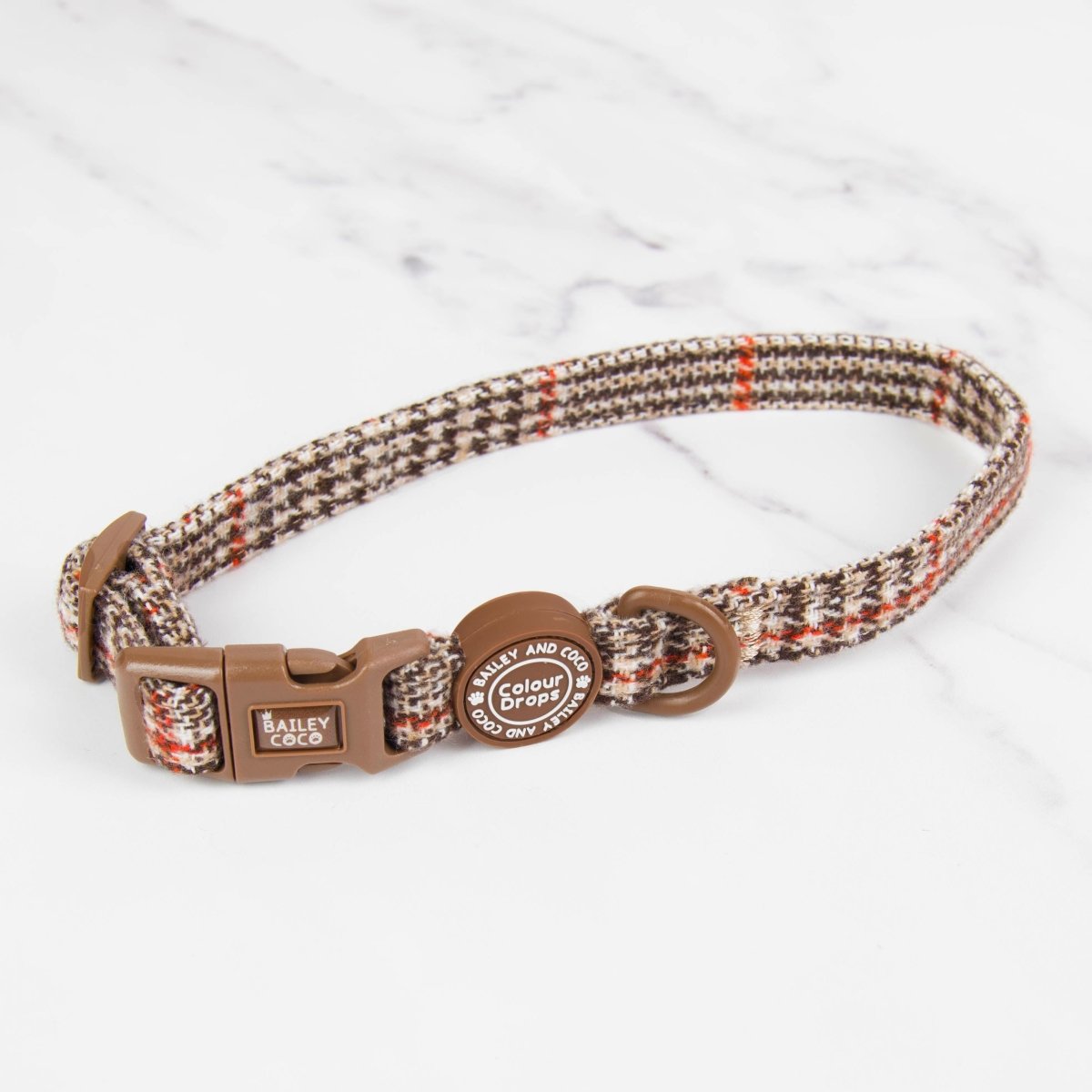
| Style Options | Growing range; solid colours and patterns | Wide range; tweed, plaid, prints, embroidered |
| Skin Safety | Low irritation risk; no trapped moisture | Higher risk of irritation in wet conditions |
| Best For | Active dogs, wet climates, outdoor adventures | Dry weather, short walks, fashion-first owners |
| Price Range | Mid to premium | Budget to premium |
The takeaway is straightforward: if your dog regularly encounters wet conditions, and in the UK that is almost inevitable, a waterproof collar offers superior practicality. That said, there is absolutely a place for quality fabric collars in your dog's wardrobe, particularly for dry-weather walks where style is the priority. Many owners find that having both a waterproof collar and a fabric collar gives them the best of both worlds.
For a deeper dive into how these materials handle water differently, our guide on water resistant vs waterproof dog gear compares every common material across leads, collars, harnesses, and walking bags.
Best Activities for Waterproof Dog Collars
While a waterproof collar performs perfectly well on a standard park walk, it truly earns its keep during more demanding activities. Here are the situations where a waterproof collar goes from "nice to have" to "absolutely essential."
Beach Walks and Coastal Adventures
Saltwater is particularly harsh on traditional collars. It accelerates corrosion of metal hardware, stiffens fabric, and leaves behind a residue that is difficult to wash out. A waterproof collar shrugs off saltwater without issue. A quick rinse with fresh water after a beach walk, and it is as good as new. If you frequently walk along the coast, whether in Cornwall, Norfolk, or the Scottish Highlands, a waterproof collar is non-negotiable.
Rainy Day Walks
This one is obvious, but worth stating clearly. A waterproof collar means you never have to think twice about heading out in the rain. No post-walk smell, no extended drying time, no worrying about your dog wearing a damp collar for hours afterwards. Just walk, wipe, and carry on.
Muddy Woodland and Countryside Hikes
Mud is the silent collar killer. It works its way into fabric fibres, stains them, and is notoriously difficult to remove fully. Waterproof collars are non-porous, so mud sits on the surface rather than being absorbed. A wipe or a rinse removes it completely. For dog owners who love a weekend ramble through muddy trails, this is a game-changer.
Swimming Dogs
If your dog loves to swim, whether in lakes, rivers, or the sea, a waterproof collar is essential. It will not absorb water, so it does not become heavy or uncomfortable when wet. It dries almost instantly, and there is no risk of prolonged moisture sitting against your dog's skin. Some owners prefer to remove the collar entirely for swimming, but if your dog needs to wear one for identification or safety, waterproof is the only sensible option.
Winter Walks
Frost, sleet, and snow all introduce moisture in different forms. A waterproof collar handles all of them without any impact on performance. In freezing conditions, a wet fabric collar can actually become stiff and uncomfortable. Waterproof materials remain flexible and soft regardless of temperature.
Bailey and Coco Waterproof Collar Features
At Bailey and Coco, our waterproof collar range is designed specifically for the demands of UK dog ownership. We know that British weather does not wait for anyone, so our collars are built to perform in rain, mud, and everything in between.
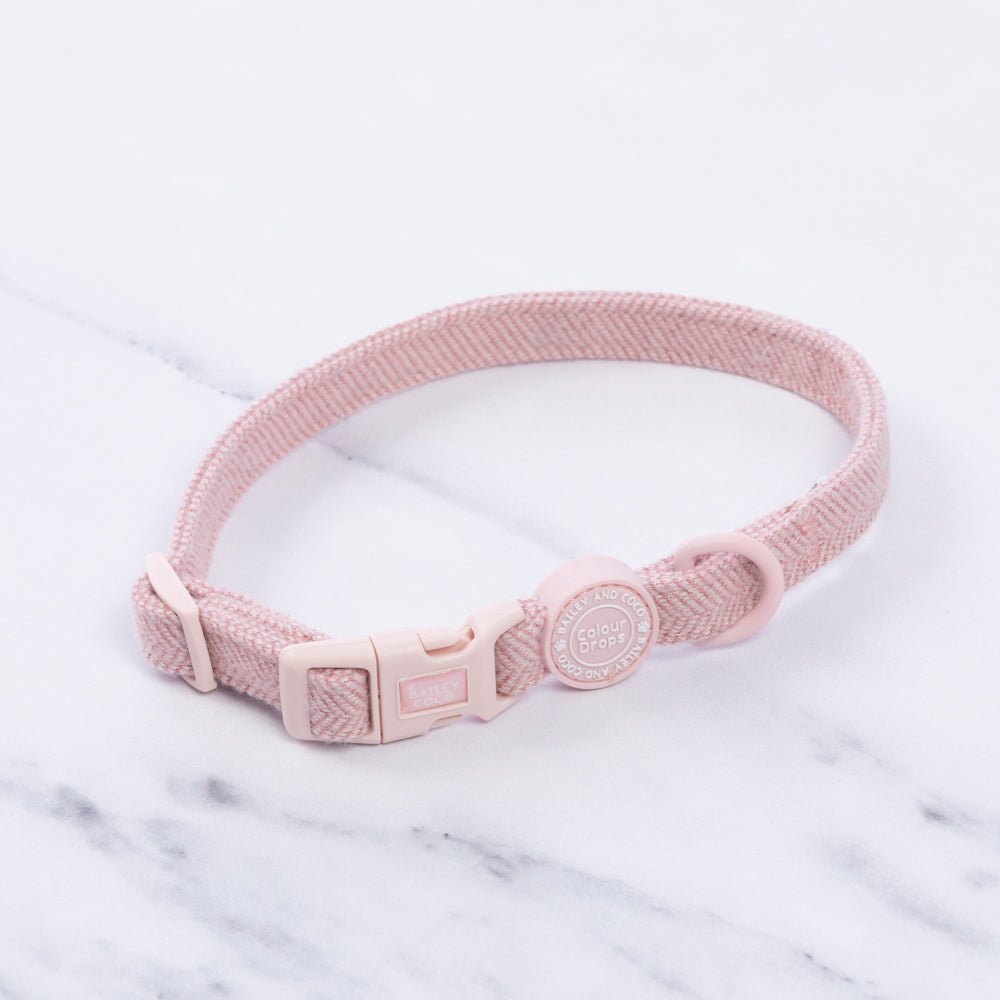
Our waterproof collars feature weather-resistant materials that repel water on contact. They are incredibly easy to clean; a simple wipe after a walk is all that is needed to keep them looking pristine. The colours stay vibrant wash after wash, and the hardware is selected for corrosion resistance.
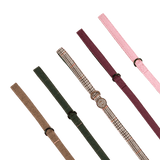
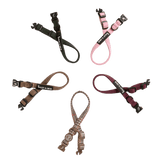
What sets our range apart is that we do not believe you should have to choose between function and style. Our waterproof collars are available in a range of colours and designs that complement our broader collection, so your dog looks as good on a rainy Tuesday as they do on a sunny Saturday.
For proper fit guidance, our dog collar size guide walks you through measuring your dog and selecting the right size. And if you are wondering about the ideal tightness, our guide on how tight a dog collar should be covers the two-finger rule and common fitting mistakes.
Matching Waterproof Sets: Collar and Lead
There is something satisfying about a perfectly matched collar and lead set. It looks polished, it shows you care about the details, and practically speaking, it means both pieces are made from the same waterproof material, so you get consistent performance from head to hand.
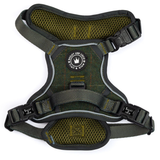
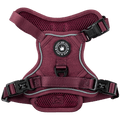
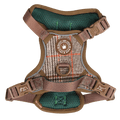
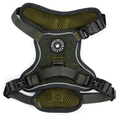
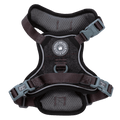
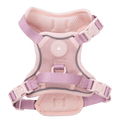
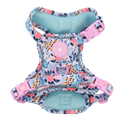
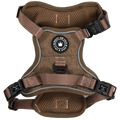
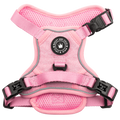
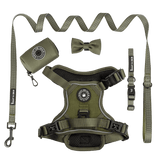
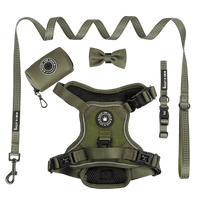
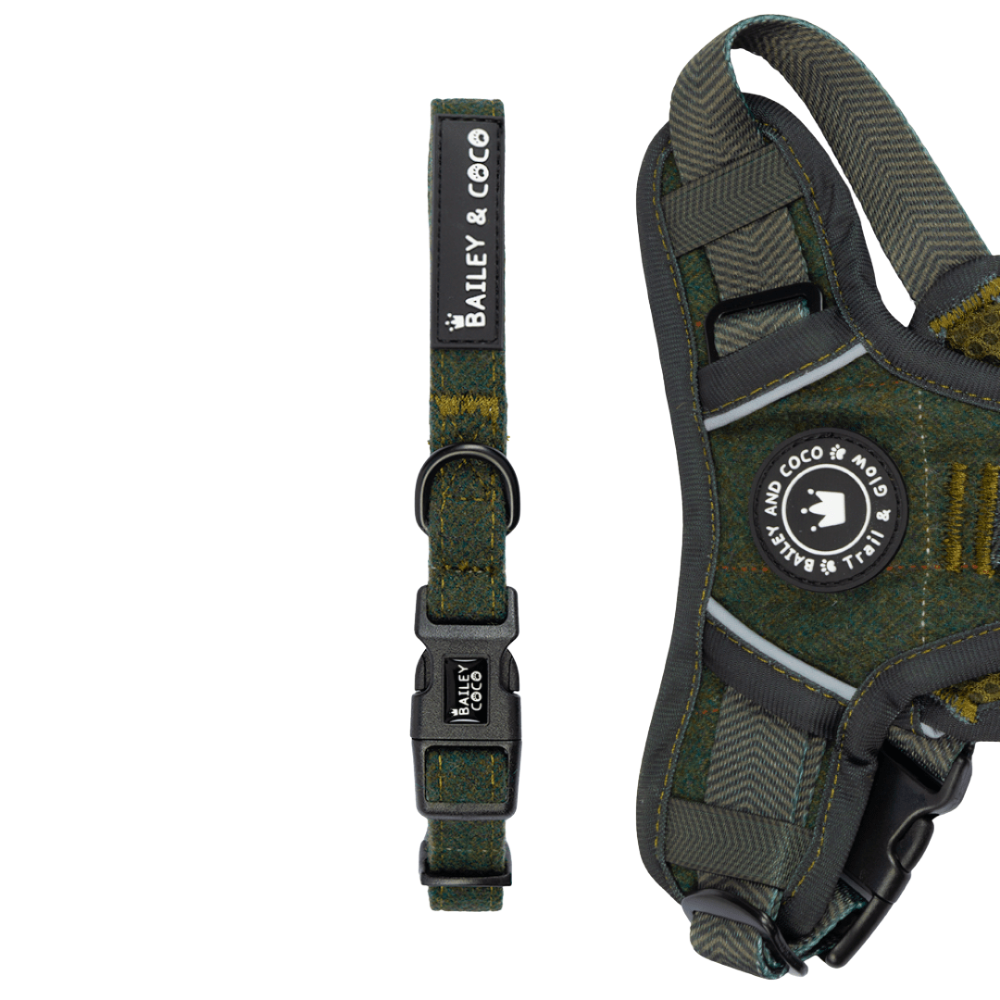
For the complete wet-weather walking kit, add a waterproof dog harness to your set for coordinated all-weather protection.
Our waterproof collar and lead sets are priced at just £37, which represents excellent value compared to purchasing each piece separately. The lead is crafted from the same weather-resistant material as the collar, so it handles mud, rain, and general wear with equal ease.
A matching set also makes a thoughtful gift for a fellow dog owner. Practical, stylish, and built for the British climate. For those looking to explore the full range of waterproof dog leads, we have a dedicated guide covering everything from length options to handle styles.
Caring for Your Waterproof Collar
One of the great advantages of waterproof collars is how little maintenance they require. That said, a few simple habits will keep your collar in peak condition for years.
After Every Walk
Give the collar a quick wipe with a damp cloth to remove any surface dirt, mud, or salt. This takes no more than ten seconds and prevents any buildup over time.
Weekly Deep Clean
Once a week, or after a particularly messy outing, wash the collar with warm water and a small amount of mild soap. Rinse thoroughly and pat dry. Avoid harsh detergents or bleach, as these can affect the finish over time.
Hardware Care
Check the buckle, D-ring, and any adjustment hardware regularly. Even corrosion-resistant metal benefits from an occasional wipe to remove salt or grit. Ensure all moving parts operate smoothly.
Storage
Store the collar in a dry place when not in use. While the collar itself is waterproof, storing it damp in an enclosed space (such as a closed bag) for extended periods is not ideal. Let it air out before putting it away.
Inspection
Periodically check the collar for signs of wear, particularly around the buckle holes and the point where the lead clips on. These are the highest-stress areas. If you notice any cracking, fraying, or weakening, it is time for a replacement.
Seasonal Considerations for Waterproof Collars
Different seasons present different challenges, and understanding these helps you get the most from your waterproof collar.
| Season | Primary Challenges | Waterproof Collar Advantage |
|---|---|---|
| Spring | April showers, muddy trails, morning dew | Repels rain and mud; quick wipe clean after wet walks |
| Summer | Beach trips, river swimming, UV exposure | Salt and UV resistant; dries instantly after swimming |
| Autumn | Heavy rain, leaf litter, persistent dampness | No moisture absorption; stays fresh through wet months |
| Winter | Snow, ice, road salt, freezing temperatures | Stays flexible in cold; resists road salt corrosion |
The beauty of a waterproof collar is that it does not require seasonal rotation. It performs consistently all year round, which means one collar covers every condition. That said, many of our customers love to have a selection of collars for different occasions, with waterproof being their go-to for active outdoor adventures.
Who Should Choose a Waterproof Collar?
While any dog owner in the UK would benefit from a waterproof collar, certain lifestyles and breeds make it particularly worthwhile:
- Active outdoor owners: If you hike, ramble, or walk off-lead in countryside settings, a waterproof collar handles every terrain.
- Coastal dwellers: Living near the sea means regular exposure to salt air and saltwater. Waterproof is the only practical choice.
- Owners of water-loving breeds: Labradors, Spaniels, Golden Retrievers, and similar breeds that dive into water at every opportunity need a collar that can keep up.
- Multi-dog households: More dogs means more walks in all conditions. Waterproof collars reduce the cleaning burden significantly.
- Owners of dogs with skin sensitivities: The non-absorbent nature of waterproof materials means less trapped moisture against the skin, reducing irritation risk.
- Anyone who values low maintenance: If you want a collar that looks and performs well with minimal effort, waterproof is the answer.
Making the Switch: What to Know
If you are transitioning from a fabric collar to a waterproof one, there are a few things to keep in mind. First, sizing. Waterproof materials can fit slightly differently from fabric, so take a fresh measurement rather than assuming your current size will transfer directly. Our collar size guide makes this straightforward.
Second, your dog may need a day or two to adjust to the different feel of the material. Most dogs do not notice at all, but some may react to the new texture initially. This is perfectly normal and passes quickly.
Third, do not feel you need to get rid of your fabric collars. Many owners keep a fabric collar for dry-weather walks and use their waterproof collar as the default for everything else. Having options is always a good thing.
Frequently Asked Questions
Are waterproof dog collars safe for everyday use?
Absolutely. Waterproof collars are designed for daily wear. High-quality waterproof materials like biothane are soft, flexible, and comfortable against your dog's skin. They do not trap moisture or bacteria, which actually makes them a more hygienic option for everyday use than fabric collars that absorb sweat and dirt.
Can I use a waterproof collar on a puppy?
Yes, provided you choose the right size and check the fit regularly as your puppy grows. Puppies grow quickly, so an adjustable collar is essential. Waterproof collars are particularly practical for puppies, as young dogs tend to get into mud, puddles, and all manner of mess. A collar that wipes clean in seconds will save you considerable effort.
How do I clean a waterproof dog collar?
Simply wipe it with a damp cloth after each walk. For a deeper clean, use warm water and a small amount of mild soap, then rinse and pat dry. Avoid harsh chemicals or abrasive scrubbers. Most waterproof collars require no more than 30 seconds of cleaning, even after the muddiest walks.
Will a waterproof collar smell?
No. The primary reason traditional collars develop odour is that they absorb moisture, which allows bacteria to grow. Waterproof collars do not absorb water, so bacteria have no environment in which to thrive. As long as you give the collar an occasional wipe, it will remain odour-free indefinitely.
Are waterproof collars suitable for dogs with sensitive skin?
Yes, and they are often recommended for sensitive dogs. Because waterproof materials do not trap moisture against the skin, there is a reduced risk of irritation, hot spots, and fungal infections. If your dog has a history of skin issues, particularly around the neck area, switching to a waterproof collar can make a noticeable difference.
What is the difference between water-resistant and waterproof?
Water-resistant means the collar can handle light moisture, such as drizzle or damp grass, but may absorb water in heavier conditions. Waterproof means the collar is completely impervious to water, no matter the amount or duration of exposure. For UK weather, we recommend fully waterproof rather than merely water-resistant.
Can I get a matching waterproof lead?
Yes. Our collar and lead sets pair a waterproof collar with a matching waterproof lead for just £37. This gives you a coordinated, all-weather set that looks polished and performs brilliantly in every condition.
Final Thoughts
Living in the UK and walking your dog means accepting that rain, mud, and damp conditions are part of the deal. A waterproof dog collar is the simplest, most effective upgrade you can make to your dog's kit. It eliminates the smell, the staining, the bacteria, and the constant cleaning that fabric collars demand. It keeps your dog comfortable and looking their best, regardless of what the British weather decides to do.
At Bailey and Coco, we believe that practical should not mean boring. Our waterproof collar range delivers serious all-weather performance wrapped in designs that you and your dog will love. Pair one with a matching waterproof lead for the complete package, and you will be set for every season, every walk, and every adventure that comes your way.
Browse our full collar collection to find the perfect fit for your four-legged friend.


