

















When the frost settles on the garden gate and your breath hangs in the morning air, one question plays on every dog owner's mind: is it too cold to take the dog out? It is a fair question, and one that deserves a proper, practical answer. In this guide, we will walk you through exactly how cold is too cold for dogs in the UK, with breed-specific temperature thresholds, warning signs to watch for, and a winter walking gear checklist so you and your four-legged companion can enjoy the colder months safely.
Whether you have a thick-coated Husky who thinks February is the best month of the year or a shivering Chihuahua who would rather stay under the duvet, this guide has you covered.
Quick Answer
For most UK dogs, temperatures below 0°C mean shorter walks and close monitoring. Small, thin-coated, elderly dogs, and puppies should take extra care below 5°C. Below -5°C, limit outdoor time to brief toilet breaks unless your dog is a cold-hardy breed.
What We Cover
- Why Cold Weather Matters for Dogs
- Temperature Safety Chart for Dogs
- Breed Categories: Cold-Hardy vs Cold-Sensitive Dogs
- Age and Health: Why Puppies and Seniors Need Extra Attention
- Warning Signs: How to Tell If Your Dog Is Too Cold
- Winter Walking Gear Checklist
- How Long Should Winter Walks Be?
- UK-Specific Winter Considerations
- Do Dogs Need Coats in Winter?
- 10 Tips for Safe Winter Dog Walking
- Frequently Asked Questions
Why Cold Weather Matters for Dogs
Dogs regulate their body temperature differently from humans. While we can layer up with scarves and thermal socks, our dogs rely on their coat type, body fat, size, and overall health to stay warm. Some breeds were literally built for freezing conditions, while others start to struggle when the thermometer dips below 10°C.
In the UK, winter temperatures typically range from around 7°C down to -5°C or lower in parts of Scotland and Northern England. That is a wide band, and where your dog sits on the comfort scale within it depends on several factors we will cover below.
Hypothermia and frostbite are real risks for dogs, not just humans. Paws, ear tips, and tails are particularly vulnerable to cold-related injuries. Understanding when conditions become dangerous is not about being overcautious; it is about being a responsible owner.
Temperature Safety Chart for Dogs
The table below provides a general guide to how different dogs cope at various temperatures. Keep in mind that wind chill, rain, and damp conditions can make the "feels like" temperature significantly lower than what your thermometer reads.
| Temperature | Large Breeds, Thick Coat | Medium Breeds, Standard Coat | Small Breeds, Thin/Short Coat |
|---|---|---|---|
| 10°C and above | Safe | Safe | Safe |
| 5°C to 10°C | Safe | Safe | Caution |
| 0°C to 5°C | Safe | Caution | Caution / Risky |
| -5°C to 0°C | Caution | Risky | Dangerous |
| Below -5°C | Risky | Dangerous | Dangerous |
Important note: These are guidelines, not absolute rules. A fit, healthy Labrador with a dense double coat will handle 0°C very differently from a senior Labrador with arthritis. Always consider the individual dog in front of you.
Breed Categories: Cold-Hardy vs Cold-Sensitive Dogs
Not all dogs are created equal when it comes to cold tolerance. Understanding where your breed falls can help you make smarter decisions about when and how long to walk in winter.
Cold-Hardy Breeds (Built for Winter)
These breeds have thick double coats, larger body mass, or were historically bred for cold climates. They generally remain comfortable well below freezing and often seem to enjoy cold weather.
- Siberian Husky - Bred for sub-zero temperatures; thrives in cold weather
- Alaskan Malamute - Dense undercoat provides exceptional insulation
- Bernese Mountain Dog - Heavy coat designed for the Swiss Alps
- Newfoundland - Water-resistant double coat handles cold and wet
- German Shepherd - Double coat and larger frame provide good cold tolerance
- Border Collie - Working breed accustomed to exposed upland conditions
- Golden Retriever - Dense, water-repellent coat and sturdy build
- Labrador Retriever - Thick double coat originally developed for icy Canadian waters
Even cold-hardy breeds have their limits. If the temperature drops below -10°C with wind chill, keep walks shorter and watch for signs of discomfort.
Cold-Sensitive Breeds (Need Extra Care)
These breeds have thin coats, small frames, low body fat, or short muzzles that make them more vulnerable to the cold. Extra precautions are essential during UK winters.
- Chihuahua - Tiny frame and thin coat mean very little insulation
- French Bulldog - Short coat and brachycephalic airways make cold air harder to manage. See our guide to the best harness for French Bulldogs for comfortable winter walks
- Pug - Short muzzle and thin coat; struggles below 5°C. A well-fitted harness for Pugs helps keep them secure when they want to dash back to warmth
- Dachshund - Low to the ground with a thin coat; belly gets very cold very quickly. Check out our Dachshund harness buying guide for the right fit
- Whippet and Greyhound - Almost no body fat and extremely thin coats
- Italian Greyhound - Smallest of the sighthounds; shivers at the first sign of cold
- Yorkshire Terrier - Small body and fine coat offer minimal warmth
- Chinese Crested - Hairless varieties have virtually no natural protection
If you own a small or cold-sensitive breed, you might also want to read our guide on the best dog collars for small dogs, which covers lightweight accessories designed for smaller frames.
Top Tip
Walk during the warmest part of the day, usually between 11am and 2pm, to give cold-sensitive breeds the best conditions.
Age and Health: Why Puppies and Seniors Need Extra Attention
Age plays a significant role in how well a dog handles cold weather. Puppies and senior dogs are both more vulnerable, though for different reasons.
Puppies (Under 12 Months)
Puppies have not yet fully developed their ability to regulate body temperature. Their coats are often thinner and less insulating than adult coats, and their smaller body mass means they lose heat faster. For puppies, consider these adjustments:
- Keep winter walks shorter (15 to 20 minutes in temperatures below 5°C)
- Avoid walks in heavy rain or sleet until they are at least four months old
- Watch for shivering, whining, or reluctance to walk as signs they have had enough
- Dry them thoroughly as soon as you get home
Senior Dogs (Typically 7+ Years)
Older dogs often suffer from arthritis and joint stiffness, which cold weather can make significantly worse. Their circulation may be less efficient, and they may have less muscle mass to generate warmth. For senior dogs:
- Warm up gradually before heading out; a few minutes of gentle movement indoors helps
- Choose routes with good footing to reduce the risk of slips on icy paths
- Keep walks at a comfortable pace; let your dog set the tempo
- Consider shorter, more frequent walks rather than one long outing
- Pay attention to stiffness after walks, which may indicate they were out too long
Dogs With Health Conditions
Dogs with heart disease, diabetes, Cushing's disease, kidney problems, or hormonal imbalances may struggle more in cold weather. If your dog has any ongoing health condition, speak to your vet about specific cold weather guidelines tailored to their needs.
Warning Signs: How to Tell If Your Dog Is Too Cold
Dogs cannot tell us when they are uncomfortable, so it is our job to read the signs. Here are the key warning signals that your dog is too cold during a walk:
Mild Cold Stress
- Shivering or trembling - The most obvious sign; the body's attempt to generate warmth
- Reluctance to walk - Stopping, turning back, or trying to pull towards home
- Lifting paws - Alternately lifting feet off the ground, particularly on icy or salted surfaces
- Tucked tail - Holding the tail close to the body to conserve heat
- Hunched posture - Curling up or hunching to reduce exposed surface area
Moderate to Severe Cold Stress
- Whining or barking - Vocalising discomfort or anxiety
- Seeking shelter - Trying to hide behind walls, under cars, or pressing against your legs
- Slow or stiff movement - Cold muscles and joints lead to laboured movement
- Pale or blue gums - A sign of poor circulation; this requires immediate action
- Lethargy or weakness - If your dog becomes sluggish or unresponsive, get them warm immediately and contact your vet
If you notice any of the moderate to severe signs, end the walk immediately. Get your dog to a warm, dry environment as quickly as possible. Wrap them in a dry towel or blanket and allow them to warm up gradually. Do not use direct heat sources like hairdryers or radiators pressed against their skin, as this can cause burns.
Important
If your dog is shivering uncontrollably, seems lethargic, or has ice forming on their coat, get them indoors immediately. Hypothermia can develop within 30 minutes in severe conditions.
Winter Walking Gear Checklist
The right gear makes all the difference when walking your dog in cold, wet, and dark UK conditions. Here is what to consider for safe and comfortable winter outings.
A Well-Fitted Harness for Visibility and Control
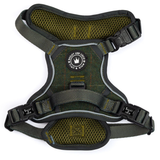
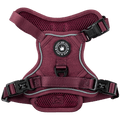
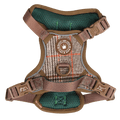
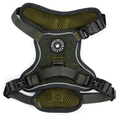
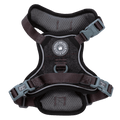
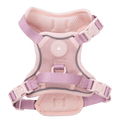
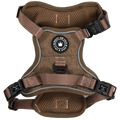
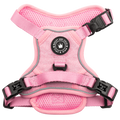
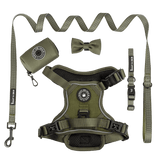
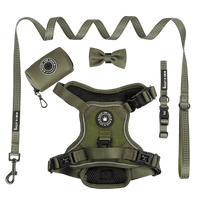
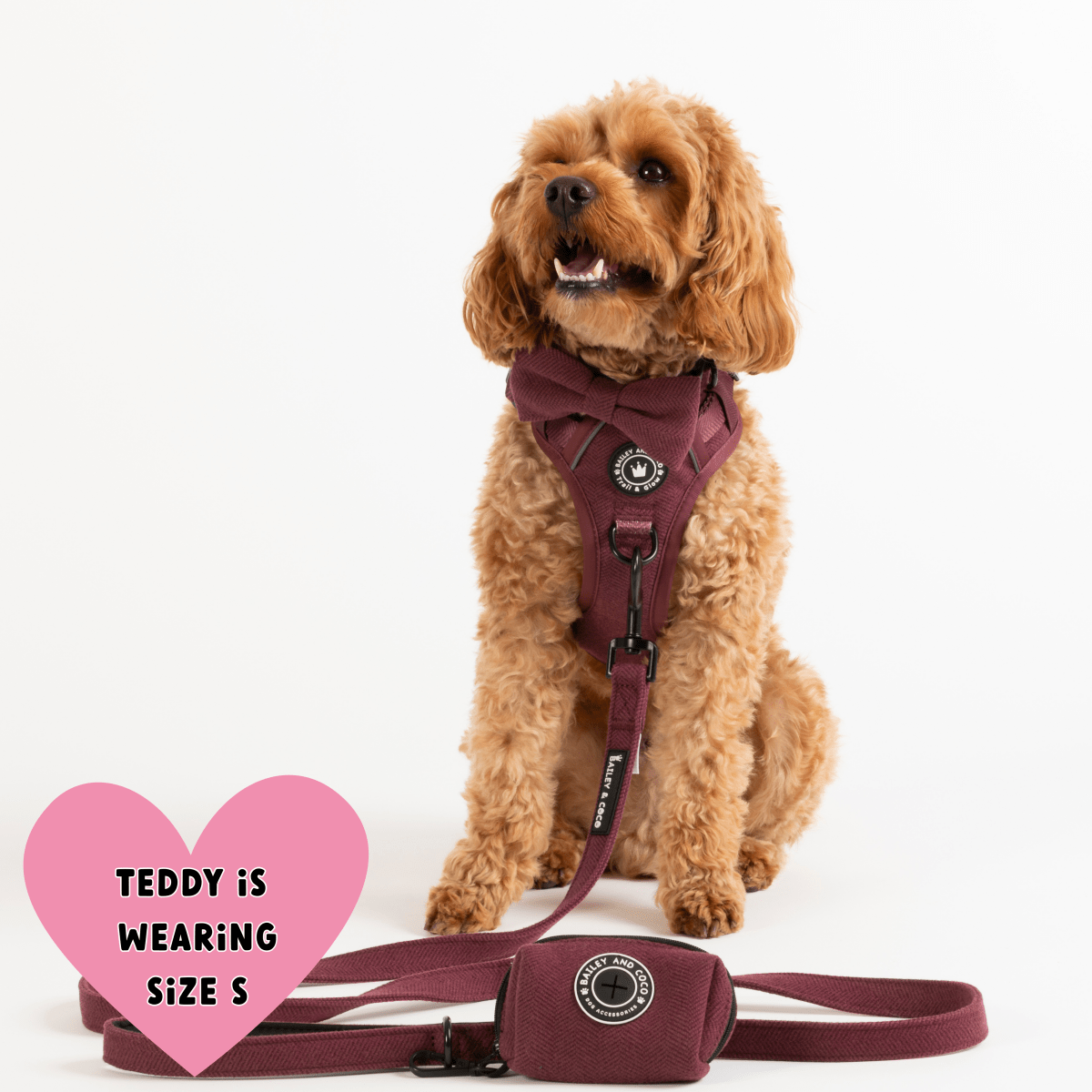
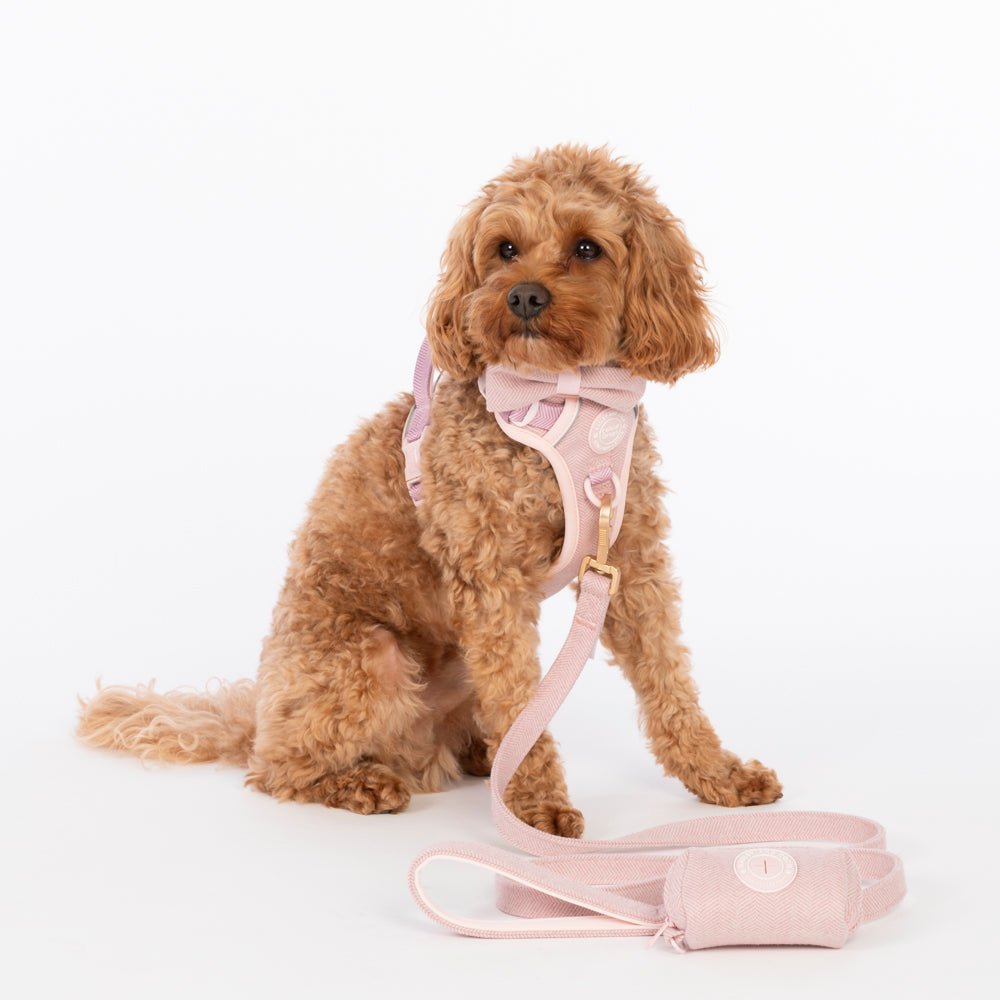
During the darker months, visibility is a real safety concern. Many dog owners walk before sunrise or after sunset, and a reflective or brightly coloured harness can make your dog visible to cyclists, drivers, and other pedestrians. A harness also distributes pressure across the chest rather than the neck, which is particularly important in cold weather when muscles and airways may already be under stress.
If you are looking for the right fit, our dog harness buying guide covers everything from sizing to style, helping you choose a harness that works in every season.
Waterproof Leads for Wet Conditions
A standard fabric lead can become soggy, heavy, and uncomfortable to hold in rain, sleet, or snow. Waterproof leads stay grippy, dry quickly, and do not absorb odours from puddles and mud. They are also much easier to clean after a wet walk, which saves time when you get home.
We have a detailed guide on waterproof dog leads if you want to explore the options and find the right one for your dog.
Weatherproof Collars
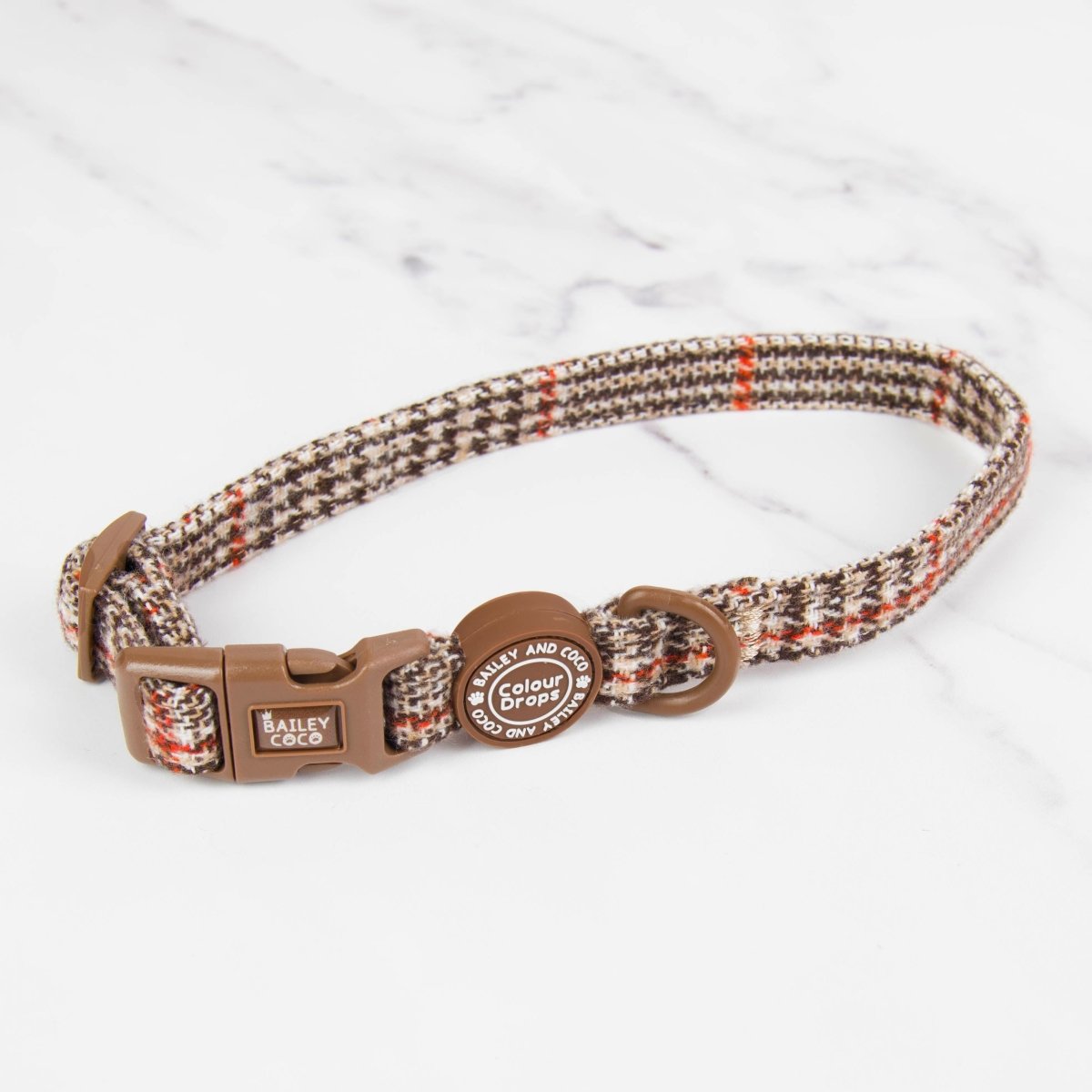
Just like leads, collars can suffer in wet conditions. A waterproof collar will not absorb moisture, which means it will not become heavy, smelly, or start to deteriorate after repeated winter walks. Have a look at our guide to waterproof dog collars for recommendations that hold up through the worst of British weather.
Reflective Accessories
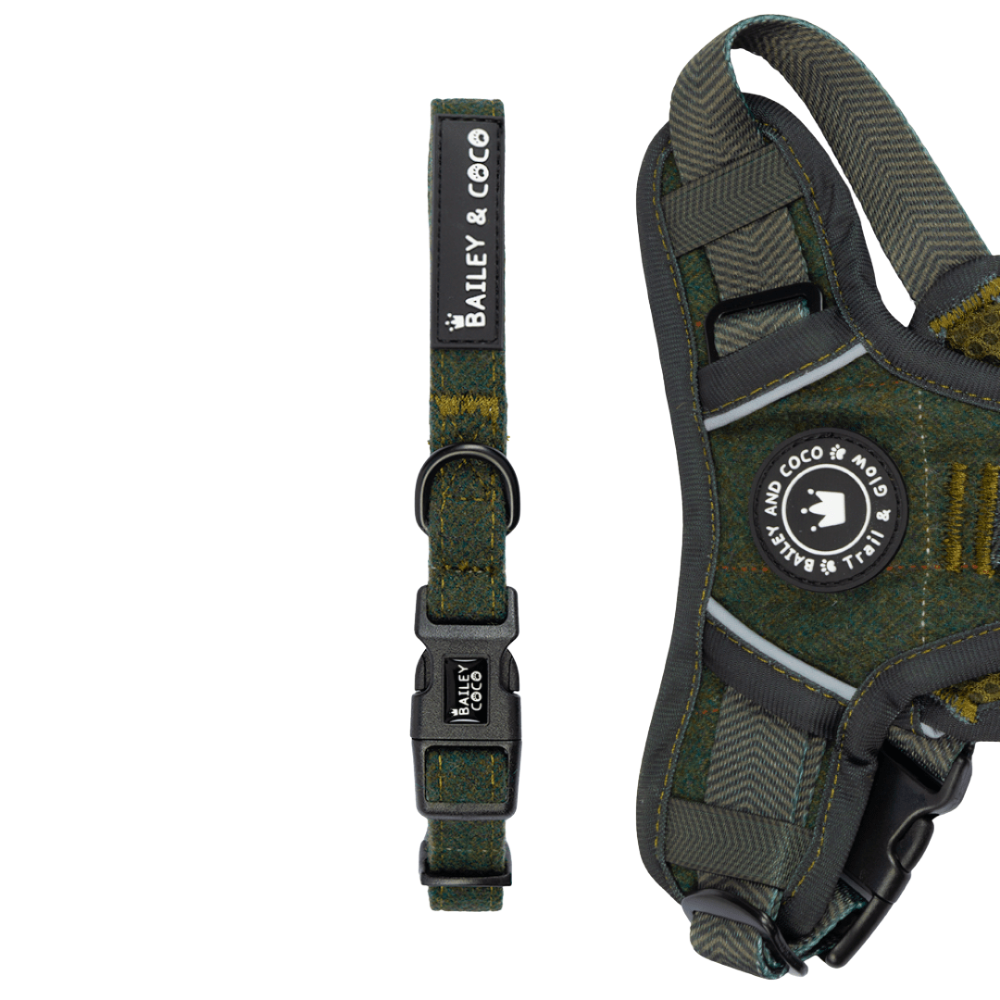
If your harness or collar does not have built-in reflective elements, consider clip-on LED lights or reflective tags. Being visible during dark winter walks is not optional; it is essential for safety.
Paw Protection
Road salt and grit can irritate and crack your dog's paw pads. After every winter walk, rinse or wipe your dog's paws with warm water. Some owners apply a thin layer of paw balm before walks to create a protective barrier. Check between the toes for ice balls, which can form in longer-coated breeds and cause pain.
Top Tip
A reflective harness and waterproof lead make a huge difference on dark, wet winter mornings. Visibility drops fast after 4pm in UK winters.
How Long Should Winter Walks Be?
Walk duration in cold weather should be adjusted based on the temperature, your dog's breed, age, and health. Here is a general framework:
| Temperature | Cold-Hardy Breeds | Average Breeds | Cold-Sensitive Breeds |
|---|---|---|---|
| 5°C to 10°C | Normal walk duration | Normal walk duration | 30 to 45 minutes |
| 0°C to 5°C | Normal walk duration | 30 to 45 minutes | 15 to 25 minutes |
| -5°C to 0°C | 30 to 45 minutes | 15 to 25 minutes | 10 to 15 minutes (or skip) |
| Below -5°C | 15 to 25 minutes | 10 to 15 minutes (or skip) | Toilet breaks only |
Remember, these are guidelines. If conditions are particularly wet or windy, reduce the time further. A brisk 15-minute walk in dry cold is often better tolerated than a 30-minute walk in driving rain at the same temperature.
UK-Specific Winter Considerations
Walking your dog in the UK during winter comes with its own set of challenges that are worth keeping in mind.
Daylight Hours
In December and January, much of the UK sees fewer than eight hours of daylight. This means most dog walks happen in the dark. Reflective gear is not a luxury; it is a necessity. A brightly coloured or reflective harness from our harness collection makes your dog visible to traffic and other walkers during those early morning and late afternoon outings.
Top Tip
Clip a small LED light to your dog's harness or collar during dark winter walks. It costs just a few pounds and makes your dog visible from over 200 metres away.
Road Salt and Grit
Local councils spread salt and grit across roads and pavements from October through to March. While it makes surfaces safer for humans, it can be harmful to dogs. Rock salt (sodium chloride) can irritate paw pads, and if licked, it can cause vomiting, diarrhoea, and in severe cases, salt poisoning. Always wash your dog's paws after walking on gritted surfaces.
Antifreeze
Antifreeze (ethylene glycol) is extremely toxic to dogs and unfortunately has a sweet taste that attracts them. Puddles in car parks, driveways, and near garages may contain antifreeze, particularly during cold snaps. Keep your dog on a lead in areas where spills are likely, and seek emergency veterinary help immediately if you suspect ingestion.
Top Tip
Rinse your dog's paws with warm water after every winter walk, even if the pavement looks clean. Road salt lingers on surfaces long after it has been spread and can irritate pads or cause stomach upset if licked.
Frozen Bodies of Water
Every winter, there are tragic reports of dogs falling through frozen ponds, lakes, and canals in the UK. Never let your dog walk on or near frozen water, no matter how thick the ice appears. Keep them on a lead near any frozen body of water. If your dog does fall through ice, do not go in after them; call 999 immediately.
Do Dogs Need Coats in Winter?
This is one of the most common questions dog owners ask, and the answer depends entirely on your dog. Small breeds, thin-coated breeds, senior dogs, and very young puppies can genuinely benefit from a dog coat during cold weather walks. Larger, thick-coated breeds generally do not need one and may actually overheat.
We have written a full companion article on this topic: Do Dogs Need Coats in the UK? It covers which breeds benefit most, how to choose the right coat, and when a coat is unnecessary.
Regardless of whether your dog wears a coat, a well-fitted harness remains essential. A harness can be worn over a coat and provides much better control and comfort than a collar alone, especially on slippery winter paths.
10 Tips for Safe Winter Dog Walking
- Check the forecast before you head out. Wind chill and rain can make temperatures feel far colder than the number on the thermometer.
- Keep walks shorter in extreme cold. Two short walks are better than one long one if temperatures are low.
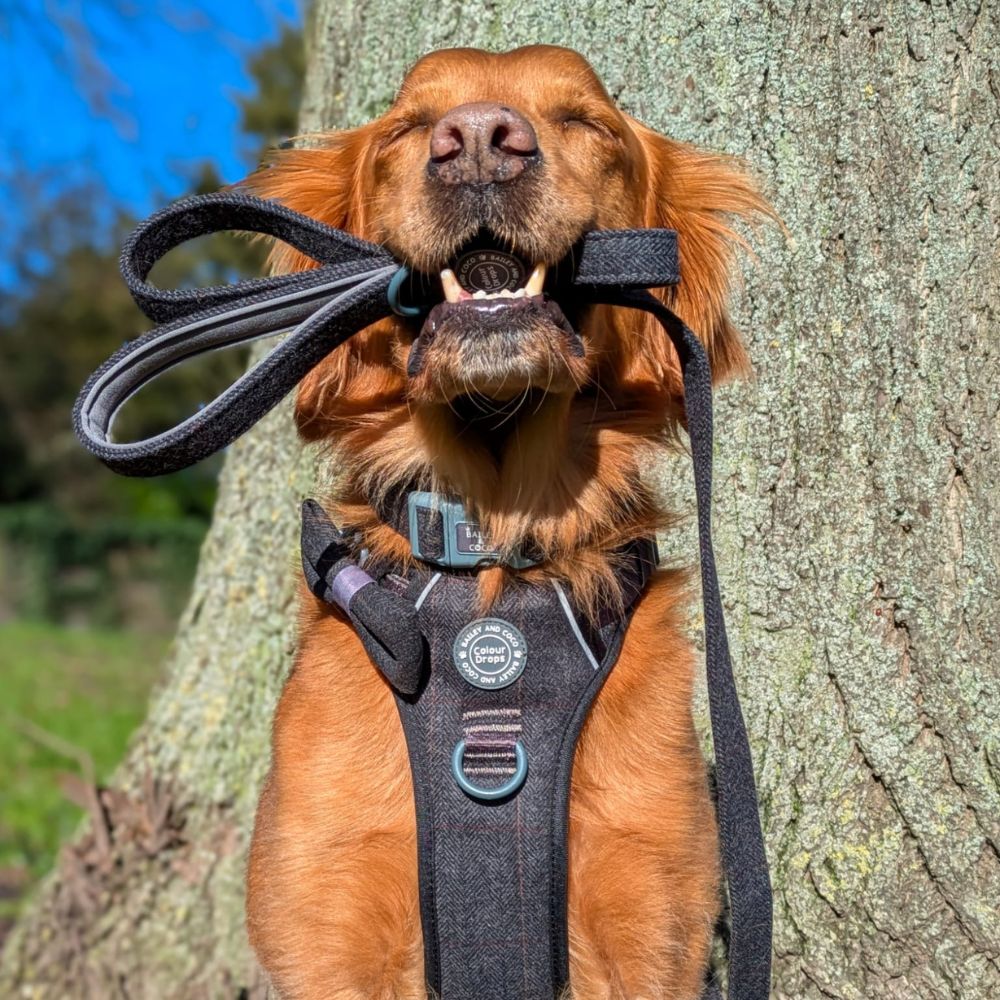
- Use a harness rather than a collar. Harnesses give you better control on slippery surfaces and are more comfortable for your dog. Our harness buying guide can help you pick the right one.
- Stay visible. Reflective gear, LED lights, and bright colours are vital during dark winter walks.
- Avoid icy paths where possible. Stick to gritted or cleared routes to reduce the risk of slips and falls for both you and your dog.
- Wipe paws after every walk. Remove road salt, grit, and any chemicals that could irritate skin or be ingested through licking.
- Dry your dog thoroughly. A wet dog is a cold dog. Towel them off as soon as you get home, paying attention to the belly and between the toes.
- Watch for warning signs. Shivering, reluctance to walk, lifted paws, and whining all mean it is time to head home.
- Keep your dog on a lead near frozen water. No ice is safe ice. A waterproof lead gives you reliable grip even in wet conditions.
- Adjust for age and health. Puppies, seniors, and dogs with health conditions all need shorter walks and more careful monitoring in the cold.
Key Takeaways
- Most UK dogs are comfortable above 5°C; below 0°C requires shorter walks and close monitoring
- Small breeds, thin-coated breeds, puppies, and senior dogs are most vulnerable to cold
- Watch for shivering, reluctance to walk, lifted paws, and tucked tails as warning signs
- A well-fitted harness, waterproof lead, and reflective gear are essential for winter walks
- Adjust walk duration based on temperature, breed, and your dog's individual comfort level


