












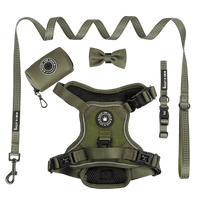

Every dog owner reaches a point where the standard lead starts to feel a bit, well, short. Maybe you are trying to teach your puppy recall in the park. Maybe you want your dog to have a proper run on the beach without going fully off-lead. Maybe you have a rescue dog that is not yet reliable enough for total freedom but clearly needs more space to explore. Whatever the reason, the answer is usually the same: you need a longer lead.
Long dog leads, sometimes called long lines or training leads, are one of the most useful and underrated pieces of kit a dog owner can have. They bridge the gap between a standard walking lead and being off-lead, giving your dog genuine room to roam while you maintain a physical connection and a safety net. For recall training in particular, a long lead is not just helpful; it is essential.
But "long lead" covers a surprisingly wide range of options. From a generous 5ft everyday lead to a 30ft training line, the right length depends entirely on what you are using it for, where you are walking, and how your dog behaves. Get it right, and you have a tool that transforms your walks and accelerates your training. Get it wrong, and you end up tangled in cord, dragging a heavy rope through mud, or giving your dog more freedom than they can handle responsibly.
In this guide, we will walk you through everything you need to know about long leads in the UK. We will cover the different lengths, when to use each one, how to handle them safely, the best activities for long leads, and where you can use them across the UK's parks, beaches, and countryside. If you are looking for a broader overview of lead types, our complete guide to the best dog leads in the UK covers every option from standard to specialist.
What Counts as a Long Dog Lead?
There is no official definition of a "long lead," but in practical terms, anything longer than a standard 4-6ft walking lead qualifies. Here is how the different lengths break down:
Standard leads (4-6ft). These are your everyday walking leads. A 5ft lead is the most popular length in the UK and the one recommended by most trainers for pavement walking, town centres, and general day-to-day use. This is not what most people mean when they say "long lead," but it is worth noting because a good 5ft lead is the foundation of any lead collection.
Extended leads (8-10ft). A step up from standard, these give your dog noticeably more room without being unwieldy. They are good for relaxed park walks where you want your dog to have a bit more freedom to sniff and explore without being right at your side. Not common as off-the-shelf products, but easy to find from specialist suppliers.
Long lines (15-30ft). This is the category most people are thinking of when they search for "long dog leads." Long lines are training tools, primarily used for recall practice, but also excellent for beach walks, open field exercise, and giving dogs with limited recall a taste of freedom. They are typically made from lightweight webbing, biothane, or rope, and attach to a harness rather than a collar for safety at longer distances.
Extra-long lines (30-50ft+). Used almost exclusively for professional training scenarios, these are specialist tools. Unless you are working with a qualified behaviourist or have specific training goals, you are unlikely to need anything this long.
Benefits of Long Dog Leads
A long lead opens up a range of possibilities that a standard lead simply cannot provide.
Recall Training
This is the number one reason people buy long leads, and for good reason. Teaching reliable recall is one of the most important things you will ever do with your dog, and a long line is the safest way to practise it. The lead gives your dog the illusion of freedom while ensuring you can always prevent them from running off, chasing wildlife, or approaching other dogs uninvited. You can practise calling your dog back from 15 or 20 feet away, rewarding them when they return, and gradually building up to off-lead reliability.
Freedom in Restricted Areas
Many beautiful walking spots in the UK require dogs to be on a lead, especially during bird nesting season, near livestock, or in certain nature reserves. A long line lets your dog enjoy these spaces properly rather than being stuck at your heel on a 5ft lead. They can sniff, explore, and move naturally while you comply with local dog lead regulations.
Professional dog walkers sometimes use long leads in enclosed spaces to give dogs more freedom while maintaining a safety line. If you are considering professional dog walking, our guide on how many dogs a dog walker can walk at once in the UK covers the legal, insurance, and practical limits you need to know.
Beach Walks
There is nothing quite like watching your dog bound along a beach. But some beaches require leads during certain months, and some dogs are not reliable enough off-lead near water, other dogs, or picnicking families. A long line on the beach is a beautiful compromise. Your dog gets to run, splash, and explore while you maintain that critical connection.
Building Confidence in Nervous Dogs
Rescue dogs, rehomed dogs, and naturally anxious dogs often benefit enormously from long leads. The extended range allows them to explore at their own pace without feeling constrained, while the physical connection to you provides reassurance and security. Many behaviourists use long lines as a key part of confidence-building programmes for fearful dogs.
Controlled Exercise for Dogs in Recovery
After surgery or injury, dogs often need restricted exercise, enough movement to aid recovery but not so much that they risk re-injury. A long lead allows controlled movement in a larger space than a standard lead permits, which is better for both physical rehabilitation and mental wellbeing. Your vet may specifically recommend long-lead exercise during recovery periods.
Long Lead Lengths Explained: Which Length for Which Activity
Choosing the right length is crucial. Too short and you are not getting the benefit; too long and you lose control and end up in tangles.
| Lead Length | Best For | Environment | Handling Difficulty |
|---|---|---|---|
| 5ft | Pavement walking, town centres, busy areas, heel training | Urban, suburban, crowded parks | Easy |
| 8-10ft | Relaxed park walks, light training, wider pavements | Quiet parks, open suburban areas | Easy to moderate |
| 15ft | Early recall training, quiet park exercise, gentle sniff walks | Open parks, fields, quiet beaches | Moderate |
| 20ft | Intermediate recall training, beach walks, open field exercise | Beaches, large parks, countryside | Moderate to advanced |
| 30ft | Advanced recall training, maximum freedom on lead | Wide open spaces, empty fields, quiet beaches | Advanced |
| 50ft+ | Professional training scenarios, gundog work | Very large open spaces only | Expert |
How to Use a Long Lead Safely
A long lead requires a different handling technique to a standard lead. Used correctly, it is a brilliant training tool. Used carelessly, it can cause rope burns, trips, and tangles. Here is how to handle one properly.
Always Use a Harness, Not a Collar
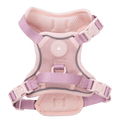
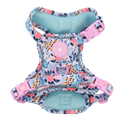
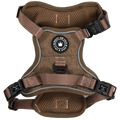
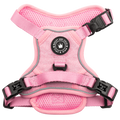
This is the most important safety rule for long leads. When your dog hits the end of a 20ft line at speed, the force is significantly greater than on a 5ft lead. That force needs to be distributed across your dog's chest and shoulders via a harness, not concentrated on their neck via a collar. A back-clip harness is the standard recommendation for long line work.
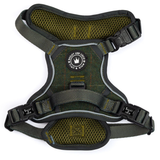
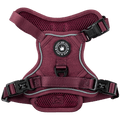
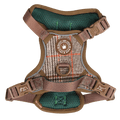
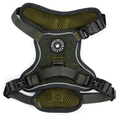
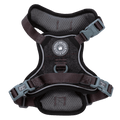
If you do not already have a suitable harness, browse our dog harness range for options with secure back-clip attachment points.
Never Wrap the Lead Around Your Hands or Fingers
It is tempting to wrap excess lead around your hand to keep it tidy. Do not do this. If your dog lunges suddenly, the lead will tighten around your hand instantly, which can cause serious friction burns or worse. Instead, hold the lead in loose loops in one hand, or let excess line trail on the ground.
Let the Lead Trail, Do Not Drag
For recall training, many trainers recommend letting the long line trail on the ground behind your dog rather than holding it taut. This gives your dog the feeling of being off-lead while you can step on the line or pick it up if needed. It also prevents you from accidentally giving tension signals that interfere with training.
Wear Gloves in Wet or Cold Conditions
A wet long line moving through your hands at speed is a recipe for rope burn. Lightweight gardening gloves or purpose-made dog training gloves give you grip and protection without reducing your dexterity. This is especially important with lighter-weight cord or webbing lines.
Be Aware of Your Surroundings
A 20ft lead creates a 20ft radius around your dog where the lead could catch on something or someone. Before letting the line out, scan for other dogs, children, cyclists, trees, posts, and any other potential hazards. If someone is approaching, shorten the lead. If you are near undergrowth, bushes, or fencing, keep the line shorter to prevent tangling.
Start Short, Extend Gradually
When introducing your dog to a long lead, do not go straight to full length. Start at a standard lead length and gradually let out more line as your dog demonstrates good behaviour. This teaches your dog that freedom on the long lead is earned and can be reduced if they make poor choices.

Best Activities for Long Dog Leads
Long leads are not just for recall training, though that is their primary purpose. Here are the activities where a long lead really shines:
Recall training. The core use case. A long line lets you practise recall at realistic distances while maintaining a safety net. Start at 10-15ft and work up to 30ft as your dog improves. The goal is to build reliability that eventually means you can ditch the line entirely.
Sniff walks. Increasingly popular among dog behaviourists, sniff walks (or "decompression walks") prioritise letting your dog follow their nose rather than walking at heel. A long lead in a quiet, open area is perfect for this. Your dog leads, you follow, and they get the mental enrichment that comes from proper, unrushed sniffing.
Beach exercise. A long line on a quiet beach gives your dog the closest thing to an off-lead run while maintaining control. Ideal for dogs that chase seagulls, approach strangers, or are not reliable around water.
Field and countryside walks. The UK countryside offers stunning walking, but livestock, wildlife, and nesting birds often mean leads are required. A long lead lets your dog enjoy the countryside properly rather than being stuck on a short lead the entire time. Always check local regulations and be aware of livestock in nearby fields.
Agility and play. In a secure, open space, a long lead allows your dog to engage in play, fetch, and basic agility exercises while staying connected to you. This is particularly useful for dogs in the early stages of off-lead training who might get distracted and run off during play.
Socialisation practice. For puppies learning about the world, or dogs being gradually exposed to new environments, a long lead provides a security blanket. They can approach new things at their own pace, retreat if scared, and explore with the confidence that comes from being connected to their owner.
Long Leads vs Retractable Leads
This is a question that comes up constantly, and it is worth addressing directly. On the surface, a retractable lead and a long line seem to serve the same purpose: giving your dog more distance. But they work in fundamentally different ways, and the differences matter.
A retractable lead uses a mechanical spool inside a plastic housing to extend and retract a thin cord. The cord is under constant spring tension, and a button-operated brake controls the length. A long line is simply a length of lead material with a clip at one end and sometimes a handle at the other. No moving parts, no mechanics, no batteries.
The practical differences are significant. A retractable lead's thin cord can cause burns and injuries; a long line's wider webbing or rope is safer. A retractable's brake can fail; a long line cannot malfunction because there is nothing to malfunction. A retractable teaches dogs to pull (the lead extends when they strain forward); a long line can be used for training without inadvertently rewarding pulling.
For a detailed breakdown of this comparison, including safety data and UK vet opinions, read our full retractable vs fixed dog lead guide. The short version: for training, safety, and reliability, a long fixed line beats a retractable lead in almost every scenario.
Where You Can Use Long Leads in the UK
The UK offers fantastic variety for dog walking, but lead rules vary by location. Here is a practical overview of where long leads work well and where you need to be careful.
Public Parks
Most public parks in England and Wales allow dogs on leads of any length, unless a specific Public Spaces Protection Order (PSPO) states otherwise. Some PSPOs require dogs to be on a "short lead" (usually defined as 1-2 metres) in certain zones, particularly children's play areas, sports pitches, and formal gardens. In these areas, a long lead would not be appropriate. In the general park space, however, a long line is usually fine. Always check your local council's website for specific dog lead requirements.
Beaches
Many UK beaches have seasonal dog restrictions, typically from May to September. Outside these months, dogs are often allowed off-lead. During restricted periods, some beaches allow dogs on leads, making a long line an excellent option for giving your dog a good run while staying compliant. Some beaches maintain year-round lead requirements; again, check locally.
Countryside and Footpaths
The Countryside Code asks dog owners to keep dogs under "effective control," which does not necessarily mean on a lead, but does mean you need to be able to recall your dog reliably. Near livestock, dogs must be on a lead (and legally, farmers can shoot dogs that are worrying livestock). A long line in the countryside is ideal for areas where off-lead is permitted but your dog's recall is not yet bulletproof.
Nature Reserves and National Parks
Many nature reserves, particularly those managed by the RSPB, National Trust, or local wildlife trusts, require dogs to be on leads during nesting season (typically March to July). A long line allows your dog to enjoy these beautiful spaces while protecting ground-nesting birds and other wildlife. Some reserves have permanent lead requirements regardless of season.
Forestry England and Woodland Trust Sites
Most Forestry England sites allow dogs off-lead in open areas, provided they are under control. In areas with livestock, wildlife sensitivity, or near car parks, leads may be required. Woodland Trust sites generally welcome dogs off-lead but ask for leads near livestock. A long line is a useful tool at both, particularly in transitional zones where off-lead is not appropriate.
Long Lead Training Tips
If you are buying a long lead specifically for training, here are the techniques that UK trainers and behaviourists most commonly recommend.
Start in a low-distraction environment. Your back garden (if you have one), an empty field, or a quiet corner of a park. Do not try long-lead recall training in a busy park full of dogs and squirrels on day one.
Use high-value treats. Recall needs to compete with everything else in your dog's environment. Use treats that your dog absolutely loves, not their everyday kibble. Cooked chicken, cheese, or specialist training treats work well for most dogs.
Call once, then encourage. Say your recall cue once (just once), then use encouraging body language, a happy voice, and your position to draw your dog back to you. Repeating the cue over and over teaches your dog that the first call does not actually mean anything.
Reward generously at first. When your dog comes back on the long line, make it a party. Multiple treats, praise, fuss; make returning to you the best thing that happens on the walk. You can gradually reduce the reward intensity as the behaviour becomes reliable.
Never use the long line to reel your dog in. If your dog does not recall, do not drag them back on the line. Walk calmly towards them, shorten the line as you go, and then guide them back. Reeling a dog in teaches them nothing about recall; it just teaches them that the line controls their movement, which undermines the entire purpose of the training.
Practise in progressively more distracting environments. Once your dog is recalling reliably at home, move to a quiet park. Then a busier park. Then near other dogs. Then near the duck pond. Each new level of distraction should start at a shorter distance before working back up to full length.

How Bailey & Coco Leads Fit In
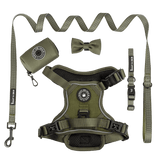
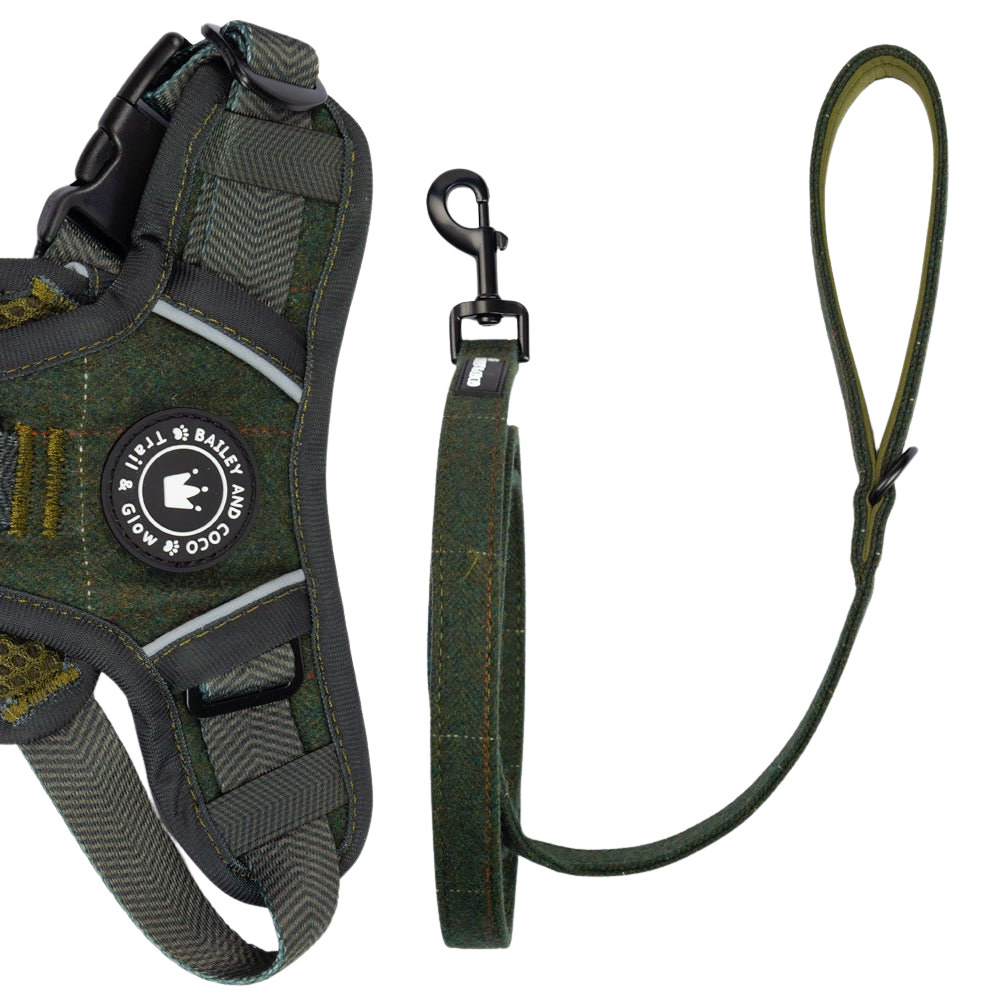
Bailey & Coco's lead range focuses on what most dogs need most of the time: a beautifully crafted, reliable 5ft lead for everyday walking. Our fabric leads, rope leads, and waterproof leads are all designed to be the lead you reach for every single day.
At 5ft, our leads sit in the ideal length for controlled walking on pavements, in town centres, through busy parks, and anywhere you need your dog close. The padded neoprene handle means comfort even on long walks, the D-ring lets you attach poo bag holders or accessories, and the reflective stitching keeps you visible in low light. Our rope leads offer double-braided nylon strength with gold hardware, while the waterproof range handles whatever British weather throws at you.
Think of your lead collection like a toolkit. Your Bailey & Coco 5ft lead is your everyday essential, the lead that handles 90% of your walking. A long line is your specialist tool for training sessions, beach days, and countryside adventures. Most experienced dog owners find that these two leads, a quality 5ft and a training-length long line, cover every situation they will ever encounter.
For dogs that are still learning the ropes, literally, our puppy lead guide covers everything you need to know about choosing a first lead and starting lead training the right way. And if you are curious about other specialist lead types, our guide to slip leads explores another popular option for specific training scenarios.
Long Lead Materials: What to Look For
The material your long lead is made from matters more as the length increases. A material that works beautifully at 5ft can become heavy, absorbent, or unwieldy at 20ft.
| Material | Weight | Water Resistance | Durability | Best For |
|---|---|---|---|---|
| Nylon webbing | Light | Low (absorbs water) | Good | Dry-weather training, budget-friendly |
| Biothane | Light to medium | Excellent (waterproof) | Excellent | All-weather training, easy to clean |
| Rope | Medium to heavy | Moderate | Very good | Stronger dogs, comfortable grip |
| Cotton webbing | Medium | Low (absorbs and holds water) | Moderate | Light training, smaller dogs |
| Leather | Heavy | Moderate (needs conditioning) | Excellent when maintained | Shorter long leads (8-10ft), traditional style |
For long lines of 15ft and above, biothane and lightweight nylon webbing are the most practical choices. They stay light enough to handle comfortably, do not absorb water (or in biothane's case, repel it entirely), and are easy to clean after muddy training sessions. Rope works well for shorter long leads but becomes heavy and difficult to manage at longer lengths.
Choosing the Right Long Lead for Your Dog
When selecting a long lead, consider these factors:
Your dog's size and strength. A Chihuahua and a German Shepherd need very different long lines. For smaller dogs, a lightweight webbing line is sufficient. For larger, stronger dogs, look for wider webbing or rope with a stronger clip. The clip should be rated for well above your dog's weight to account for the forces generated during sudden lunges.
What you are using it for. Recall training in a dry park? Lightweight nylon webbing is fine. Beach walks in winter? You will want biothane or a waterproof material that does not absorb water and become heavy. Everyday longer walks in various conditions? Biothane offers the best all-round versatility.
Your handling experience. If you have never used a long lead before, start with 15ft rather than 30ft. A shorter long line is easier to manage, less likely to tangle, and gives you time to develop the skills needed for longer lengths. You can always upgrade later.
The clip type. A trigger clip (also called a bolt snap) is the most common, but for long leads, look for a swivel trigger clip that rotates to prevent the line from twisting. A good swivel clip also reduces the strain on the connection point if your dog runs in circles, which dogs on long leads tend to do.
Your everyday Bailey & Coco lead handles the vast majority of your walking needs. A dedicated long line complements it perfectly for those training sessions and adventures where extra length is exactly what you need.
Frequently Asked Questions
What is the best length for a long dog lead?
It depends on what you are using it for. For everyday walking where you want a bit more freedom, 8-10ft is a good step up from standard. For recall training, 15-20ft is the most practical range for most owners. For advanced recall work in wide open spaces, 30ft gives maximum range. Start shorter and work up to longer lengths as your handling confidence grows and your dog demonstrates reliable behaviour.
Are long leads safe for dogs?
Long leads are safe when used correctly. The key safety rules are: always attach to a harness (never a collar) to distribute force across the chest rather than the neck; never wrap the lead around your hands or fingers; wear gloves in wet conditions to prevent rope burn; and stay aware of your surroundings to prevent the lead from tangling around people, dogs, or obstacles. Used with care, a long lead is a very safe training and exercise tool.
Can I use a long lead instead of going off-lead?
Yes, and many dog owners do exactly this. A long lead is an excellent permanent alternative for dogs whose recall is not reliable enough for off-lead walking, or for dogs that cannot be off-lead due to prey drive, reactivity, or other behaviour considerations. Many dogs live happy, fulfilled lives with a combination of standard lead walking and long-lead exercise. It is not a compromise; it is responsible ownership.
What is the difference between a long lead and a long line?
The terms are often used interchangeably, but technically a "long line" usually refers to a training-specific lead of 15ft or more, typically made from lightweight webbing or biothane, without a handle loop (to prevent it catching on things when trailing). A "long lead" is a broader term that can include any lead longer than standard, including handled versions. For training purposes, a handle-free long line that can trail safely on the ground is recommended.
Should I attach a long lead to a collar or harness?
Always attach a long lead to a well-fitted harness, not a collar. When your dog reaches the end of a long line at speed, the sudden stop generates significant force. On a collar, this force is concentrated on the dog's neck, which can cause injury to the trachea, neck muscles, and cervical spine. A back-clip harness distributes this force across the chest and shoulders, which is much safer. This is especially important for longer lines where the dog has more distance to build speed.
How do I stop a long lead from tangling?
Tangling is the most common frustration with long leads. To minimise it: hold the lead in loose figure-of-eight loops rather than circular coils (which create twists); use a lead with a swivel clip to prevent twisting at the dog end; let excess lead trail on the ground rather than trying to hold all of it; and avoid using long leads in heavily wooded or bushy areas where the line can snag. Biothane leads tangle less than fabric webbing because they are stiffer and do not fold on themselves.
Where can I use a long dog lead in the UK?
Long leads can be used in most public spaces where dogs are allowed, including parks, beaches (check seasonal restrictions), countryside footpaths, nature reserves, and woodland areas. Some locations require dogs to be on a "short lead" (typically 1-2 metres), so check local signage and your council's Public Spaces Protection Orders. Long leads are particularly useful in areas where off-lead is not permitted but space is available, such as nature reserves during nesting season or parks with lead-only zones.


