














Every dog needs regular walks, but working out exactly how often and how far to go is not always straightforward. A Border Collie has very different exercise needs to a French Bulldog, and a growing puppy should not be walked the same way as a senior dog with creaky joints. Getting the balance right matters. Too little exercise leads to weight gain, behavioural problems, and a bored, restless dog. Too much can cause joint damage, exhaustion, and long-term health issues, particularly in young and older dogs.
This guide gives you a clear, breed-specific breakdown of how often you should walk your dog, how long each walk should last, and what intensity level suits different breeds and life stages. Everything here is written with UK dog owners in mind, from seasonal weather adjustments to practical advice for rainy mornings and long summer evenings. We will also look at how the right walking equipment can make every walk safer and more enjoyable for both of you.
Quick Answer
Most healthy adult dogs need 1 to 2 walks per day totalling 30 minutes to 2 hours, depending on breed. Working breeds need 1.5 to 2+ hours; toy breeds need 20 to 45 minutes. Puppies need shorter, more frequent walks, while seniors benefit from gentle, consistent daily exercise.
What We Cover
- General Guidelines: How Many Walks a Day Does a Dog Need?
- Breed Group Exercise Requirements
- Breed Group Exercise Comparison Table
- Age-Specific Walking Advice
- Health Conditions That Affect Exercise Needs
- Seasonal Adjustments for UK Dog Owners
- Signs Your Dog Is Not Getting Enough Exercise
- Signs Your Dog Is Being Over-Exercised
- How to Build Up Exercise Gradually
- Quality vs Quantity: Making Every Walk Count
- Choosing the Right Equipment for Your Walk Type
- Frequently Asked Questions

General Guidelines: How Many Walks a Day Does a Dog Need?
As a starting point, most healthy adult dogs need at least one to two walks per day, totalling between 30 minutes and two hours of exercise depending on their breed, age, and fitness level. The PDSA recommends that all dogs receive daily exercise, and for the majority of breeds, a single short walk is simply not enough.
Here is a basic framework to work from before diving into breed-specific detail:
- Small breeds (under 10kg): 30 to 60 minutes per day, split across one or two walks
- Medium breeds (10 to 25kg): 60 to 90 minutes per day, split across two walks
- Large breeds (25 to 40kg): 60 to 120 minutes per day, split across two or three walks
- Giant breeds (over 40kg): 45 to 90 minutes per day, split across two shorter walks (to protect joints)
These are general guidelines. A 25kg Springer Spaniel needs far more exercise than a 25kg Bulldog, even though they weigh roughly the same. Breed group matters more than body weight when it comes to exercise requirements.
Breed Group Exercise Requirements
Different breed groups were developed for different purposes, and those origins directly shape their exercise needs today. Understanding your dog's breed group is the best way to judge how much walking they really need.
Working and Herding Breeds
Includes: Border Collie, German Shepherd, Australian Shepherd, Belgian Malinois, Siberian Husky, Rough Collie
These are the marathon runners of the dog world. Bred to work all day, they have enormous stamina, sharp minds, and a deep need for physical and mental stimulation. A bored working dog will find its own entertainment, and that usually means chewing furniture, digging up the garden, or barking at nothing for hours on end.
Recommended exercise: 90 to 120+ minutes per day, split across two or three walks. At least one walk should include off-lead running or active play if possible. Mental enrichment such as training exercises, puzzle toys, and scent work should supplement daily walks.
For these high-energy breeds, a sturdy lead is essential. Our best dog leads UK guide covers the most durable options for strong, active dogs. If your working breed tends to pull, pairing a lead with a well-fitted harness gives you much better control without putting pressure on their neck.
Sporting and Gundog Breeds
Includes: Labrador Retriever, Golden Retriever, Cocker Spaniel, Springer Spaniel, Vizsla, Weimaraner, Irish Setter
Gundogs were bred to retrieve, flush, and work alongside hunters for hours in the field. They are athletic, enthusiastic, and generally love water, mud, and anything that involves running at full speed. These breeds thrive on varied exercise and become noticeably restless without enough physical activity.
Recommended exercise: 60 to 120 minutes per day, split across two walks. Include a mix of lead walking, off-lead running, and retrieving games. Swimming is excellent exercise for gundogs and is particularly kind to their joints.
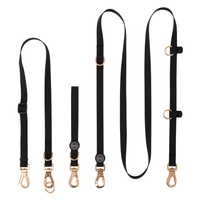
Labradors and Golden Retrievers are among the most popular breeds in the UK, and both are enthusiastic pullers when young. A front-clip harness makes walks far more manageable. Take a look at our guides to the best harness for Labradors and the best harness for Golden Retrievers for specific recommendations. For countryside walks where you want to give your gundog more freedom to explore, a long lead is a safer alternative to going fully off-lead in unfamiliar areas.
Top Tip
Swimming is one of the best exercises for gundogs. It works all major muscle groups without stressing joints. Even 10 minutes of swimming can tire a dog as much as a 30-minute walk.
Terrier Breeds
Includes: Jack Russell Terrier, Staffordshire Bull Terrier, Border Terrier, West Highland White Terrier, Yorkshire Terrier, Cairn Terrier
Do not let their size fool you. Terriers were bred to hunt, dig, and chase, and most have energy levels that rival dogs twice their size. A Jack Russell that does not get enough exercise will let you know about it, usually by dismantling something in your house. Staffies are also surprisingly energetic and benefit from active, varied walks.
Recommended exercise: 60 to 90 minutes per day, split across two walks. Include opportunities for sniffing, exploring, and short bursts of high-intensity play. Terriers love games that engage their prey drive, such as fetch and tug.
Toy and Companion Breeds
Includes: Chihuahua, Cavalier King Charles Spaniel, Maltese, Shih Tzu, Pomeranian, Pug, French Bulldog
Toy breeds need less exercise than larger breeds, but they still need daily walks for their physical and mental wellbeing. Even a Chihuahua benefits from structured exercise outside the house. That said, brachycephalic breeds (flat-faced dogs such as Pugs and French Bulldogs) need extra care in warm weather, as they overheat quickly.
Recommended exercise: 30 to 60 minutes per day, split across one or two shorter walks. Keep the pace gentle. Avoid strenuous exercise in hot weather for brachycephalic breeds. Focus on mental stimulation alongside physical activity.
For small breeds, choosing the right lead makes a noticeable difference. A lightweight fabric lead with a padded handle is ideal for shorter walks around the neighbourhood. Our puppy and small dog lead guide covers the best options for little legs.

Giant Breeds
Includes: Great Dane, Newfoundland, Saint Bernard, Irish Wolfhound, Bernese Mountain Dog, Mastiff
Despite their impressive size, most giant breeds are surprisingly low-energy compared to sporting or working dogs. They tire more quickly, their joints carry significantly more weight, and over-exercise can contribute to serious orthopaedic conditions. The key with giant breeds is steady, moderate exercise rather than intense activity.
Recommended exercise: 45 to 75 minutes per day, split across two shorter, slower walks. Avoid high-impact activities such as jumping, running on hard surfaces, or extended fetch sessions. Gentle, flat-terrain walks are ideal. Always allow plenty of rest between outings.
Breed Group Exercise Comparison Table
Use this table as a quick reference to find the right exercise routine for your dog's breed group. Remember, these are guidelines for healthy adult dogs. Adjust for age, health conditions, and individual temperament.
| Breed Group | Daily Walk Duration | Walks Per Day | Intensity Level | Notes |
|---|---|---|---|---|
| Working / Herding | 90 - 120+ mins | 2 - 3 | High | Needs mental stimulation alongside physical exercise |
| Sporting / Gundog | 60 - 120 mins | 2 | Moderate to High | Loves retrieving, swimming, and varied terrain |
| Terrier | 60 - 90 mins | 2 | Moderate to High | Short bursts of high energy; loves sniffing and exploring |
| Toy / Companion | 30 - 60 mins | 1 - 2 | Low to Moderate | Brachycephalic breeds need extra care in warm weather |
| Giant | 45 - 75 mins | 2 | Low to Moderate | Avoid high-impact exercise; protect joints |
| Hound (Sight) | 60 - 90 mins | 2 | Moderate | Bursts of sprinting followed by rest; keep on lead near prey |
| Hound (Scent) | 60 - 90 mins | 2 | Moderate | Loves scent trails; reliable recall often poor, keep on lead |
Top Tip
The 5-minute rule for puppies is a useful starting point: 5 minutes of exercise per month of age, twice a day. A 4-month-old puppy should have around 20 minutes per walk.
Age-Specific Walking Advice
Your dog's age is just as important as their breed when working out the right amount of exercise. A puppy, an adult dog, and a senior dog all have very different needs, and getting this wrong can cause real harm.
Puppies (Under 12 Months)
Puppies are bundles of energy, but their bones, joints, and growth plates are still developing. Over-exercising a puppy can lead to lasting orthopaedic damage, particularly in larger breeds where growth plates do not fully close until 12 to 18 months of age.
The widely accepted guideline is the five-minute rule: give your puppy five minutes of structured exercise per month of age, up to twice a day. So a four-month-old puppy would get two 20-minute walks per day. This applies to lead walking and structured exercise, not general pottering around the garden or gentle play.
- 8 to 12 weeks: Short garden explorations and socialisation outings (carry them if not fully vaccinated)
- 3 to 6 months: 15 to 30 minutes, twice daily, on soft surfaces where possible
- 6 to 12 months: Gradually build up to 30 to 45 minutes, twice daily
Avoid hard surfaces, stairs, and jumping during the puppy stage. Let them set the pace and stop when they want to stop. If you are introducing your puppy to lead walking for the first time, our guide on how to teach a puppy to walk on a lead is a great place to start.
Adult Dogs (1 to 7 Years)
Adult dogs in good health are at their physical peak and can handle the full exercise requirements for their breed group. This is the stage where consistent, daily walks are most important for maintaining a healthy weight, building muscle, and preventing behavioural problems caused by pent-up energy.
Most adult dogs do best with a structured routine: a morning walk and an evening walk, with the longer or more active session at whichever time suits your schedule. Consistency matters more than the exact timing. Dogs are creatures of habit and will settle into a routine quickly.
Top Tip
If your schedule is unpredictable, aim for consistency in total daily exercise rather than exact walk times. Dogs adapt well to slight timing shifts as long as the overall amount stays consistent.
Senior Dogs (7+ Years, or 5+ for Giant Breeds)
Older dogs still need daily walks, but the intensity and duration should be reduced as they age. Conditions such as arthritis, hip dysplasia, and general stiffness become more common in senior dogs, and pushing them too hard can cause pain and accelerate joint deterioration.
- Shorten walks rather than stopping them entirely. Two gentle 20-minute walks are better than one long trek.
- Stick to flat, even terrain. Avoid steep hills, rough ground, and slippery surfaces.
- Watch for signs of fatigue: slowing down significantly, lagging behind, sitting down mid-walk, or limping.
- Let them sniff. Slower, sniff-heavy walks provide excellent mental stimulation for older dogs without taxing their bodies.
If your senior dog is showing reluctance to walk or signs of discomfort, speak to your vet. Many older dogs benefit enormously from joint supplements, anti-inflammatory medication, and adjusted exercise plans.
Health Conditions That Affect Exercise Needs
Several common health conditions can change how much exercise your dog should be getting. If your dog has any of the following, work with your vet to create a tailored exercise plan.
Arthritis and Joint Problems
Arthritis is extremely common in older dogs and in breeds predisposed to hip or elbow dysplasia. Dogs with arthritis still benefit from gentle, regular exercise to keep joints mobile, but high-impact activities should be avoided. Short, frequent walks on flat ground are ideal. Swimming is an excellent low-impact alternative.
Obesity
An overweight dog needs more exercise, but you cannot double their walk length overnight. Start with short, gentle walks and increase the duration by five minutes per week. Combine increased exercise with portion control for the best results.
Heart Conditions
Dogs with heart disease may become breathless or tire quickly during exercise. Follow your vet's guidance, avoid strenuous activity, and stick to calm, steady walks of moderate length.
Brachycephalic Obstructive Airway Syndrome (BOAS)
Flat-faced breeds such as Pugs, French Bulldogs, and English Bulldogs are prone to breathing difficulties during exercise and warm weather. Never exercise these dogs in the heat of the day during summer. Walk them early morning or late evening, keep sessions short, and always carry water.

Seasonal Adjustments for UK Dog Owners
Living in the UK means dealing with wildly variable weather, and your dog's walking routine should adapt accordingly. A rigid year-round schedule may not serve your dog well if you are not accounting for temperature, daylight, and ground conditions.
Spring (March to May)
Spring is ideal walking weather for most breeds. Temperatures are mild, daylight hours are increasing, and most dogs have plenty of energy after a quieter winter. This is a great time to gradually increase walk duration if you have scaled back over the colder months. Be mindful of allergens; some dogs suffer from seasonal allergies that can cause itchy skin and watery eyes.
Summer (June to August)
Heat is the primary concern during British summers. Even on days that feel moderate to us, dogs can overheat quickly, especially brachycephalic breeds, heavy-coated breeds, and older dogs.
- Walk early or late. Before 8am and after 7pm are the safest times on warm days.
- Test the pavement. Place the back of your hand on the tarmac for five seconds. If it is too hot for your hand, it is too hot for your dog's paws.
- Carry water. Always bring a collapsible bowl and fresh water on summer walks.
- Shorten walks on hot days. A 20-minute morning walk is better than a 60-minute midday march in 28-degree heat.
Autumn (September to November)
Autumn brings cooler temperatures and is generally comfortable for walking. However, reduced daylight means you may be walking in the dark more often. Invest in reflective or high-visibility gear for both you and your dog. Our leads feature reflective stitching as standard, which provides added visibility during early morning and evening walks. Watch out for conkers, acorns, and fallen fruit, as these can be toxic to dogs if ingested.
Winter (December to February)
Cold, wet, and dark. British winters demand some flexibility. Short-coated and small breeds may need a coat for walks below 5 degrees Celsius. Icy pavements present a slip risk, so stick to gritted paths where possible. Reduce walk duration on the coldest days, but try to maintain at least two short outings to keep your dog active and prevent cabin fever.
A fixed-length lead is safer than a retractable lead in winter conditions, as it gives you better control on slippery surfaces and in low visibility. Our waterproof leads are particularly practical during the wetter months, as they will not absorb moisture or develop that damp, musty smell that standard fabric leads can pick up.
Top Tip
In summer, walk early morning or after 7pm to avoid hot pavements. Press the back of your hand to the ground for 7 seconds. If it is too hot for your hand, it is too hot for your dog's paws.
Signs Your Dog Is Not Getting Enough Exercise
Dogs cannot tell you they are bored or under-exercised, but their behaviour will. If your dog is showing any of the following signs consistently, they may need more or longer walks.
- Destructive behaviour: chewing furniture, shoes, or household items
- Excessive barking or whining for no apparent reason
- Weight gain despite no change in diet
- Hyperactivity indoors: zooming around the house, unable to settle
- Attention-seeking behaviour: pawing, nudging, following you everywhere
- Digging in the garden or attempting to escape
- Restlessness at night: pacing, inability to sleep through the night
If your dog is displaying several of these behaviours, start by adding an extra 15 to 20 minutes to their daily walks and see if the behaviour improves over a week or two. For working and sporting breeds in particular, adding mental enrichment alongside longer walks often makes the biggest difference.
Signs Your Dog Is Being Over-Exercised
Over-exercise is less commonly discussed but equally important, particularly for puppies, senior dogs, and brachycephalic breeds. Watch for these warning signs.
- Excessive panting that takes a long time to subside after returning home
- Limping or stiffness after walks, particularly the following morning
- Reluctance to walk: stopping, sitting down, or refusing to leave the house
- Sleeping excessively after walks, beyond normal rest
- Worn or cracked paw pads
- Muscle tremors or weakness in the legs
- Behavioural changes: becoming withdrawn, snappy, or unusually subdued
If you notice any of these signs, scale back immediately. Reduce walk duration by 25 to 50 percent and monitor your dog's response. If symptoms persist, consult your vet to rule out underlying health issues.
Important
Over-exercising puppies can cause lasting joint damage. Large breed puppies such as Labradors, Golden Retrievers, and German Shepherds are particularly vulnerable. Stick to the 5-minute rule and avoid repetitive high-impact activities until they are fully grown.
How to Build Up Exercise Gradually
Whether you have a new puppy, an adult dog that has been sedentary, or a dog recovering from illness or surgery, building up exercise gradually is essential. Jumping straight into long, intense walks can cause injury, soreness, and reluctance to walk in future.
A Four-Week Build-Up Plan
- Week 1: Two 10 to 15-minute walks per day at a gentle pace on flat terrain
- Week 2: Two 20 to 25-minute walks per day, introducing slight inclines and varied surfaces
- Week 3: Two 25 to 35-minute walks per day, adding short periods of faster walking
- Week 4: Two 30 to 45-minute walks per day at the target pace for your dog's breed group
After week four, continue increasing gradually if needed. Always watch for signs of fatigue and let your dog rest when they need to.
Quality vs Quantity: Making Every Walk Count
A 30-minute walk where your dog gets to sniff, explore, and change pace is worth more than an hour-long march along the same pavement route every day. Dogs experience the world primarily through their nose, and allowing sniff time is a form of mental exercise that is just as important as physical activity.
Tips for Higher-Quality Walks
- Vary your routes. New smells, sights, and surfaces keep walks interesting and mentally stimulating.
- Allow sniff time. Resist the urge to keep moving constantly. Let your dog investigate scent marks, patches of grass, and interesting corners.
- Mix on-lead and off-lead time where safe and legal to do so. On-lead sections build focus and discipline; off-lead time allows natural movement and socialisation.
- Incorporate training. Practise recall, sit-stays at road crossings, and loose-lead walking. Training during walks stimulates your dog's brain and strengthens your bond.
- Change the terrain. Grass, woodland paths, sand, and gravel all work different muscle groups and provide different sensory experiences.
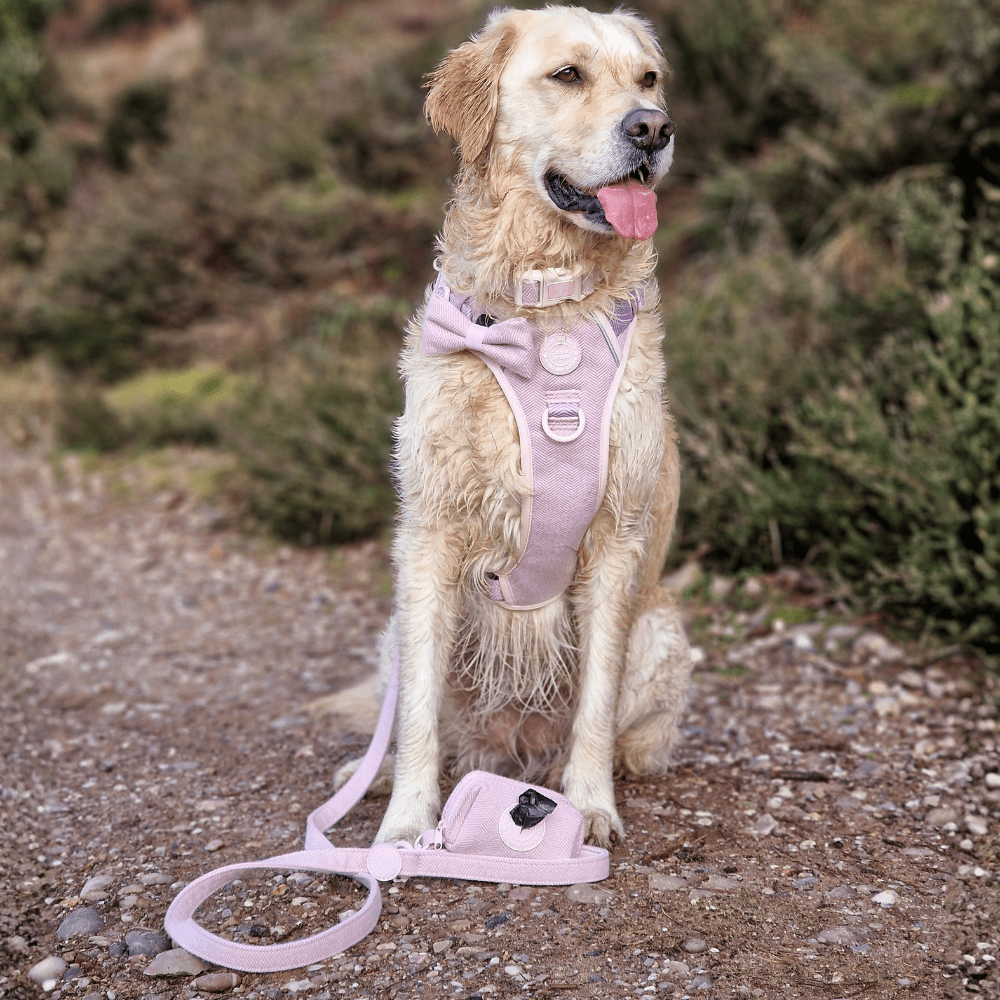
Choosing the Right Equipment for Your Walk Type
The right equipment makes every walk more comfortable and safer, for both you and your dog. Different walk types call for different gear, and choosing the right lead and harness combination can transform the experience.
Short Urban Walks
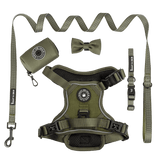
For pavement walks and quick trips to the park, a standard 5ft lead gives you the perfect balance of control and comfort. Our fabric leads are lightweight, available in a range of colours and patterns, and feature a padded neoprene handle that stays comfortable throughout. At £15 to £18, they are excellent value for everyday use.
Long Countryside Walks
For countryside rambles, a long lead offers extra length for sniffing and exploring while keeping your dog safely connected to you. For dogs that pull when they spot a rabbit, pairing a long lead with a front-clip harness gives you control without constant tension on your arms.
Wet Weather Walks
Our waterproof leads are designed for exactly this: weather-resistant material that repels rain and mud, lockable swivel clips that will not seize in the cold, and a design that wipes clean in seconds. At £24, they are a practical investment for British winters.
Active Walks with Pulling Breeds
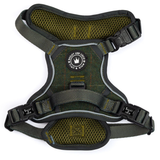
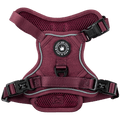
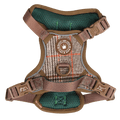
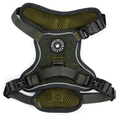
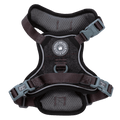
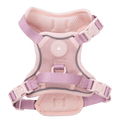
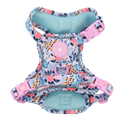
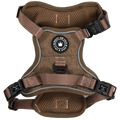
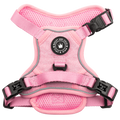
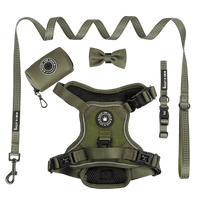
If you have a strong, enthusiastic puller, the right harness is not a luxury; it is a necessity. A well-fitted harness distributes force across your dog's chest rather than concentrating it on their neck, making walks more comfortable for your dog and far easier for you. Our harness buying guide covers everything you need to know about choosing the right style and fit for your breed.
Browse our full range of dog harnesses to find the right fit for your breed, from XS for small dogs to XL for larger working breeds.

Puppy Walks
Puppies need gentle introductions to the lead and to the outside world. Start with short, positive sessions using a lightweight lead and a properly fitted harness. Our first lead guide walks you through the process step by step, from choosing the right size to building your puppy's confidence on the lead.
Key Takeaways
- Most adult dogs need 1 to 2 walks per day; working breeds need 1.5 to 2+ hours total
- Follow the 5-minute rule for puppies: 5 minutes per month of age, twice daily
- Senior dogs benefit from shorter, gentler walks rather than skipping exercise altogether
- Adjust walk timing and duration seasonally; avoid hot pavements in summer and icy paths in winter
- Quality matters more than quantity; a 30-minute walk with sniffing and mental stimulation beats an hour of pavement pounding
Frequently Asked Questions
How many times a day should I walk my dog?
Most adult dogs benefit from two walks per day. High-energy breeds such as Border Collies, Springer Spaniels, and German Shepherds may need three. Toy breeds and senior dogs can manage well with one to two shorter walks. The total daily exercise time matters more than the number of individual walks.
Is one walk a day enough for a dog?
For some low-energy breeds and senior dogs, one moderate walk per day may be sufficient, provided it is long enough and supplemented with mental stimulation at home. However, most healthy adult dogs do better with two separate walks. Splitting exercise into two sessions helps maintain energy levels and prevents boredom throughout the day.
How long should I walk my puppy?
Follow the five-minute rule: five minutes of structured walking per month of age, up to twice daily. A three-month-old puppy should walk for roughly 15 minutes per session. This protects their developing bones and joints. Gradually increase walk duration as they grow, and always let your puppy set the pace.
Can I over-exercise my dog?
Yes. Over-exercise can cause joint damage in puppies, exhaustion and heatstroke in brachycephalic breeds, and pain and stiffness in senior dogs with arthritis. Watch for signs such as excessive panting, limping, reluctance to walk, and sleeping far more than usual after exercise. If in doubt, reduce the duration and consult your vet.
What is the best time of day to walk a dog in the UK?
In spring and autumn, any time of day works well. In summer, walk before 8am or after 7pm to avoid the hottest part of the day and hot pavements. In winter, try to walk during daylight hours for safety and visibility. Whatever the season, consistency in timing helps your dog settle into a comfortable routine.
How do I know if my dog needs more exercise?
Common signs include destructive behaviour, excessive barking, weight gain, hyperactivity indoors, and restlessness at night. If your dog is consistently showing these behaviours, try adding 15 to 20 minutes to their daily exercise and see if the behaviour improves. For working and sporting breeds, adding mental enrichment alongside longer walks often resolves the issue more effectively than extra walking alone.
Should I walk my dog in the rain?
Absolutely. Most dogs are perfectly fine in the rain, and skipping walks due to drizzle can lead to under-exercise over the British winter months. Use a waterproof lead and consider a dog coat for short-coated or small breeds. Keep walks a little shorter in heavy rain or strong wind, but do try to get out every day. Your dog will thank you for it.


