












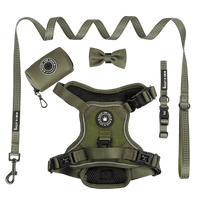

Labradors are one of the most popular dog breeds in the UK, and for good reason. They are loyal, loving, endlessly enthusiastic, and always ready for an adventure. But anyone who has walked a Labrador knows the truth: these powerful, energetic dogs can turn a simple stroll into a full-body workout. Whether your Lab is lunging towards a squirrel, pulling you towards the nearest pond, or greeting every person and dog within a 100-metre radius, having the right lead is not just a convenience; it is a necessity.
Choosing the best dog lead for a Labrador means understanding their unique traits. Labs are strong, muscular dogs that were originally bred to retrieve game from water. That heritage means they are naturally enthusiastic pullers, they adore water, and they have energy to spare. The wrong lead can make walks stressful, uncomfortable, and even unsafe. The right lead transforms your daily walk into something you both enjoy.
In this guide, we will walk you through everything you need to know about choosing the best lead for your Labrador. From lead types and materials to length, durability, and waterproofing, we have covered every detail so you can make a confident choice. Plus, we will share our top recommendations from the Bailey & Coco lead collection, designed with exactly these challenges in mind.
Why Labradors Need the Right Lead
Labradors are not small, delicate dogs. A fully grown male Lab can weigh between 29 and 36 kg, and they carry that weight with athletic, muscular power. When a Labrador decides to pull, you feel it. This is a breed that was built to work all day in the field, swimming through cold water and bounding through undergrowth to retrieve game. That working drive does not disappear on a walk through the park.
Beyond their physical strength, Labradors are famously sociable and curious. They want to investigate every scent, greet every dog, and say hello to every person they pass. This combination of strength and enthusiasm means a flimsy lead simply will not do. You need something robust, comfortable, and secure enough to handle their exuberance without making your walk a battle of wills.
There is also the water factor. Labradors are drawn to water like magnets. Whether it is a river, a puddle, or a muddy ditch, your Lab will find it and dive in. This means your lead needs to withstand regular soaking, mud, and general outdoor messiness without falling apart, developing odours, or losing its structural integrity.
Labradors are a high-energy sporting breed that need plenty of daily exercise to stay happy and healthy. For a breed-specific breakdown of how much walking your Lab actually needs, see our guide on how often you should walk your dog.
Common Labrador Walking Challenges
Understanding the specific challenges of walking a Labrador helps you choose a lead that addresses them head-on. Here are the most common issues Lab owners face:
Pulling
Pulling is the number one challenge for Labrador owners. Labs are powerful dogs with a natural forward drive. Without proper training and the right equipment, walks can feel like a tug-of-war. A good lead helps you maintain control without causing discomfort to your dog. Pairing your lead with a well-fitted harness designed for Labradors can make a significant difference.
Excitability and Reactivity
Labs are social butterflies. They get excited when they see other dogs, people, children, birds, and sometimes just leaves blowing in the wind. This excitement can translate to sudden lunges and changes in direction. Your lead needs to be strong enough to handle sudden bursts of force without the clip failing or the material giving way.
Water and Mud Exposure
A Labrador walk rarely stays clean and dry. Your lead will get wet, muddy, and generally battered by the elements. Leads made from absorbent materials can become heavy, smelly, and difficult to clean. Waterproof or water-resistant materials are a practical choice for any Lab owner who does not want to replace their lead every few months.
Chewing and Mouthing
Younger Labradors, in particular, can be mouthy. They may grab the lead during walks, chew on it when bored, or play tug with it. A lead made from durable, chew-resistant materials will last much longer than a thin or fabric-only option.
Best Lead Features for Labradors
When shopping for a Labrador lead, there are several key features to look for. Getting these right means your lead will last longer, feel better in your hand, and give you the control you need.
Durability
This is non-negotiable. A Labrador lead must be built to handle a strong, active dog. Look for reinforced stitching, high-quality hardware, and materials that will not fray, stretch, or snap under pressure. Double-stitched seams and robust metal D-rings are markers of a lead that has been designed to last.
Padded Handle
If your Labrador pulls, and most do at least some of the time, a padded handle is your hands' best friend. Neoprene padding absorbs the friction and pressure that would otherwise leave you with sore, red palms. This is especially important on longer walks or when your Lab spots something exciting and gives a sudden tug.
Secure Clip
The clip is the single most important safety feature on any lead. For a strong dog like a Labrador, a standard trigger clip may not be enough. Look for lockable clips or heavy-duty swivel clips that cannot accidentally open under tension. A lockable clip gives you peace of mind that your dog stays connected to you, no matter how hard they pull.
Waterproof or Water-Resistant Material
Given a Labrador's love of water, a waterproof lead is a wise investment. Waterproof leads do not absorb water, dry quickly, resist odours, and are easy to wipe clean after a muddy walk. They maintain their strength and appearance even after repeated exposure to the elements.
Reflective Stitching
If you walk your Labrador in the early morning or evening, especially during the darker months, reflective stitching on the lead adds an important layer of visibility. It helps drivers, cyclists, and other pedestrians spot you and your dog from a distance, keeping you both safer. Understanding UK dog lead laws is also important for knowing when leads are legally required.
Lead Types Ranked for Labradors
Not all leads are created equal, and some types suit Labradors far better than others. Here is how the main lead types compare for this breed:
| Lead Type | Labrador Suitability | Best For | Watch Out For |
|---|---|---|---|
| Waterproof Lead | Excellent | Water-loving Labs, all-weather walks | Can feel stiffer than fabric |
| Rope Lead | Excellent | Strong pullers, training, secure outings | Heavier than fabric leads |
| Fabric Lead | Good | Everyday walks, casual outings | May absorb water and mud |
| Double-Ended Lead | Good | Training, multi-point harness use | More complex to use initially |
| Retractable Lead | Poor | Not recommended for Labs | Thin cord, weak braking, less control |
As you can see, waterproof leads and rope leads come out on top for Labradors. Both offer the strength, durability, and security that this breed demands. Double-ended leads are also a solid option for training-focused owners.

Waterproof Leads: The Ideal Choice for Labradors
If we had to recommend just one lead type for a Labrador, it would be a waterproof lead. Here is why:
Labradors and water are inseparable. Whether you are walking along a riverbank, through a dewy field, or just dealing with British rain (which is most days, let us be honest), your lead is going to get wet. A standard fabric lead absorbs that moisture, becomes heavy, takes hours to dry, and can start to smell after a while. A waterproof lead shrugs off all of that.
The Bailey & Coco Waterproof Dog Leads are built with Labrador-strength dogs in mind. They feature weather-resistant material that does not absorb water, lockable swivel clips that provide serious security for strong dogs, and a padded handle for comfortable walking even when your Lab is at peak enthusiasm. At just £24, they are a smart investment that will outlast several cheaper alternatives.
After a muddy walk, cleaning is as simple as running the lead under a tap or wiping it down. No soaking, no special treatment, no lingering odours. For a breed that treats every walk like an obstacle course through mud and water, that ease of maintenance is invaluable.

Rope Leads for Strong Labradors
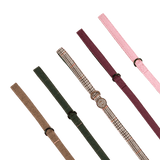
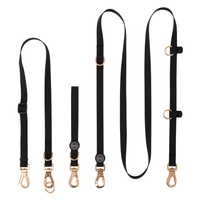
For Labradors that are particularly strong pullers, rope leads offer an excellent alternative. The Bailey & Coco Rope Dog Leads are made from double-braided nylon, which gives them exceptional strength and durability. They feature gold hardware that looks smart and performs reliably, and, crucially, a lockable clip.
The lockable clip is a standout feature for Labrador owners. Standard trigger clips can occasionally open under sudden, forceful tension, which is exactly what happens when a 35 kg Lab lunges. A lockable clip physically prevents the clip from opening until you manually release it, giving you confidence that your dog is secure at all times.
Priced between £19 and £26, rope leads sit in the mid-range but deliver premium performance. They are particularly popular with owners who walk in busier areas where security is paramount, or with owners of younger, more boisterous Labradors who are still learning lead manners.
Lead Length for Labradors: Why 5ft Is Ideal
Lead length is one of those details that makes a bigger difference than you might expect. Too short and your dog feels restricted, which can actually increase pulling and frustration. Too long and you lose control, especially with a strong dog like a Labrador.
Five feet is widely considered the ideal lead length for Labradors, and it is the standard length across the Bailey & Coco lead range. Here is why it works so well:
- Enough freedom for comfortable walking - Your Lab can walk slightly ahead or to the side without feeling restrained, which promotes a more relaxed walking posture.
- Close enough for control - Five feet keeps your dog within arm's reach, giving you the ability to redirect them quickly if needed.
- Ideal for training - Professional dog trainers almost universally recommend a 5ft lead for loose-lead training, which is one of the most important skills for any Labrador to learn.
- Pavement and road safe - A 5ft lead keeps your dog close enough to walk safely on pavements and cross roads without wandering into traffic.
Some owners consider longer leads for field walks or recall training, and there are valid uses for these. However, for daily walks with a Labrador, 5ft remains the gold standard for balancing freedom with control.

Lead and Material Comparison for Labradors
To help you compare the key features of each lead type for Labradors, here is a detailed breakdown:
| Feature | Fabric Lead (£15-£18) | Rope Lead (£19-£26) | Waterproof Lead (£24) |
|---|---|---|---|
| Length | 5ft | 5ft | 5ft |
| Padded Handle | Yes (neoprene) | Yes | Yes |
| Lockable Clip | No (D-ring) | Yes | Yes (swivel) |
| Waterproof | No | Water-resistant | Fully waterproof |
| Reflective Stitching | Yes | No | Yes |
| Strength Rating | Good | Excellent | Excellent |
| Best For Labs Who | Walk calmly, dry conditions | Pull hard, need max security | Love water, all-weather walks |
Training Tips for Labrador Pulling
Even the best lead in the world will not solve pulling on its own. Labradors are intelligent dogs that respond well to consistent training, and combining the right lead with the right technique will give you the best results.
Start with the Stop-and-Wait Method
When your Labrador pulls, simply stop walking. Stand still, do not pull back, and wait. The moment the lead goes slack, praise your dog and continue walking. This teaches your Lab that pulling gets them nowhere, while a loose lead means the walk continues. Consistency is crucial. Every member of the household needs to follow the same approach.
Reward the Position You Want
Keep treats in your pocket and reward your Labrador for walking beside you with a loose lead. Labs are famously food-motivated, so this technique tends to work brilliantly with the breed. Over time, your dog learns that staying close to you is more rewarding than charging ahead.
Use a Harness for Extra Control
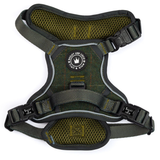
Pairing your lead with a no-pull harness can dramatically reduce pulling while you work on training. A front-clip harness redirects your dog's momentum to the side when they pull, naturally discouraging the behaviour. The best harnesses for Labradors are designed to handle their strength and chest shape comfortably.
Avoid Retractable Leads During Training
Retractable leads teach dogs the opposite of what you want. They reward pulling by extending the lead, giving the dog more freedom when they push forward. For a Labrador in training, stick to a fixed-length 5ft lead that sets clear, consistent boundaries.
Be Patient and Consistent
Labradors are eager to please, but they are also exuberant. It may take weeks or even months of consistent training to achieve reliably loose-lead walking. Stay calm, be patient, and celebrate the small victories along the way.
Pairing Your Lead with a Harness for Labradors
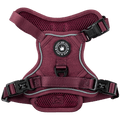
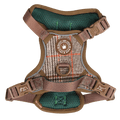
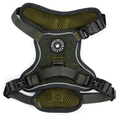
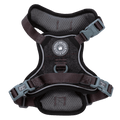
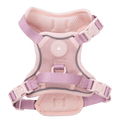
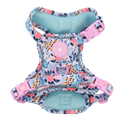
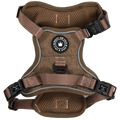
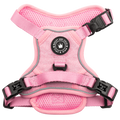
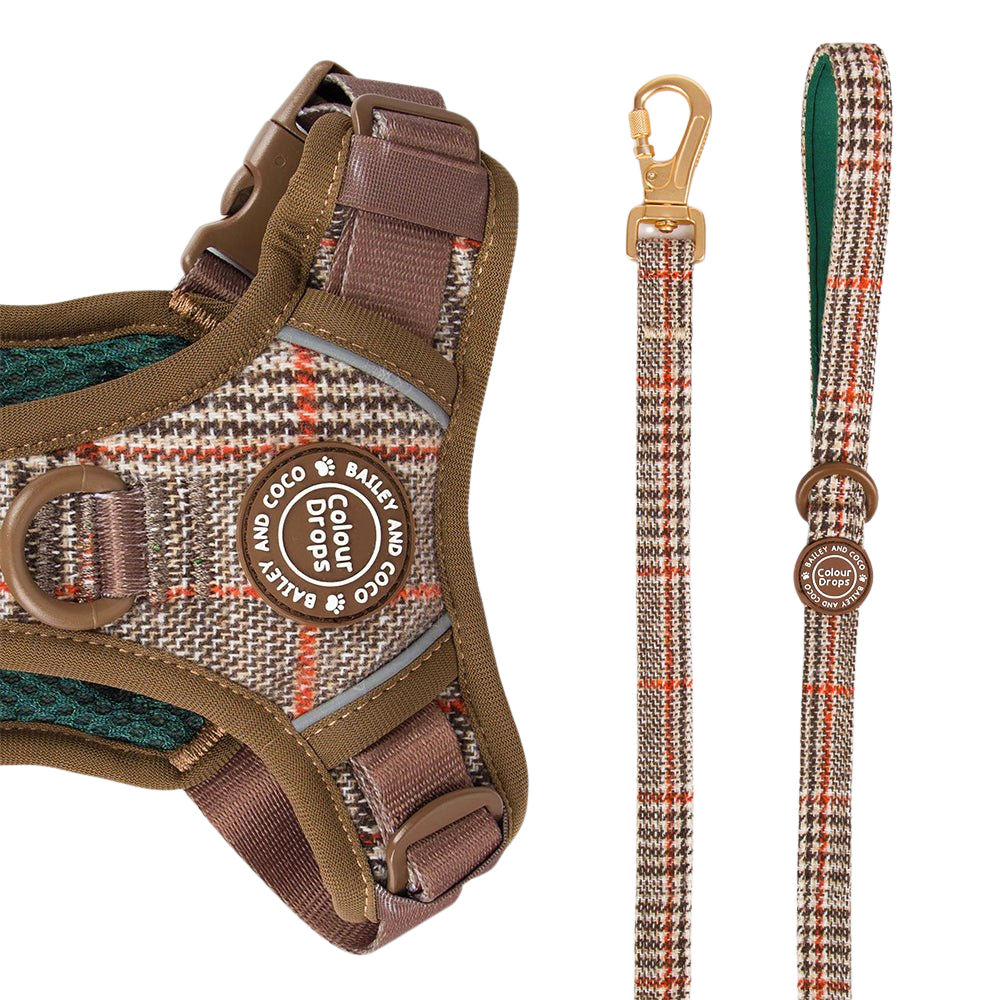
For many Labrador owners, the ideal setup is a lead and harness combination rather than attaching to a collar. You can see the range in our Labrador harness collection. There are several good reasons for this:
- Reduced neck strain - Labradors that pull on a collar put significant pressure on their throat and neck. A harness distributes that force across the chest and shoulders, which is safer and more comfortable.
- Better control - A harness gives you more control over your dog's body, not just their head. This is especially valuable with a strong breed like a Labrador.
- Front-clip options for pulling - Front-clip harnesses redirect pulling momentum, making them an excellent training aid for Labs that have not yet mastered loose-lead walking.
- Comfort for the dog - Well-fitted harnesses are generally more comfortable for active dogs, especially on longer walks.
If you are looking for the right harness to pair with your lead, our guide to the best harness for Labradors in the UK covers everything you need to know, including sizing, fitting, and our top recommendations.
You can also browse our full harness range for Labradors to see all available sizes and patterns.
Our Top Lead Picks for Labradors
Based on everything we have covered, here are our top lead recommendations for Labrador owners:
Best Overall: Bailey & Coco Waterproof Dog Lead (£24)
The all-round winner for Labradors. Weather-resistant material handles mud and water effortlessly, lockable swivel clips provide serious security, and the padded handle keeps your hands comfortable on every walk. Easy to clean, built to last, and ready for whatever your Lab throws at it.
Best for Strong Pullers: Bailey & Coco Rope Dog Lead (£19-£26)
Double-braided nylon construction makes this the strongest lead in the range. The lockable clip is a must-have for powerful Labs, and the gold hardware adds a touch of style. Available in multiple colours and lengths to suit your preference.
Best Budget Option: Bailey & Coco Fabric Dog Lead (£15-£18)
If your Labrador is well-trained and you typically walk in dry conditions, the fabric lead offers excellent value. The padded neoprene handle, reflective stitching, and D-ring provide everything you need for comfortable, safe walking at a great price point.
Best Set: Bailey & Coco Lead & Collar Set (£37)
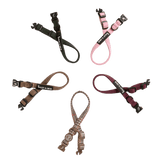
For a coordinated look and great value, the matching waterproof lead and collar set gives you both essentials in one purchase. The waterproof construction means both the lead and collar can handle a Lab's adventurous lifestyle.
Frequently Asked Questions
What is the best type of lead for a Labrador?
A waterproof lead is the best overall choice for Labradors. It handles their love of water and mud, offers excellent durability, and is easy to clean. For particularly strong pullers, a rope lead with a lockable clip provides maximum security. Both options are available in the Bailey & Coco lead collection starting from £19.
How long should a dog lead be for a Labrador?
A 5ft lead is the ideal length for a Labrador. It provides enough freedom for comfortable walking while keeping your dog close enough for good control. This length is recommended by professional dog trainers for everyday walks and loose-lead training. It also keeps your Lab safely close on pavements and near roads.
Should I use a harness or collar with a lead for my Labrador?
A harness is generally the better choice for Labradors, especially those that pull. Harnesses distribute force across the chest rather than concentrating it on the neck, which is safer and more comfortable. A front-clip harness can also help reduce pulling. Check our guide to the best harness for Labradors for detailed recommendations.
Are retractable leads suitable for Labradors?
Retractable leads are not recommended for Labradors. The thin cord or tape can snap under the force of a strong Lab pulling suddenly, and the retractable mechanism rewards pulling by extending the lead. For a powerful breed like a Labrador, a fixed-length 5ft lead with a lockable clip is a far safer and more effective choice.
How do I stop my Labrador pulling on the lead?
The most effective method is the stop-and-wait technique. When your Lab pulls, stop walking and wait for the lead to go slack. Then praise and continue. Combine this with treating your dog for walking beside you on a loose lead. Labradors are food-motivated, so positive reinforcement works well. Using a no-pull harness alongside a fixed-length lead can also help significantly.
What makes a waterproof dog lead better for Labradors?
Labradors are naturally drawn to water, mud, and wet conditions. A waterproof lead does not absorb moisture, so it stays light, clean, and odour-free regardless of weather or terrain. It also dries almost instantly and can be wiped clean in seconds. For a breed that regularly gets soaked on walks, this makes daily life much easier and more hygienic.
Can I use a fabric lead for my Labrador?
Yes, fabric leads can work well for Labradors that are well-trained and mainly walk in dry conditions. The Bailey & Coco fabric leads feature padded neoprene handles, reflective stitching, and a sturdy D-ring at an affordable £15 to £18 price point. However, if your Lab loves water or you walk in wet conditions regularly, a waterproof or rope lead is the better long-term choice.
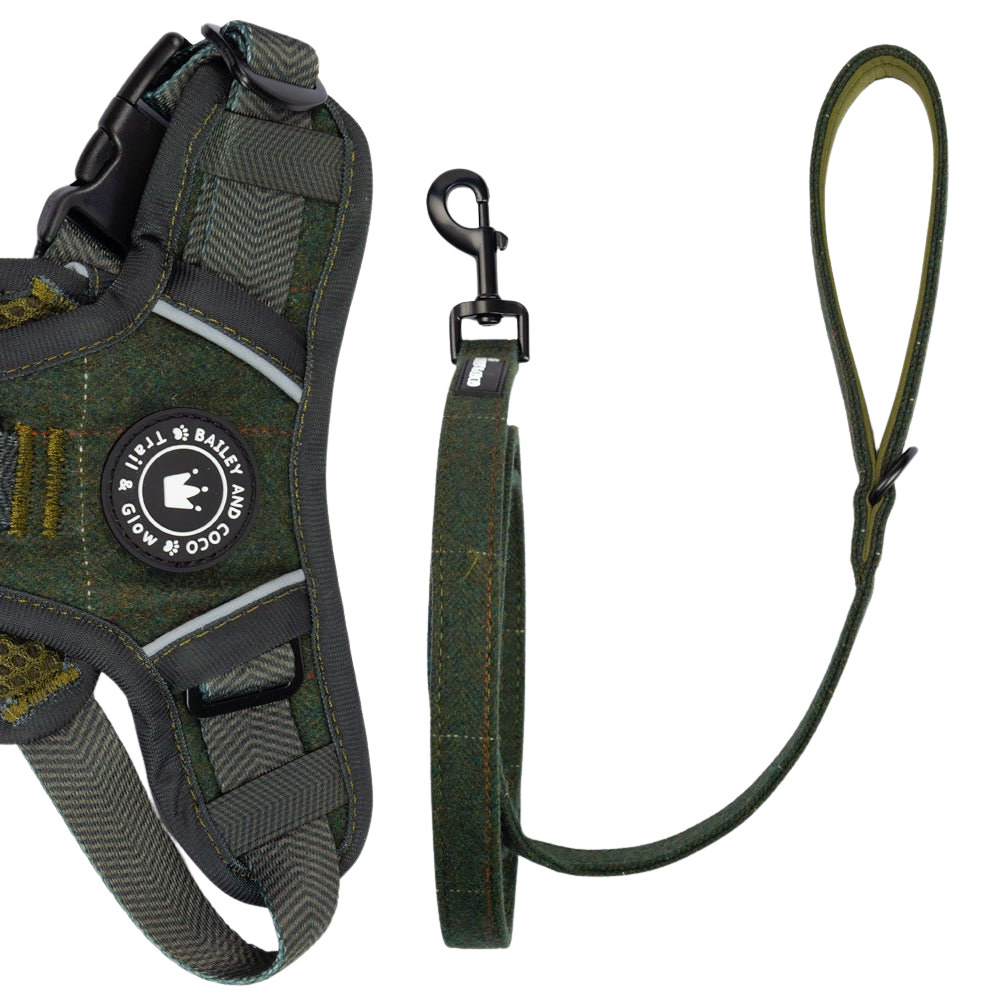
Explore our best dog leads UK guide for a full comparison of every lead type, material and length. You can also find the right collar for your Lab in our best dog collars guide, and see breed-specific harness sizing in our harness buying guide.


