




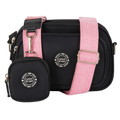




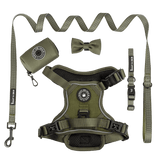


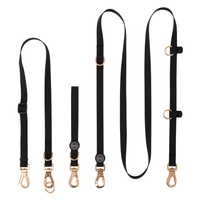


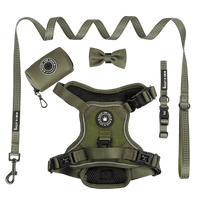

If you have ever fumbled around in your coat pocket trying to find a soggy biscuit while your dog bounds away in the opposite direction, you already know why treat pouches exist. Whether you are deep into recall training with a new puppy or simply rewarding good behaviour on your daily walk, having quick, one-handed access to treats changes the game entirely. A good dog treat pouch keeps rewards fresh, accessible and contained, so you can focus on your dog rather than wrestling with zip-lock bags and crumb-filled pockets.
In this guide, we cover everything you need to know about dog treat pouches in the UK. We will walk you through the different types available, what features actually matter, and how to use a treat pouch effectively for training. We will also compare standalone pouches with full dog walking bags, so you can decide which option suits your lifestyle best.
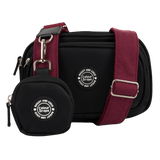
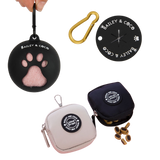
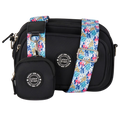
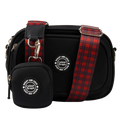
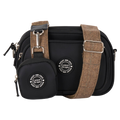
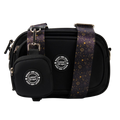
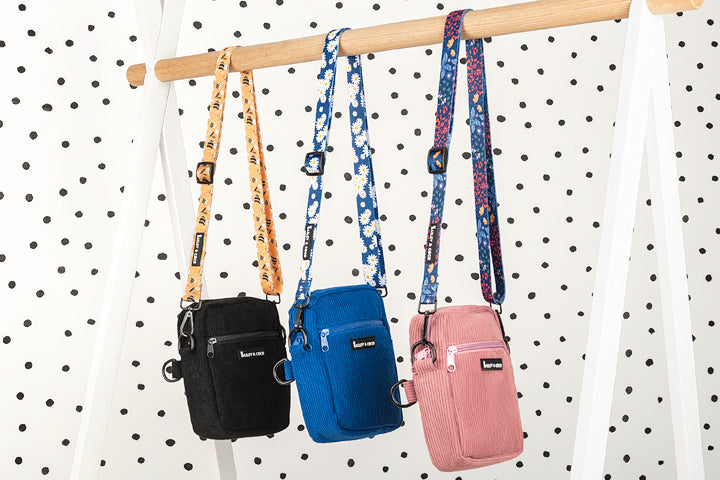
At Bailey and Coco, we design dog walking accessories that are as stylish as they are practical. Our treat pouches and walking bags feature magnetic closures, wipeable linings and thoughtful compartments, because your walks should feel effortless, not like a juggling act. Let us help you find the right setup.
Why Every Dog Owner Needs a Treat Pouch
Reward-based training is the gold standard in modern dog training, and for good reason. It builds trust, strengthens your bond and teaches your dog that listening to you pays off. But here is the thing: timing matters enormously. A reward delivered within one to two seconds of the desired behaviour is far more effective than one given five seconds later. That is where a treat pouch becomes genuinely indispensable.
Training Made Easier with Instant Reward Access
When your dog nails a perfect recall or walks beautifully beside you on a loose lead, you need to mark and reward that moment immediately. A treat pouch worn on your hip or clipped to your waistband puts treats exactly where your hand naturally falls. There is no digging through pockets, no unzipping bags, and no fumbling. You simply reach in, grab a treat and reward your dog before the moment passes. This speed and consistency is what turns training from a chore into something genuinely effective.
Keeps Treats Fresh and Contained
Nobody enjoys pulling a handful of lint-covered, crumbled treats from their jacket pocket. A dedicated treat pouch keeps everything contained and fresh. Many pouches feature wipeable or waterproof linings that prevent oils and crumbs from seeping through, which means your favourite walking jacket stays clean and your treats stay appetising. This is especially important if you use high-value rewards like cheese, liver or soft training treats that can leave residue everywhere.
Hands-Free Convenience on Walks
When you are managing a lead in one hand and a dog poop bag holder in the other, the last thing you need is another item to carry. A treat pouch clips to your belt, threads onto your waistband or sits in a dedicated compartment within your walking bag. Your hands stay free for the things that matter, like holding the lead, throwing a ball or giving your dog a well-earned scratch behind the ears.
A treat pouch is especially valuable for professional dog walkers managing multiple dogs at once. Our guide on how many dogs a dog walker can walk covers the equipment and techniques that make group walks safer.
No More Fishing in Coat Pockets
We have all been there. You reach into your coat pocket and pull out a handful of crumbs, a few bits of tissue and one questionable treat that has seen better days. A proper treat pouch eliminates this entirely. It gives your rewards a dedicated home, separate from your phone, keys and everything else you carry. And when the walk is done, you simply empty it, wipe it down and it is ready for next time. Your pockets will thank you.
Types of Dog Treat Pouches
Not all treat pouches are created equal. The best choice for you depends on how you walk, how you train and what you typically carry. Here is a breakdown of the main types you will find in the UK market.
Clip-On Treat Pouches
Clip-on pouches attach to your belt, waistband or the strap of your walking bag using a carabiner or spring clip. They are lightweight, portable and easy to transfer between different outfits. This style is ideal for dedicated training sessions where you want minimal bulk and maximum speed. Most clip-on pouches hold enough treats for a solid 30 to 60 minute session, and they are compact enough to toss in your bag when you do not need them.
Drawstring Pouches
The traditional drawstring pouch is the simplest design on the market. You pull the cord to open, grab a treat and let the cord cinch the pouch shut again. They are affordable, reliable and extremely easy to use. However, they can be slower to access than other closure types, particularly with one hand. If you are doing intensive training where every second counts, a drawstring may feel a touch cumbersome. For casual walks and general reward-giving, though, they work perfectly well.
Magnetic Closure Pouches
Magnetic closure pouches are the premium option for one-handed access. The opening stays shut thanks to built-in magnets, but a simple squeeze or push of your hand opens it instantly. When you release, the magnets snap the pouch closed again. This design keeps treats secure (even if you bend over or run), while still giving you lightning-fast access. It is the preferred style for serious trainers and anyone who values convenience. Our Bailey and Coco treat pouches and walking bags feature this magnetic snap closure for exactly this reason.
Built-In Treat Compartments
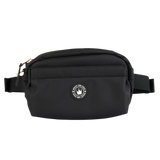
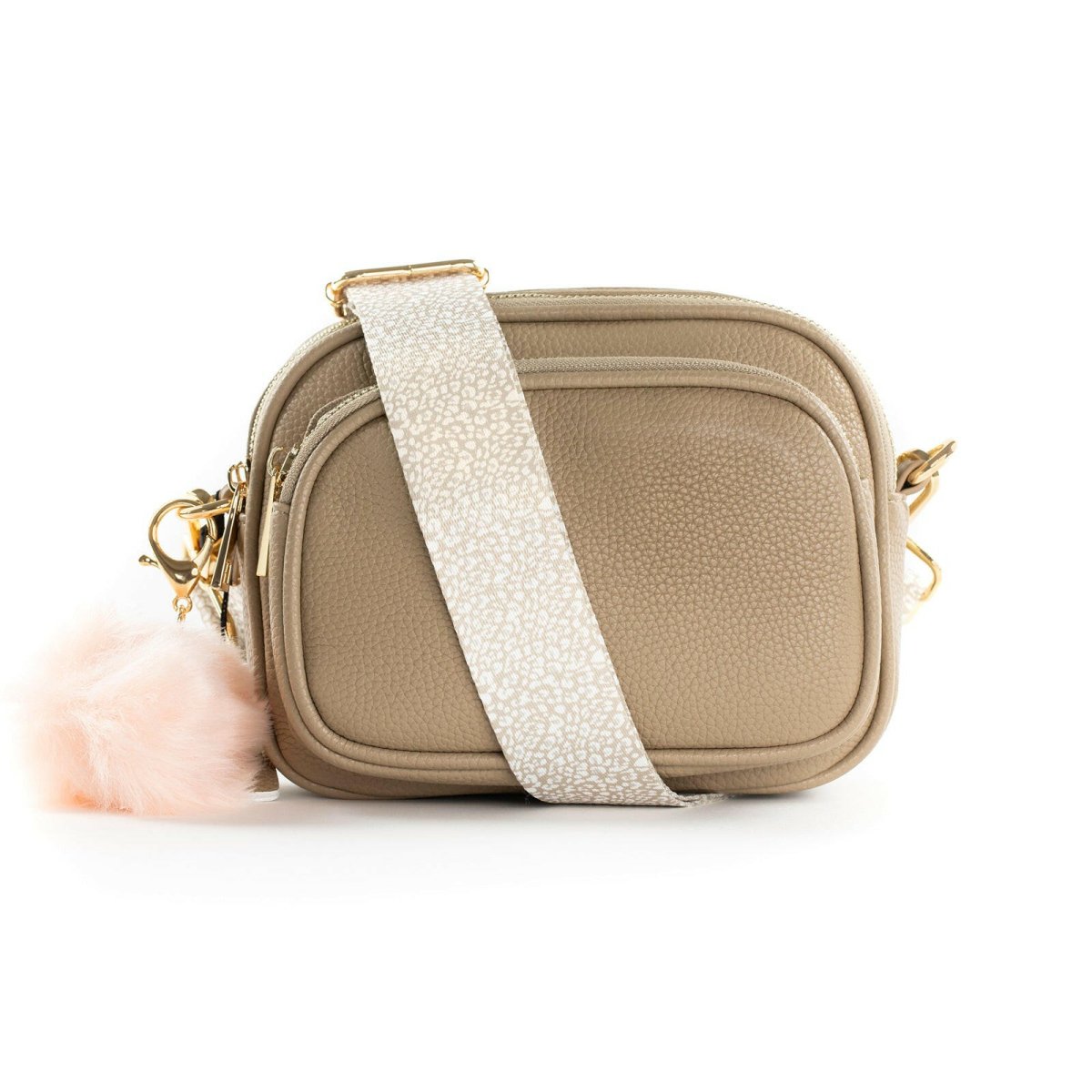
Many modern dog walking bags and bum bags now come with dedicated treat compartments built right in. These are perfect if you prefer an all-in-one solution that holds your treats, phone, keys, poop bags and everything else in a single accessory. If you have been comparing bum bags vs cross body bags, you will find that both styles increasingly include purpose-built treat pockets with wipeable linings. This approach reduces the number of separate items you need to carry and keeps your setup streamlined.
Comparison of Treat Pouch Types
| Type | Closure | Capacity | Best For |
|---|---|---|---|
| Clip-On Pouch | Varies (magnetic, drawstring or zip) | Small to medium | Training sessions, minimal carry |
| Drawstring Pouch | Drawstring cord | Small to medium | Casual walks, budget-friendly option |
| Magnetic Closure | Magnetic snap | Medium | Serious training, one-handed access |
| Built-In Compartment | Magnetic or zip (within larger bag) | Medium to large | All-in-one daily walks, multi-dog owners |
What to Look for in a Dog Treat Pouch
With so many options on the market, it helps to know which features genuinely matter and which are just marketing fluff. Here is what to prioritise when choosing a treat pouch.
Closure Type
The closure is arguably the single most important feature of any treat pouch. You need something that stays shut when you do not need it and opens instantly when you do. Magnetic closures offer the best balance of security and speed. Drawstrings work well but require two hands to open properly. Zip closures are the most secure but the slowest to access, making them better for storage than active training. If you plan to use your pouch during training sessions, prioritise magnetic or spring-loaded closures that allow true one-handed operation.
Size and Capacity
Think about how long your typical walk or training session lasts and how many treats you go through. A small pouch holding a handful of treats is fine for a quick 15-minute training burst in the garden. For a full hour-long walk where you are reinforcing good behaviour throughout, you will want something that holds a generous portion without feeling bulky. As a general rule, a pouch that holds around 200 to 300 grams of treats is a solid middle ground for most owners.
Material and Lining
The material matters more than most people realise. The exterior should be durable and ideally water-resistant, because British weather is not going to check your schedule before raining. The interior lining is equally important. Look for wipeable, waterproof or silicone-lined pouches that prevent treat oils and moisture from soaking into the fabric. This keeps the pouch hygienic and stops it developing that distinctive "old treat" smell that no one enjoys. Vegan leather and coated canvas are popular choices that balance style with practicality.
Attachment Options
How the pouch attaches to you matters for comfort and accessibility. The most versatile pouches offer multiple attachment options: a clip for your waistband, a belt loop, a D-ring for attaching to a bag strap, or even a short belt of their own. Consider how you dress for walks and what you typically carry. If you wear leggings or joggers without a sturdy waistband, a pouch that clips to a crossbody bag strap might work better than one that needs a belt loop. The best treat pouches give you options rather than locking you into a single wearing style.
Easy to Clean
This one is non-negotiable. Your treat pouch is going to get messy. Crumbs accumulate, oils transfer, and the occasional wet treat leaves its mark. Choose a pouch that you can turn inside out and wipe clean, or better yet, one with a removable liner you can wash. Avoid pouches with complex internal stitching or fabric linings that trap crumbs in hard-to-reach seams. A pouch that takes 30 seconds to clean after each walk is one you will actually keep clean. One that requires a 10-minute scrubbing session will inevitably be neglected.
How to Use a Treat Pouch for Dog Training
Owning a treat pouch is one thing. Using it effectively is another. Here is how to get the most out of your pouch across different training scenarios. Pair your pouch with the right lead from our dog leads collection and you will have a training setup that genuinely works.
Recall Training
Recall is one of the most important commands your dog will ever learn, and it is also one of the hardest to train reliably. The key is making coming back to you more rewarding than whatever your dog is currently interested in. With a treat pouch on your hip, you can reward the instant your dog arrives, not five seconds later when you have finally located a treat. Start in low-distraction environments and work up gradually. Use high-value treats like small pieces of cheese or cooked chicken for recall, and deliver them the moment your dog reaches you. The speed of reward is everything, and a well-positioned treat pouch makes that speed possible.
Loose Lead Walking
Teaching your dog to walk nicely on a loose lead takes patience, consistency and a lot of treats. The principle is straightforward: reward your dog every few steps when the lead is slack, and stop or change direction when they pull. A treat pouch lets you deliver frequent rewards without breaking your stride. Position the pouch on the same side as your dog so you can reach in and reward without crossing your body. Over time, you will gradually reduce the frequency of treats as your dog learns that walking beside you is the default. For the right lead to pair with your training, check out our guide to the best dog leads UK.
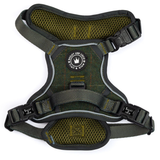
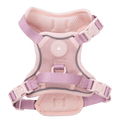
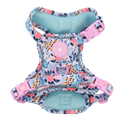
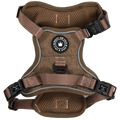
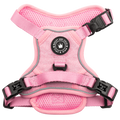
If your dog pulls during training, pairing your lead with a front-clip dog harness makes treat-based loose-lead training far more effective.
Puppy Socialisation
The socialisation window for puppies is short, typically closing around 14 to 16 weeks. During this critical period, you want to pair new experiences with positive associations, and treats are the fastest way to do that. Whether your puppy is encountering a bicycle for the first time, meeting a new person, or hearing traffic, a quick treat from your pouch helps them form positive connections. Having your pouch loaded and ready means you never miss an opportunity to reinforce calm, confident behaviour in new situations. If you are navigating the early weeks with a new puppy, our puppy leads guide is a useful companion to this advice.
Trick Training
Teaching tricks is brilliant mental enrichment for your dog and genuinely fun for both of you. Whether you are working on shake, spin, roll over or something more advanced, trick training relies on rapid, repeated reward delivery. A treat pouch lets you run through multiple repetitions without interruption. You can keep sessions short and snappy, which is exactly how dogs learn best. Five minutes of focused trick training with treats flowing freely from your pouch is worth more than 30 minutes of disorganised practice where half the time is spent looking for rewards.
Tips on Treat Selection and Timing
The treats you put in your pouch matter as much as the pouch itself. Use small, soft treats that your dog can eat quickly. You do not want your dog spending 30 seconds chewing a biscuit when you need them focused and ready for the next repetition. Soft training treats, small cubes of cheese, or tiny pieces of cooked chicken are all excellent choices. Keep a mix of everyday treats and high-value rewards so you can match the reward to the difficulty of what you are asking. And always remember: the treat should arrive within one to two seconds of the desired behaviour. If it takes longer than that, the connection between the action and the reward weakens significantly.
The Bailey and Coco Treat Pouch
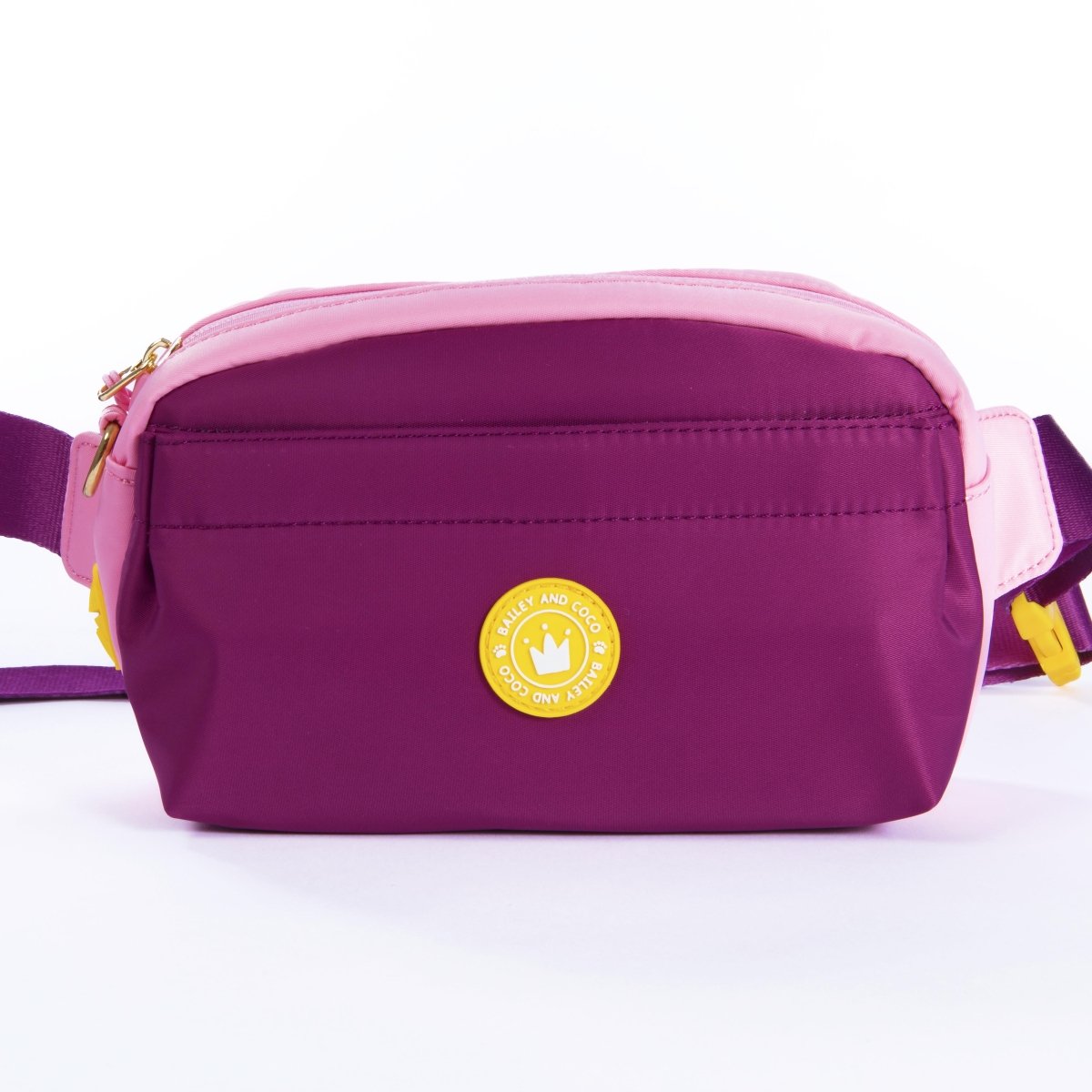
We designed our treat pouches and walking bags with real dog owners in mind, not as an afterthought, but as the centrepiece of a well-organised walk. Every detail has been considered, from the closure to the lining to the way it sits on your body.
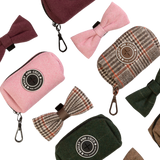
Our treat pouches feature a magnetic snap closure for genuine one-handed access. You can open the pouch, grab a treat and have it in your dog's mouth in under a second. The interior is fully wipeable, so cleaning up after a messy session takes moments, not minutes. The exterior is crafted from premium vegan leather that looks beautiful and handles British weather without complaint.
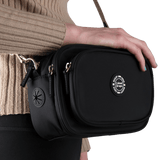
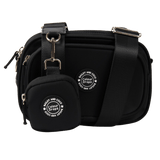
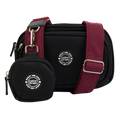
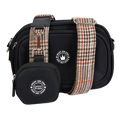
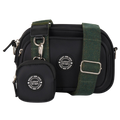
What sets our system apart is versatility. Our treat pouches work brilliantly as standalone accessories, clipping to your waistband or belt for dedicated training sessions. But they also integrate seamlessly with our crossbody walking bags and bum bags, slotting into purpose-built compartments so everything you need is in one place. This means you can start with a treat pouch and add a walking bag later, or invest in the full set from the beginning.
Our walking bag collection includes matching accessories, so your treat pouch, bag and strap can coordinate perfectly. Because looking good on your walk should not require any extra effort. Explore the range to find the combination that works for you and your dog.
Treat Pouch vs Dog Walking Bag: Which Do You Need?
This is one of the most common questions we hear, and the honest answer is that it depends on how you walk. Both options have their strengths, and understanding the difference will help you make the right choice.
When a Standalone Pouch Is Enough
If your walks are relatively short, you do not carry much beyond your phone and keys, and you primarily want quick access to treats for training, a standalone treat pouch is all you need. It is light, unobtrusive and does one job extremely well. Standalone pouches are also ideal for dedicated training sessions in the garden or at a training class, where you do not need all the extras that come with a full walking bag. They are the perfect starting point for anyone new to reward-based training.
When You Need a Full Walking Bag
If your walks involve more gear, a walking bag starts to make a lot more sense. Once you factor in poop bags, your phone, keys, a water bottle, wet wipes and perhaps a ball or toy, stuffing all of that into pockets becomes impractical. A dedicated dog walking bag gives everything a home and keeps your hands free. Our dog walking bag guide covers this in detail if you are weighing up your options. Walking bags are especially valuable for longer walks, multi-dog households and anyone who likes to be prepared for anything.
The Best of Both Worlds
Here is the option many owners settle on: a walking bag with a built-in treat compartment. This gives you all the storage of a full bag with the quick treat access of a dedicated pouch. You do not need to carry two separate accessories, and you never have to choose between convenience and capacity. Our crossbody bags and bum bags are designed precisely this way, with magnetic-close treat pockets that give you instant access without compromising the organisation of the rest of the bag. It is a single, elegant solution for owners who want everything in one place.
Frequently Asked Questions
What treats work best in a treat pouch?
Small, soft treats are ideal because your dog can eat them quickly and you can carry a large quantity without the pouch feeling overstuffed. Commercial training treats, small cubes of cheese, and tiny pieces of cooked chicken or sausage all work well. Avoid large, hard biscuits that take time to chew, as they slow down your training rhythm. If you are using particularly moist treats, look for a pouch with a waterproof or silicone lining to prevent leaking.
How do I clean a dog treat pouch?
Most quality treat pouches can be wiped clean with a damp cloth or antibacterial wipe after each use. Turn the pouch inside out to remove crumbs and give the lining a thorough wipe. For deeper cleaning, many pouches can be hand-washed with warm soapy water and left to air dry. Check the care instructions for your specific pouch, but as a rule, wipeable linings are far easier to maintain than fabric ones. A quick clean after every walk keeps your pouch hygienic and ready for the next outing.
Can I use a treat pouch for puppy training?
Absolutely, and we would strongly recommend it. Puppies learn best through frequent, well-timed rewards, and a treat pouch ensures you always have rewards to hand during those critical early weeks. Use it for everything from toilet training and basic commands to socialisation and lead walking. The convenience of a treat pouch makes it far easier to be consistent with your rewards, which is the single most important factor in successful puppy training.
What size treat pouch do I need?
For most owners, a medium-sized pouch that holds roughly 200 to 300 grams of treats is the sweet spot. This is enough for a full training session or an hour-long walk without needing a refill. If you primarily do short, focused training bursts, a smaller pouch will do. If you have multiple dogs or go on extended walks, consider a larger pouch or a walking bag with a built-in treat compartment. The key is having enough capacity that you never run out mid-session, because running out of treats mid-recall practice is not a position you want to be in.
Should I use a treat pouch or my pocket?
A treat pouch wins every time. Pockets get messy, treats crumble and mix with your personal items, and accessing treats from a zipped coat pocket is far slower than reaching into a purpose-built pouch. A dedicated pouch also signals to your dog that training mode is on. Many dogs quickly learn to associate the pouch with good things, which means they are more attentive and engaged from the moment you clip it on. Your jacket pockets will also last significantly longer without being lined with treat residue.
Do treat pouches work for all dog sizes?
Yes. The pouch itself does not need to change based on your dog's size. What might change is the size of the treats you put inside. For small dogs, you will want to break treats into tiny pieces to avoid overfeeding. For larger dogs, you can use slightly bigger pieces. The pouch functions the same way regardless of whether you are training a Chihuahua or a Great Dane. The only consideration is that owners of larger, stronger dogs may prefer a pouch with a more secure attachment, so it stays in place if their dog pulls or bumps into them during an exciting training moment.
Can I use a treat pouch for clicker training?
A treat pouch and a clicker are a perfect combination. The clicker marks the exact moment your dog performs the desired behaviour, and the treat from your pouch delivers the reward immediately afterwards. Many treat pouches include a small clip or pocket on the exterior specifically designed to hold a clicker, keeping both tools in one convenient location. This setup allows you to click and treat in a smooth, rapid sequence that makes clicker training genuinely efficient. If you are new to clicker training, starting with a magnetic closure pouch will make the whole process feel natural and seamless.


