




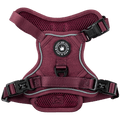
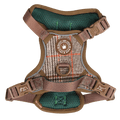
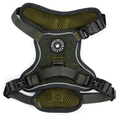
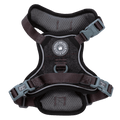








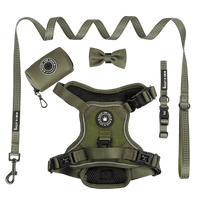

If your dog pulls on the lead, you are not failing. Pulling is one of the most common walking frustrations in the UK, and it happens for completely normal reasons: excitement, habit, strong sniffing instincts, busy streets, squirrels, other dogs, or simply because your dog has learned that pulling gets them where they want to go.
When you are searching for the best dog collar for dogs that pull, what you usually want is this: a walking setup that feels comfortable for your dog, easier for you, and safe and consistent while you build better lead manners.
This guide will help you choose wisely, without overwhelm. We will cover what a collar can do well (everyday wear, ID tags, quick lead moments), where collars struggle (constant pulling pressure), and when a dog harness is the better option for training and comfort.
What is the best dog collar for a dog that pulls?
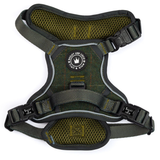
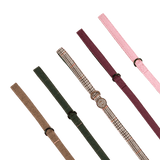
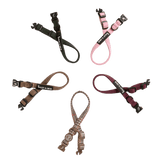
Quick answer: for most dogs that pull, the best “collar plan” is a comfortable everyday collar for ID, paired with a well-fitting harness for lead walking while training. Collars are brilliant for tags and routine. Harnesses usually feel better for walking if your dog pulls.
That might sound like a cop-out, but it is actually the simplest way to make walks calmer. You keep a collar because it is useful and practical. Then you use a harness as your main walking tool, especially during the pulling phase.
Is it better to walk a dog with a collar or a harness?
Quick answer: if your dog walks nicely on a loose lead, a collar can be fine for lead attachment. If your dog pulls, a harness is often more comfortable because it spreads pressure more evenly. Many owners use a collar for tags and a harness for walking.
If your dog is a strong puller (Labrador, Golden Retriever, Staffy, German Shepherd, Boxer), the difference can feel immediate. A harness gives you more control without relying on pressure at the neck.
If you want to compare both properly, you can read: Dog Harnesses vs Collars (UK) .
Why does my dog pull on the lead?
Quick answer: most dogs pull because it works. Pulling gets them to the smell, the tree, the friend, the park gate, the beach path, the place they want to be. Dogs also pull when they are excited, under-exercised, anxious, overstimulated, or simply still learning.
Common pulling triggers include:
- Excitement at the start of walks: the door opens and they are ready to go.
- High-distraction areas: other dogs, kids, bikes, busy pavements.
- Strong sniffing instincts: especially scent-driven breeds and young dogs.
- Adolescent phase: teenage dogs can feel like they have forgotten everything.
- Inconsistent lead handling: if pulling sometimes gets rewarded, it sticks.
Coming up: in Part 2 we will answer the big question people ask next, which is “What collar stops pulling?” and we will break down what is worth using, what to avoid, and what actually helps you train a dog to walk more calmly.
What collar stops pulling?
Quick answer: no collar can magically “stop” pulling on its own. What helps most is a comfortable setup that allows you to train consistently. For many dogs, that means a collar for ID plus a harness for lead walking until loose lead walking is solid.
When people search “best collar for pulling”, they are usually hoping for something that makes walks easier immediately. The best way to get that result is to choose a setup that reduces discomfort and frustration for both of you.
Are no-pull collars a good idea?
There are many “no-pull” products on the market. Some rely on pressure around the neck. Others rely on different points of control. The key is to choose options that keep your dog comfortable and calm while you train, not options that make walks feel sharp or stressful.
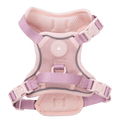
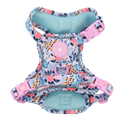
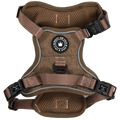
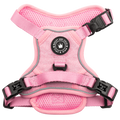
If your dog is pulling hard, many owners find the most comfortable approach is to switch the lead attachment to a harness during training. You can keep the collar on for tags and everyday wear, but use the harness as your walking tool.
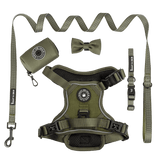
You can browse harnesses here: shop dog harnesses .
What is the best collar for a strong dog?
Quick answer: the best collar for a strong dog is one that fits properly, sits stable on the neck, and is comfortable for daily wear and ID. For strong dogs who pull, it is often more comfortable to use a harness for lead walking while training and keep the collar for tags.
Strong dogs tend to highlight small fit issues quickly. If the collar rotates, it can rub. If it is slightly tight, it can feel uncomfortable. If it is loose, it can slip and spin. A stable fit matters.
If you want a quick fit refresher, this guide helps: How Tight Should a Dog Collar Be? (UK) .
Collar vs harness for pulling: the practical setup that works for most owners
If your dog pulls, here is the setup that feels easiest for most households:
- Collar stays on for ID: tags live here, and it is your everyday “ready for life” piece.
- Harness is used for walking: especially for training, busy areas, and high-excitement moments.
- One simple training rule: pulling does not move you forward, loose lead does.
This setup is especially helpful for:
- Puppies and adolescents: Cockapoos, Cavapoos, Spaniels, retriever pups.
- Strong adults: Labradors, Goldens, Staffies, German Shepherds.
- Dogs who lunge at distractions: reactive moments are easier to handle with better control.
Next: Part 3 is where we make pulling easier in real life. You will get a simple training plan, the most common mistakes that keep pulling going, and breed-specific tips that make walks smoother.
How do I train my dog to stop pulling on the lead?
Quick answer: you train pulling out by rewarding the behaviour you want (loose lead) and removing the reward for the behaviour you do not want (pulling forward). Consistency matters more than fancy techniques.
Here is a simple plan that many UK owners find realistic:
1) Start with the “calm start” routine
Many dogs pull most at the beginning of walks. Build a calm start:
- Clip up calmly.
- Wait for a moment of stillness.
- Step out when the lead is relaxed.
2) Use the “stop and reset” rule
When your dog hits the end of the lead and pulls, stop. Do not yank. Do not lecture. Just stop and wait for a tiny softening (a glance back, a step towards you, a slack lead). Then move again.
This can feel slow at first, but it teaches the most important lesson: pulling does not work.
3) Reward the lead you want
Loose lead is a skill. Reward it. Praise, a small treat, or a quick “yes” the moment the lead relaxes teaches your dog exactly what earns forward movement.
4) Lower the difficulty when you need to
If your dog pulls hardest near other dogs, busy roads, or exciting parks, practise first in quieter places. A calmer environment gives you more success, which speeds up training.
What if my dog pulls because they are excited?
Excitement pulling is very common, especially for friendly dogs who love people and dogs, and for young dogs who have not learned self-control yet. The calmer you make the first five minutes of the walk, the easier the rest tends to be.
Try these quick adjustments:
- Do a short sniff break early: sniffing can help dogs settle.
- Change direction once or twice: gentle “follow me” practice without turning it into a battle.
- Use your walking tool wisely: a harness can make the learning phase more comfortable.
Breeds and pulling: quick tips that make walks easier
- Labrador and Golden Retriever: excitement and friendliness often drive pulling. Reward calm walking early and often.
- Staffy and strong terriers: strength is the challenge. Prioritise comfort and consistent rules.
- German Shepherd and working breeds: mental stimulation helps. Short training games on walks can reduce frustration pulling.
- Spaniels: scent and movement are big triggers. Build loose lead skills in low-distraction areas first.
- Cockapoo and Cavapoo: can be bouncy and enthusiastic. Calm starts and predictable routines work well.
- Dachshund: determination is real. Keep sessions short and consistent, and avoid letting pulling become a habit.
Collar fit still matters when you use a harness
Even if you walk on a harness, a collar still needs to fit comfortably. A stable fit helps reduce rubbing and keeps tags in the right place. If you want help with measuring and sizing, read: Dog Collar Size Guide UK 2026 .
Next: Part 4 answers the big safety questions people ask, covers common mistakes that keep pulling going, and gives you a simple “walking setup checklist” you can use every time you clip up.
Is it safe to walk a dog that pulls on a collar?
Quick answer: a collar can be fine for calm walking and everyday wear, but if your dog pulls hard, many owners prefer to use a harness for lead walking because it can feel more comfortable. A collar is still useful for ID tags and quick moments, but comfort should always come first.
Should I keep a collar on as well as a harness?
Quick answer: many owners do. A collar is an easy place for ID tags, and a harness can be your walking tool while training. If you use both, make sure the collar fits well and sits stable so it stays comfortable.
Common mistakes that make pulling worse
- Letting pulling work sometimes: if your dog occasionally reaches the smell by pulling, the habit sticks.
- Starting walks at peak excitement: a calm start makes a big difference.
- Only practising in hard places: start in calmer areas, then build difficulty.
- Forgetting to reward the good moments: loose lead is a behaviour worth noticing.
The simple “better walks” checklist
- Collar for ID: comfortable fit and stable placement.
- Harness for walking: especially if your dog pulls right now.
- One rule: pulling stops movement, loose lead earns movement.
- One reward: praise or treat for relaxed lead moments.
- One reset: if it gets hard, move to a calmer spot and practise there.


