


A dog collar should feel like a helpful everyday essential, not a worry. It holds your ID tag, it makes clipping up quick, and it is usually the one piece of dog “kit” that is on most often. But if you have ever wondered whether your dog’s collar is truly safe and comfortable, you are not overthinking. Small changes in fit, placement, and routine can make a big difference to how your dog feels.
This guide is a calm, practical walkthrough for UK dog owners in 2026. We will cover the comfort basics, the simple checks that prevent rubbing and slipping, and the everyday habits that keep collars clean and easy to live with. You will also find quick answers to the questions people ask most, so you can make confident choices without going down a rabbit hole.
What makes a dog collar safe?
Quick answer: a safe dog collar is one that fits properly, sits comfortably, stays secure, and does not cause rubbing. It should feel stable on the neck without being tight, and it should make everyday life simpler, not more stressful.
Think of collar safety as four simple pillars:
- Fit: snug and stable, without squeezing.
- Comfort: sits flat, does not twist constantly, feels nice against fur.
- Security: reliable fastening and a D-ring that feels secure for tags and short lead moments.
- Routine: regular checks, cleaning when needed, and sensible collar breaks when it suits your dog.
How tight should a dog collar be for safety?
Quick answer: the collar should pass the two-finger rule. You should be able to slide two fingers comfortably between the collar and your dog’s neck. If it is tighter than that, it may rub or feel uncomfortable. If it is looser, it may rotate and slip.
If you want the full fit walkthrough, this guide is helpful: How Tight Should a Dog Collar Be? (UK) .
Where should a dog collar sit on the neck?
Quick answer: a collar should sit neatly on the neck without dropping down onto the shoulders. A collar that sits too low tends to move more as the dog walks, which can lead to twisting and rubbing.
A quick check: if your dog’s tags and D-ring constantly drift under the chin, the collar is probably rotating and needs a small fit adjustment.

Should my dog wear a collar all the time?
Quick answer: many dogs wear collars daily, especially when out and about for ID tags. At home, it depends on comfort and routine. Some owners keep collars on most of the day, while others take them off for naps or long chill time. If your dog is prone to rubbing, short indoor breaks can help.
Most importantly, make the “going out” routine consistent. Collar on, tags on, ready for the world. That way you always have the ID side covered when it matters most.
Next: Part 2 covers the most common collar safety worries, including slipping, rubbing, tag noise, and how to measure correctly so the collar stays comfortable long term.
How do I know if my dog’s collar is too loose?
Quick answer: a collar is often too loose if it rotates constantly, slips down the neck, or you can fit more than two fingers easily with lots of space. Loose collars tend to rub more because they move more.
Common signs:
- D-ring ends up under the chin again and again.
- Tags swing and jingle constantly and your dog fusses.
- Collar drifts down towards the shoulders on walks.
- The collar feels “wobbly” when you hold it.
How do I know if my dog’s collar is too tight?
Quick answer: if you cannot fit two fingers comfortably underneath, or you see marks, flattened fur, or increased scratching, the collar may be too tight.
Common signs:
- You can barely fit one finger in.
- Flattened fur line that appears quickly after wear.
- Redness or irritation around the collar area.
- Scratching or pawing at the collar beyond the “new collar” phase.
How do I measure my dog for a collar?
Quick answer: measure around the neck where the collar will sit using a soft tape, choose a size range that includes your dog’s measurement with room to adjust, then confirm fit with the two-finger rule.
If you want a step-by-step sizing guide, read: Dog Collar Size Guide UK 2026 .
Why does my dog’s collar keep rotating?
Quick answer: rotation usually means the collar is a touch too loose or unevenly adjusted. A small fit tweak so it sits stable can dramatically reduce rubbing and fussing.
Try this quick fix:
- Adjust one step tighter (still passing the two-finger rule).
- Make sure the collar sits evenly and flat.
- Keep tags tidy so they are not pulling the collar around.
Dog collar rubbing fur: how do I prevent it?
Quick answer: prevent rubbing by reducing movement and keeping the collar clean and dry. Collars that spin are more likely to rub. Damp collars are also more likely to rub, especially after rainy UK walks.
If rubbing is already happening, this guide helps: Dog Collar Rubbing Fur (UK) .

What about ID tags and safety?
For most owners, tags are the biggest practical reason a collar stays part of daily life. The simplest approach is to keep the collar comfortable, make sure tags sit neatly, and do a quick check before you head out the door.
Next: Part 3 covers collar comfort by breed and lifestyle, including puppies, small dogs, wet-weather routines, and the collar vs harness question for everyday walking.
Collar safety for puppies
Puppies grow fast, so collar safety is mostly about fit checks and comfort. Check the collar weekly, and always after a growth spurt or grooming. Puppies also explore with their mouths, so tidy tags and a stable fit help reduce chewing and fussing.
If you want the puppy-specific guide, read: Best Puppy Collar UK .
Collar safety for small dogs
Small dogs often get more collar rotation if the fit is loose, which can cause rubbing under the chin or on one side of the neck. Aim for a neat fit that still passes the two-finger rule. Lightweight comfort matters too, especially for toy breeds.
Small-breed guide: Small Dog Collars UK .
Collar safety for long-haired dogs
Long-haired dogs can show collar marks quickly, especially around the neck where fur can matt. Rotation is the biggest issue. Keep the fit stable, keep the collar clean, and consider popping the collar off for naps if your dog is prone to tangles.
Collar safety for wet-weather walks
Wet weather adds two challenges: damp and grit. Damp can make collars smell quickly, and grit can increase friction. After rainy walks, a quick towel press around the collar area and a wipe down of the collar itself can keep things comfortable.
If your collar needs a refresh, this guide helps: How to Clean a Dog Collar UK .
Collar vs harness for everyday walking
Quick answer: collars are brilliant for ID tags and quick moments. Harnesses often feel more comfortable for lead walking if your dog pulls, lunges, or gets very excited on walks. Many owners use a collar for tags and a harness for walking.
If you want the full comparison, read: Dog Harnesses vs Collars (UK) .
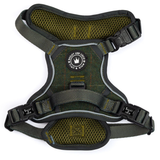
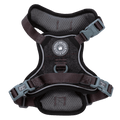
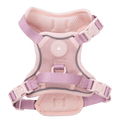
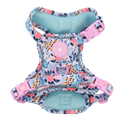
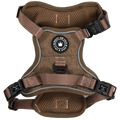
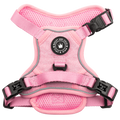
If your dog is a puller and you want to explore harness options, you can here: shop dog harnesses .

Comfort checklist before you head out the door
- Fit: two-finger rule.
- Position: sits neatly on the neck.
- Stability: not spinning constantly.
- Tags: tidy and secure.
- Quick look: no rubbing or irritation.
Next: Part 4 gives you a simple daily routine, answers the most common safety questions, and includes a “choose in one minute” section for busy days.
Daily dog collar safety routine (takes one minute)
If you want a simple routine that keeps collars comfy and safe, this is it:
- Two-finger check before longer walks.
- Quick look under the collar every few days for rubbing or irritation.
- Towel press after rain so damp does not sit against the neck.
- Clean when needed so grit and smells do not build up.
- Replace when worn or if fit no longer adjusts well.
How often should I check my dog’s collar fit?
Quick answer: check weekly for puppies and young dogs, and monthly for most adult dogs. Re-check after grooming, coat changes, weight changes, or if you notice scratching or collar rotation.
Can a dog collar cause hair loss?
Quick answer: repeated friction in the same spot can lead to hair thinning, especially if the collar spins or stays damp. Improving fit, keeping the collar clean and dry, and reducing friction usually helps.
Why does my dog keep scratching at their collar?
Some scratching is normal with a new collar, but ongoing scratching usually means the collar is either too tight, rotating, or damp and irritating. Start with fit, then check for rotation, then clean and dry the collar.
What if my dog hates wearing a collar?
Start gently. Short “collar sessions” at home with treats, then build up. Make the collar part of the calm routine before walks so your dog associates it with good things. Also check weight and feel. A collar that feels bulky can bother sensitive dogs, especially small breeds.
Choosing a safe, comfortable collar in one minute
- Choose an adjustable collar that sits flat and feels comfortable.
- Measure and check the two-finger rule.
- Make sure it sits neatly and does not spin constantly.
- Keep it clean and dry after wet walks.
- Use a harness for walking if your dog pulls.


